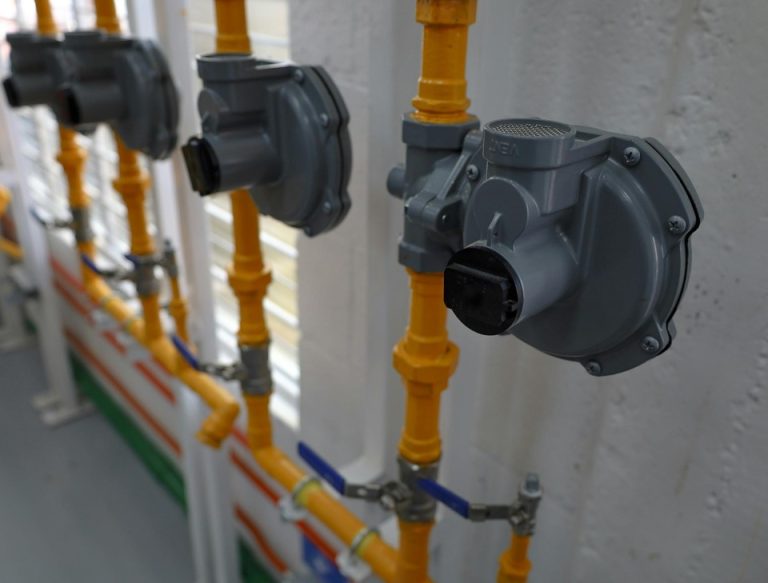

Most people assume a gas leak is a sudden, explosive event that announces itself with a sharp sulfur scent. We react to that smell instantly by opening windows and exiting the building as fast as possible. This immediate reaction is vital for preventing fires, but it ignores a much quieter and persistent danger.
Small leaks can persist for months without reaching the threshold that triggers a physical alarm or a noticeable odor. These slow releases seep into the fabric of a home, quietly accumulating in crawl spaces where they are shielded from drafts. The subtlety of these events makes gas leaks hazardous for all unsuspecting residents.
While the threat of a fire eventually passes once the leak is capped, the biological impact does not vanish. Victims often deal with health complications that arise weeks after the initial repair is completed. It is essential to address the long-term gas exposure effects to ensure a home is truly safe again.
Delayed Health Symptoms
Respiratory issues are often the first sign that something is wrong, yet they are frequently mistaken for seasonal allergies or a common cold. A persistent cough or a feeling of chest tightness can develop slowly as the body reacts to foreign chemicals. These symptoms often worsen at night when a house is closed.
Neurological changes are even more insidious and can manifest as frequent headaches, dizziness, or a sudden lack of mental clarity. People might find themselves becoming unusually irritable or struggling to complete basic tasks that were once easy. Because these shifts happen gradually, families rarely connect them to a past gas issue in their home.
Chronic fatigue is another common complaint that lingers long after the pipes have been sealed and the air feels clear. The body works overtime to process the toxins, leaving residents feeling drained regardless of how much sleep they get. These health burdens can last for years if the underlying environmental issues remain.
Structural and Property Damage
Natural gas is not just a breathing hazard; it is a corrosive substance that can slowly degrade the materials inside a building. Over time, the chemical composition of the gas reacts with certain types of insulation and drywall, causing them to become brittle. This invisible decay weakens the bones of a structure.
Electrical systems are also at risk because the additives in the gas can cause copper wiring to oxidize faster than normal. This leads to poor connections and a higher risk of short circuits or even small electrical fires in the future. Many homeowners find themselves dealing with mysterious power flickers long after repairs.
Wood rot and mold growth are often accelerated in areas where gas has displaced oxygen for an extended period. The change in the internal environment allows certain fungi to thrive in damp, dark corners that would otherwise stay dry. Repairing the pipe is only the start of a much larger renovation process.
Environmental Residue Risks
Even after a room has been aired out, chemical residues can cling to soft surfaces like carpets, curtains, and upholstered furniture. These materials act like sponges, trapping heavy particles and releasing them slowly back into the living space over time. This secondary outgassing means the exposure continues even when the source is gone.
Soil contamination is a major concern if the leak originated from an underground line outside the foundation of the house. The gas can kill off beneficial bacteria and insects, leaving the ground around the home sterile and prone to erosion. This disruption of the local ecosystem can eventually lead to foundation settling issues.
Groundwater can also be affected if the leak was large enough to penetrate the deeper layers of the earth near the property. This creates a persistent risk for families who rely on well water for drinking or irrigation purposes. Testing the surrounding environment is a necessary step that many people overlook.
Why Leaks Are Underestimated
The human nose is remarkably good at detecting the mercaptan additive, but it can become desensitized through a process called olfactory fatigue. If the gas level rises very slowly, a person might never notice the smell because their brain has adjusted to the new baseline. This psychological trick allows danger to become normal.
Most public safety campaigns focus exclusively on the explosive potential of a leak, which creates a false sense of security. If there is no fire, people assume there is no lasting damage to their health or property. This narrow focus ignores the thousands of people who suffer from low level leaks.
Landlords and utility companies often downplay the significance of small leaks to avoid the high costs of comprehensive remediation and testing. They might fix a visible crack and declare the building safe without checking for deeper contamination. This lack of transparency leaves residents to deal with the fallout alone for years.
Conclusion
A gas leak is a complex event that leaves a lasting footprint on both the human body and the physical environment. The initial panic of the smell is only the first chapter in a story that can span many years of recovery. Ignoring the quiet signs of lingering contamination is a massive gamble.
True safety requires a holistic approach that looks beyond the immediate threat of fire or explosion in the kitchen. It involves testing the air, the soil, and the structural components of the building to ensure everything is truly clean. Being proactive is the only way to prevent the slow erosion of health.
Awareness of the persistent dangers is the best tool for protecting your loved ones from hidden environmental hazards at home. While the pipes may be fixed, the journey to a healthy living space continues until every residue is gone. Vigilance is the price of a safe and secure home today.