Uneven heating is a common concern in multi-story homes, especially during colder months when indoor comfort becomes a daily priority. One floor may feel warm and comfortable while another stays chilly for hours. This issue sometimes develops from airflow restrictions, insulation gaps, or heating system imbalances that affect how warm air moves through the house.
A properly maintained heating system plays a major role in creating consistent indoor temperatures from floor to floor. Any trusted heating and cooling company will let you know that uneven heating is tied to overlooked structural or mechanical issues inside the home. Identifying the exact cause early helps prevent strain on the system and improves indoor comfort throughout the season.
Poor Insulation And Air Leaks
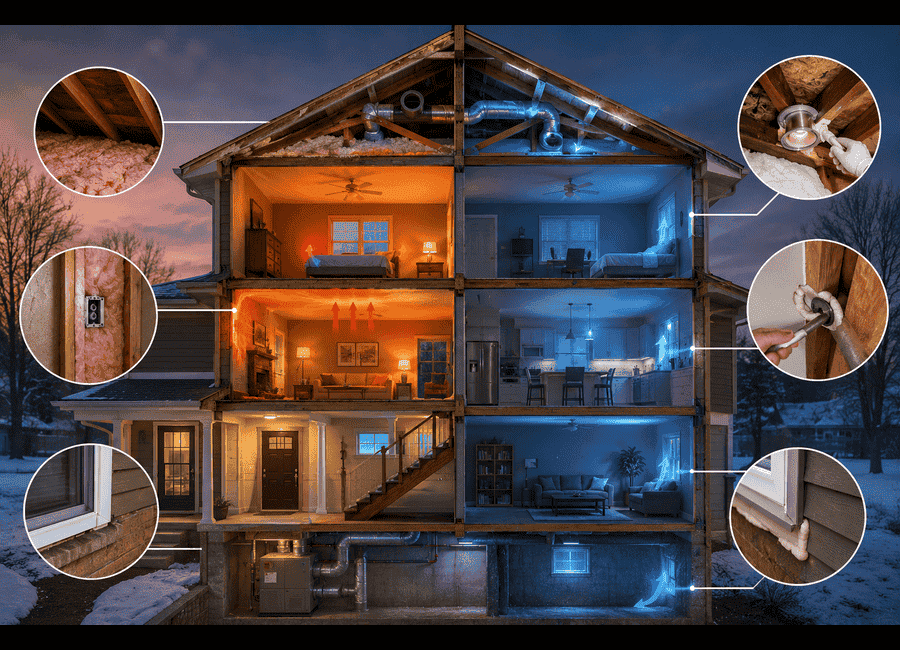
Insulation has a direct impact on indoor temperature consistency. When attic insulation is thin or damaged, heat escapes quickly through the roof. Exterior wall gaps and poorly sealed windows also allow cold outdoor air to enter the home.
Small leaks around doors, vents, and crawl spaces may seem minor, yet they reduce heating efficiency significantly over time. Rooms exposed to drafts sometimes remain colder than other parts of the house because warm air cannot stay contained long enough to maintain stable temperatures.
Common Areas Where Heat Loss Happens
- Attic access doors
- Window frames and sliding doors
- Basement rim joists
- Recessed lighting fixtures
- Gaps around duct connections
Improperly Sized Ductwork
Ductwork carries heated air throughout the home, and incorrect sizing sometimes leads to uneven temperatures between floors. Narrow ducts may restrict airflow to distant rooms, while oversized ducts can reduce air pressure needed for proper circulation. Older multi-story homes frequently contain aging duct systems with disconnected sections or hidden leaks.
Heated air escapes before reaching intended rooms, causing cold spots that become more noticeable during freezing weather. A trusted heating and cooling company can inspect duct performance and identify airflow problems that interfere with temperature balance across multiple floors. Accurate airflow testing helps reveal areas where heated air distribution has weakened over time.
Thermostat Placement Problems
Thermostat location affects how efficiently the heating system responds to indoor temperatures. A thermostat installed near sunny windows, kitchens, or upper-level hallways may register warmer temperatures too quickly. As a result, the heating system shuts off before lower floors reach a comfortable temperature. Homes with a single thermostat sometimes experience uneven heating because one reading cannot accurately represent every floor. Large staircases and open living areas also influence how heat travels between levels, making temperature control more difficult.
Signs Of Poor Thermostat Positioning
- Upper floors feel much warmer than lower rooms
- Heating cycles stop too quickly
- Certain rooms stay cold throughout the day
- Indoor temperatures fluctuate frequently
Blocked Or Dirty Air Vents
Air vents help maintain balanced airflow, but blocked registers can reduce heated air delivery throughout the home. Furniture placed over vents limits warm air movement into the room. Dust buildup inside registers can also make certain areas feel colder.
Dirty air filters reduce circulation by limiting how much air passes through the heating system. Restricted airflow places extra pressure on heating components and weakens temperature consistency. Keeping vents open and replacing filters regularly helps warm air move more evenly between floors.
Aging Heating Equipment
Older heating systems gradually lose efficiency as internal parts wear down. Blower motors, burners, and heat exchangers may no longer operate at full capacity, making it harder to maintain balanced temperatures throughout larger homes. Multi-story houses place additional demands on heating equipment because warm air must travel farther to reach every room. Systems that have not been serviced regularly sometimes struggle to keep lower floors adequately heated during colder weather. Radiant heat under hardwood floor systems can also provide an alternative approach to distributing heat more evenly across living spaces.
Request A Heating System Evaluation for Multi-Story Homes at the Right Time
Multi-story homes place unique demands on heating systems due to varying airflow patterns and heat movement. Well-known experts from reputable heating and cooling companies help identify conditions that contribute to temperature differences between floors. Reviewing furnace performance, airflow delivery, and thermostat function allows technicians to pinpoint issues affecting comfort. Accurate findings help support stable indoor temperatures across the entire home.
Uneven heating can come from restricted airflow, weak insulation, poor thermostat placement, or worn heating equipment. These issues sometimes create cold spots across different floors. A proper inspection helps restore steady warmth and improve comfort throughout the home.