Trees outlast basically everything else you do to a property. That’s the whole reason these decisions deserve real thought the first time round. Something new going in the ground, maybe. A tree out back that’s clearly seen better days. Or just wanting to know who to actually call once something needs attention. Here’s a straight, practical rundown — buying trees, keeping them healthy, handling removal when it’s genuinely needed.
Choosing the Right Trees for Your Property
Start With What Actually Grows Well Locally
A tree can look perfect in a nursery pot and still struggle once it’s actually in your yard. Anyone browsing trees for sale in Stouffville should think climate and soil fit first, before getting attached to a specific species. What thrives two towns over doesn’t always hold up the same way on your lot — doesn’t matter how well it was looked after at the nursery.
What to consider before you buy:
| Factor | Why It Matters |
| Mature size | Determines spacing from structures, power lines, other trees |
| Root system | Some species have aggressive roots that damage foundations or pipes |
| Sun/soil needs | Mismatched conditions lead to poor growth or early death |
| Native vs. ornamental | Native species typically require less maintenance long-term |
Worth knowing: Year one is the real make-or-break stretch for a new tree. Reputable nurseries usually back new trees with some kind of warranty. Ask directly — don’t just assume it’s included.
Keeping Trees Healthy Through Regular Pruning
Why Pruning Matters More Than Most Homeowners Realize
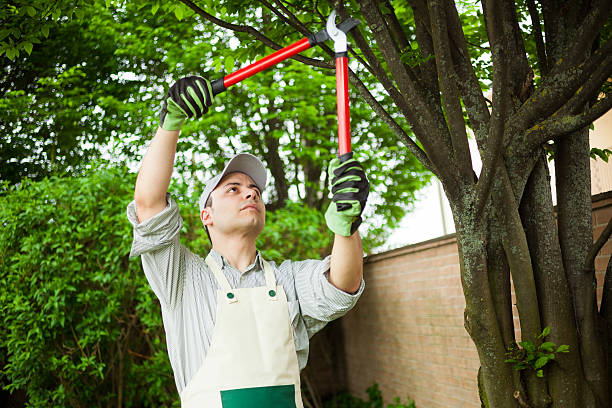
Regular pruning does a lot of quiet, unglamorous work. Heads off the damage, disease, and structural weakness that eventually turns into expensive removal or a storm-related hazard down the line. Clear dead or diseased branches before they compromise the whole tree, and you stretch its lifespan while cutting down on real safety risk.
Signs a tree needs pruning attention:
- Dead or visibly diseased branches
- Branches crossing or rubbing against each other
- Growth encroaching on structures, power lines, walkways
- An uneven canopy shape hinting at structural imbalance
When Tree Removal Becomes Necessary
Signs a Tree Needs to Come Down
Anyone looking into Tree Removal Aurora services is usually dealing with one of a handful of familiar red flags:
- A lean that’s developed suddenly
- Visible trunk damage, cracks, cavities
- Extensive dead branches or canopy dieback
- Root damage from nearby construction or disease
- Real proximity risk to structures or power lines
Why This Isn’t a DIY Project
⚠️ Safety note: Big tree removal, no proper equipment, no real training — that’s one of the genuinely dangerous DIY projects out there. Plenty of municipalities protect certain trees by bylaw too, even on private property. Worth checking local regulations before booking anything.
Finding a Tree Service You Can Trust
What Sets Qualified Providers Apart
Established companies like Brantford Tree Service show exactly what homeowners should look for — real certification, real insurance, a track record of doing the work safely. Buying guidance, pruning, removal, all of it.
Credentials worth verifying:
✔ ISA (International Society of Arboriculture) certification
✔ Valid liability insurance
✔ Workers’ compensation coverage
✔ Local references or reviews from similar jobs
Questions to ask before hiring:
- ISA certified — can they show proof?
- What insurance do they actually carry?
- Do they handle the permit application, if removal needs one?
- Stump grinding or cleanup included, or billed separately?
Final Thoughts
Planting something new. Keeping what’s there healthy through regular pruning. Removing a tree that’s become a liability. Different jobs. Same rule, every time — check credentials, ask the direct questions, never assume the cheapest quote is automatically the safest one.