Dealing with pests effectively means recognizing problems early, knowing when to bring in a professional, and understanding how to handle costs if treatment exceeds your budget. Here’s a practical look at all three.
Recognizing Common Pest Problems Before They Escalate
Signs Worth Taking Seriously
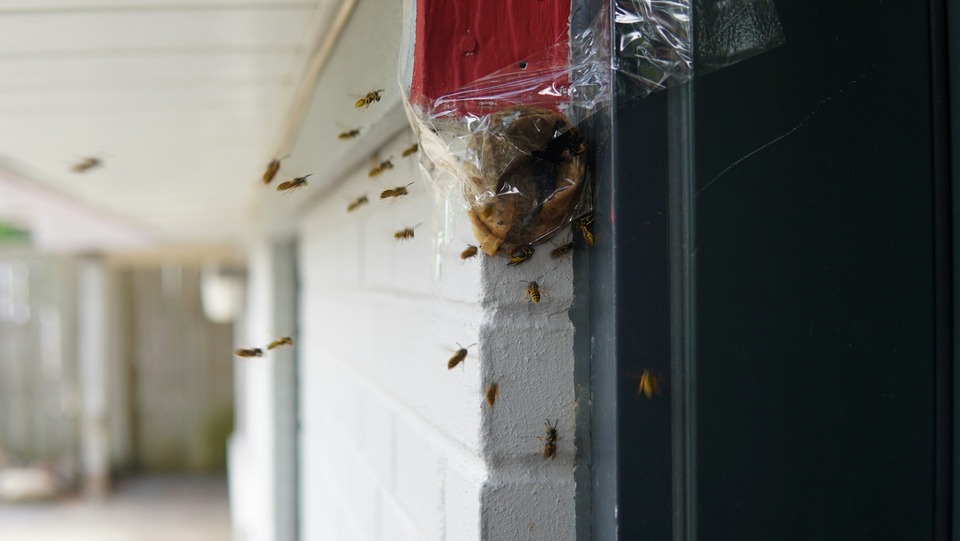
Pest problems rarely appear fully formed — they usually start small and escalate if left unaddressed. Anyone researching pest control in Midland is often responding to early warning signs that, if caught sooner, could have meant a simpler, less costly fix.
Common early warning signs:
- Occasional sightings that become more frequent over a few weeks
- Small amounts of droppings or debris in out-of-the-way spots
- Minor damage to food packaging or stored items
- Faint, unexplained odors that weren’t there before
Worth knowing: Catching a pest problem in its early stages is almost always cheaper and simpler to resolve than waiting until it’s fully established.
Prevention Practices That Actually Work
Reducing the Conditions Pests Need
Most effective pest prevention comes down to removing what attracts pests in the first place, rather than reacting after they’ve already moved in.
Practical prevention steps:
- Seal gaps and cracks around foundations, utility entry points, and siding
- Address moisture issues promptly, especially around foundations and basements
- Store food securely and manage garbage consistently
- Trim vegetation away from direct contact with the home
When Professional Treatment Becomes Necessary
What Sets a Qualified Provider Apart
Once prevention isn’t enough and an infestation is confirmed, professional treatment addresses the root cause rather than just visible symptoms. Established providers like Pro Pest illustrate what a thorough response looks like — identifying entry points and underlying conditions, not just treating what’s visible.
What a quality inspection should cover:
- Identification of entry points, not just visible activity
- Assessment of moisture or food sources contributing to the problem
- A treatment plan with follow-up if needed
When Pest Control Costs More Than Expected
What to Know Before You Borrow
Significant infestations, especially those involving structural damage, can cost more than routine treatment. Some homeowners consider quick loans as a way to cover the expense without delaying necessary treatment.
⚠️ Worth noting: “Quick” refers to approval speed, not legitimacy. Before applying anywhere, confirm the lender is licensed through your province’s financial regulator (FSRA in Ontario), and read the full APR rather than focusing on approval speed.
Before signing anything, review:
- The full cost of borrowing, not just the approval timeline
- Whether a lower-cost alternative might be available first
- Red flags: guaranteed approval with no verification, unclear fee structures
Final Thoughts
Preventing pest problems before they escalate, knowing when to bring in professional help, and handling unexpected costs responsibly all contribute to a genuinely effective approach — one that catches problems early rather than reacting to them once they’ve become expensive.
Note: This article is for general informational purposes only and does not constitute financial advice. Please consult a licensed financial professional for guidance specific to your situation.