Household dust is never just one thing. Pull it apart and you’ll find skin flakes, textile fibers, soil, pollen, pet dander, and whatever else happens to be floating through the air that day, all settling quietly onto every surface in your home. No cleaning routine wipes out every trace of this material, but consistent source control paired with the right cleaning methods can meaningfully cut down on accumulation over time. The most effective approach usually blends surface cleaning, floor care, regular laundry, ventilation, and moisture management, rather than leaning on any single tool or product. For households that want to clean floors and upholstery more often, a cordless vacuum is one option that makes quick, regular cleaning sessions easier to fit into a routine—though it’s really just one piece of the puzzle, not a fix on its own. This guide sticks to practical household maintenance and isn’t intended as medical advice.
Why Dust and Allergens Accumulate Indoors
Indoor particles arrive from all directions: outdoor soil and pollen tracked in on shoes and paws, pet hair and dander, fibers shed from carpets and upholstery, cooking residue, and dust mites that thrive wherever bedding and fabric collect. How much builds up in a given household depends on factors like carpeting, the number of people and pets around, ventilation patterns, clutter, and indoor humidity. Dust mites themselves are invisible to the naked eye, so cutting off their food sources and moisture tends to be a more realistic goal than trying to eliminate them outright. Ordinary household dust isn’t inherently harmful, but keeping it to a minimum supports general comfort and better indoor air quality.
Build a Cleaning Routine Around Source Control
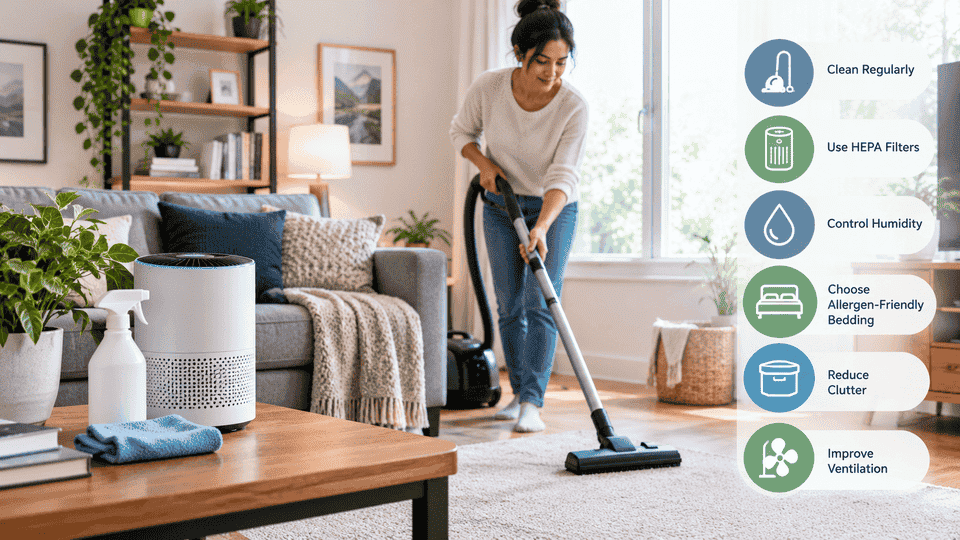
What you keep out of the home matters just as much as how you clean once it’s inside. Doormats, a shoes-off policy indoors, regular pet grooming, and staying on top of moisture problems all help limit what particles make their way in. When you do clean, work from the top down—dust shelves and furniture with a damp microfiber cloth before moving to the floors, so that any dislodged particles settle rather than simply shifting from one surface to another. It also helps to match the method to the surface: damp-wipe hard surfaces, vacuum fabrics, and mop floors only after loose debris has been cleared away.
Expertise matters here: removing settled dust is a different task from filtering what’s still floating in the air, and a solid routine accounts for both. How often you clean should reflect your household’s actual conditions rather than some fixed, one-size-fits-all rule. Both the U.S. Environmental Protection Agency and Health Canada point to regular cleaning combined with good ventilation as core strategies for managing indoor particles.[1][2][15]
A Practical Room-by-Room Cleaning Plan
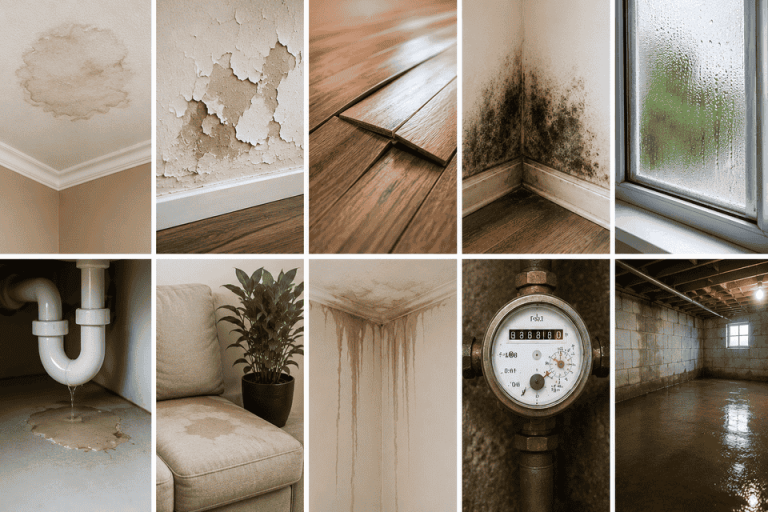
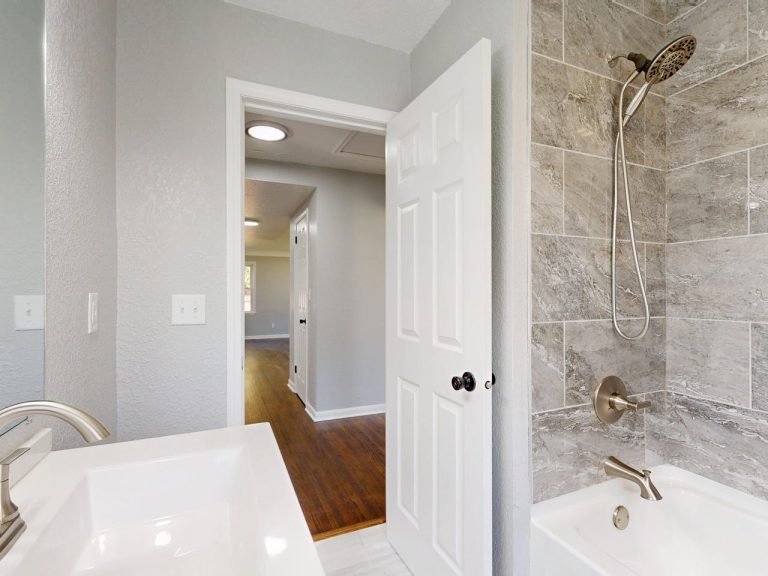
In bedrooms, wash bedding on the hottest setting the care label allows and vacuum carpets and upholstered furniture on a regular basis. In living areas, pay particular attention to rugs, sofas, and the spots beneath furniture that tend to get overlooked. Kitchens and entryways benefit from frequent floor cleaning near doors and wiping away cooking residue before it has a chance to settle. Bathrooms need good ventilation and prompt attention to leaks or mildew before they spread.
Picture three different households: one with a shedding dog, one with a heavily carpeted bedroom, and a small apartment with mostly hard flooring. All three can follow essentially the same framework—it’s really just a matter of adjusting frequency and emphasis to match the situation.
How to Vacuum Without Redistributing Dust
Look for equipment with reliable filtration, a well-sealed system, and attachments suited to the job at hand. A verified HEPA filtration system is meaningfully different from vague “HEPA-type” labeling, and overall performance comes down to the whole machine, not just the filter inside it. Move slowly enough for the machine to actually collect debris rather than skate over it, and keep up with filter maintenance as instructed. The EPA notes that vacuuming can temporarily stir particles back into the air, so people with allergies may want to step out of the room briefly and ventilate once they’re done.[1][2] The American Lung Association echoes this same emphasis on source control and proper equipment maintenance.[5][9]
Create a Sustainable Cleaning Schedule
A flexible framework tends to work better than a rigid timetable: handle spills as they happen, vacuum and wash bedding weekly, clean under furniture monthly, and revisit entryway and moisture habits as the seasons change.
Key takeaway: A manageable routine that actually gets done is generally worth more than an ambitious schedule that gets abandoned after two weeks.
Common Cleaning Mistakes to Avoid
- Dry-dusting instead of damp-wiping
- Skipping filter maintenance
- Neglecting upholstery, curtains, and mattresses
- Reaching for heavy-duty cleaning products when plain water would do
- Assuming any single device can replace proper ventilation and source control
Making the Routine Sustainable
Effective dust management comes down to a set of coordinated habits: keeping incoming dirt to a minimum, damp-wiping surfaces, washing fabrics regularly, vacuuming with well-maintained equipment, and staying ahead of moisture problems. It’s usually best to start with the areas that collect the most dust rather than attempting to overhaul the entire house at once. In the end, the best routine is simply the one that fits your household well enough to stick with—not one dictated by any particular product or brand.