
Key Takeaways:
- Skipping permits on a basement remodel can trigger fines of $1,000+, void your homeowner’s insurance, and create costly roadblocks when you sell — the “shortcut” almost always costs more than the permit itself.
- Most finished basements require multiple permits covering structural, electrical, plumbing, and HVAC work — and each trade is inspected separately before walls can be closed.
- Building codes are actively changing in 2026; always confirm which code edition your municipality has adopted before finalizing any design decisions.
- The 2026 Houzz Renovation Plans Report shows 93% of homeowners are hiring pros this year, meaning licensed contractors are in high demand — start outreach during the design phase, not after permits are approved.
- A 15–20% contingency budget is essential for basements specifically, where hidden moisture damage, undersized panels, and unexpected structural issues are common discoveries once work begins.
So you’ve finally decided to do something with that unfinished basement. Maybe it’s a home gym, a guest suite, a dedicated home office, or just the extra living space your family has been asking about for years. Whatever the vision, here’s the part most homeowners don’t see coming until they’re already deep in contractor quotes: the permits, the code compliance, and the contractor vetting process are going to shape your timeline, your budget, and your sanity more than almost anything else about this project.
The good news? None of it is complicated once you know what to expect. The bad news? A lot of people skip the research and pay for it later — sometimes literally, with fines or forced demolition orders.
Here’s everything you need to know before a single stud goes up.
Why Permits Are Non-Negotiable in 2026
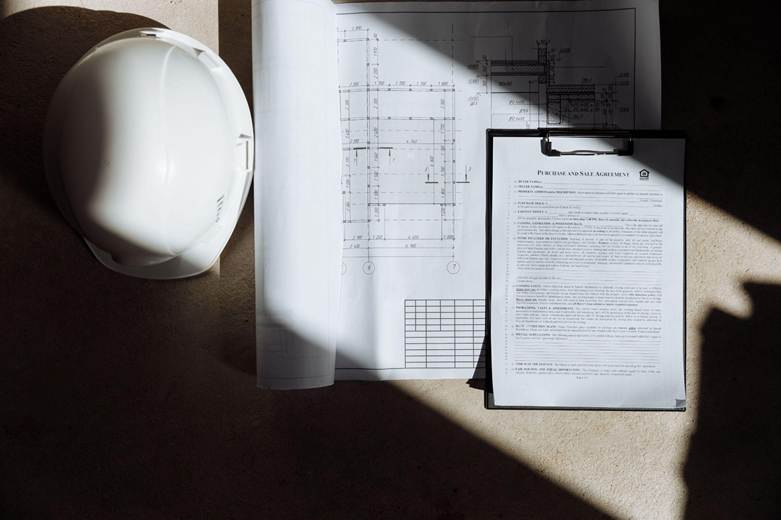
Let’s address the temptation head-on: skipping permits feels like a shortcut. No paperwork, no inspection scheduling, no waiting on plan review. But the math genuinely doesn’t work in your favor.
According to Angi’s updated 2026 guide to finished basement code requirements, the overwhelming majority of municipalities require building permits for structural work, electrical, plumbing, and HVAC modifications — and homeowners who get caught without them face fines ranging from a few hundred dollars to well over $1,000, on top of serious complications when it comes time to sell the house or file an insurance claim on a loss tied to unpermitted work.
That last part is the one that really stings. You finish a beautiful basement without permits, everything looks great, and then six years later you list the house. The buyer’s inspector flags the unpermitted work. Now you’re negotiating a price reduction, scrambling to retroactively pull permits, or in the worst case, opening up finished walls so an inspector can verify what’s inside them. The “savings” from skipping the permit evaporate fast — and then some.
What actually requires a permit? In most jurisdictions, any of the following will trigger at least one permit requirement, and often several:
- Framing new walls (including hanging drywall in some municipalities)
- Electrical work — new circuits, outlet additions, panel upgrades, or new lighting
- Plumbing — adding a bathroom, wet bar, or laundry connection
- HVAC — extending ductwork, adding returns, or installing mini-splits
- Structural work — altering or removing load-bearing elements
The standing rule: if it changes how the space functions or what lives inside the walls, assume you need a permit and confirm with your local building department before anything else.
What the 2026 Code Actually Requires
Building codes are not static. Jurisdictions adopt updated model codes on rolling cycles, which means what passed inspection in your neighbor’s basement three years ago may not fly today. The International Residential Code (IRC) sets the national baseline that most municipalities adopt and then amend locally — and your city or county is what actually governs your project, not the national document.
Here are the code requirements that come up on virtually every finished basement in 2026:
Egress
Any room that could realistically function as sleeping space requires a code-compliant egress window or door — an opening large enough for an occupant to escape and for an emergency responder to enter. If you’re planning a “flex room” that could double as a bedroom, design for egress from the very beginning or you’ll be redesigning later.
Ceiling Height
Habitable rooms need a minimum clear height of 7 feet under the IRC. This catches a lot of homeowners off guard when ductwork, beams, or pipe runs eat into that clearance. Know your actual ceiling height before you fall in love with any layout.
Smoke and CO Detectors
Finished basements require smoke alarms and carbon monoxide detectors placed according to current code — generally on every level of the home and within a set distance of sleeping areas. Placement rules have tightened in recent IRC cycles, so don’t assume what was acceptable in a previous project still meets the standard.
Electrical
Every finished room needs outlets spaced to meet National Electrical Code minimums, and all lighting must be on a switch. Any circuits near water — bathrooms, wet bars, laundry areas — need GFCI protection. If your panel is already near capacity, get a subpanel conversation going with your electrician before you finalize scope.
Insulation and Vapor Management
Below-grade walls need insulation meeting the minimum R-value for your climate zone, and moisture control is taken seriously by inspectors because water problems in a finished basement are some of the most expensive repairs a homeowner can face down the road.
Fire Blocking
This one surprises a lot of people — framing in a basement requires fire blocking at specific intervals to slow fire spread through concealed wall and ceiling cavities. It’s not complicated, but it needs to appear in your permit drawings.
One critical note for 2026 specifically: many jurisdictions are actively mid-cycle on code adoption. Denver, for example, moved to the 2024 International Codes as of mid-2025, which changed energy-efficiency requirements around insulation, air sealing, and ventilation for all projects submitted after that date. What met code last year in some areas doesn’t necessarily meet code this year. Before you lock in any design decisions, call your local building department and ask which code edition is currently active and whether there are any local amendments affecting basement finishing work. That one phone call can save you from a costly redesign.
The Contractor Market in 2026 — And Why You Need to Move Early

Here’s where current market data gets genuinely useful. The 2026 U.S. Houzz Renovation Plans Report — drawn from a survey of more than 1,000 U.S. homeowners — found that 93% of people planning renovation projects this year intend to hire professionals. General contractors lead at 55%, followed by electricians at 52% and plumbers at 35%.
Think about what that means for your basement project. Nine in ten homeowners are competing for the same licensed tradespeople — and a basement remodel requires at minimum a general contractor, an electrician, and a plumber, all working in sequence. The best contractors in most markets are already booked weeks or months out. Starting your contractor search after you have approved plans in hand is one of the most common scheduling mistakes homeowners make, and in a market this tight, it can add months to your project start date.
The Houzz data also captured something instructive about what homeowners wished had gone better on their completed 2025 renovations: better schedule tracking was the top improvement cited (44%), followed by clearer communication (35%) and greater cost transparency (26%). These aren’t complaints about craftsmanship — they’re process complaints. When you’re vetting contractors, pay as much attention to how they communicate as to what they build.
Practically speaking, this means starting contractor outreach during your design and permitting phase, not after. Get your quotes in parallel with your permit prep, ask every candidate specifically about their experience pulling permits in your municipality, and build communication expectations into your contract from day one.
Know Your Numbers Before You Commit
Permits, code work, and contractor hiring all feed directly into your project budget — and understanding the full cost picture before you sign a contract is how you avoid the budget shock that derails otherwise well-planned projects. Before your first contractor meeting, it’s worth getting grounded in what finished basements actually cost in the current market, which scope decisions move the number up or down the most, and how to evaluate your return on investment relative to your home’s value and neighborhood. Our in-depth breakdown of what a basement remodel costs in 2026, including average spend by project type and the biggest variables that affect your final number, is a smart read before you start fielding bids.
Your 2026 Basement Remodel Permit and Contractor Checklist
Work through this list before construction begins. Skipping steps here is where projects get expensive.
Permitting
- [ ] Call your local building department to confirm the current active code edition
- [ ] Ask whether any local amendments affect basement finishing requirements in your jurisdiction
- [ ] Identify every permit type needed: building, electrical, plumbing, and mechanical (HVAC)
- [ ] Confirm who is responsible for pulling each permit — your GC, the subs, or you
- [ ] Budget for permit fees ($200–$2,000+ depending on scope and jurisdiction)
- [ ] Map out the inspection schedule so you can build it into your project timeline
- [ ] If you’re adding a bedroom, confirm egress window dimensions satisfy current local code before purchasing windows
Code Compliance
- [ ] Measure actual ceiling height throughout the entire space, flagging every beam, duct, and pipe run
- [ ] Identify whether any rooms could be interpreted as sleeping space and design for egress accordingly
- [ ] Confirm climate zone insulation R-value minimums with your contractor or building department
- [ ] Assess electrical panel capacity with your electrician before finalizing the electrical scope
- [ ] Plan smoke detector and CO detector placement in the design phase, not as an afterthought
- [ ] Include fire blocking locations in your framing plan
Contractor Vetting
- [ ] Begin outreach to contractors during the design and permitting phase — not after
- [ ] Verify the GC’s license through your state’s contractor licensing board (most have a free online lookup)
- [ ] Request current certificates of general liability and workers’ compensation insurance — don’t accept verbal assurances
- [ ] Ask specifically about experience pulling permits in your city or county, not just general remodeling experience
- [ ] Check references from recent basement finishing projects specifically
- [ ] Collect at minimum three written bids with itemized scopes of work — not ballpark estimates
- [ ] Confirm your contract specifies who pulls each permit, which inspections are milestones tied to payment, and how change orders are handled
- [ ] Set aside a 15–20% contingency for the surprises basements reliably produce: hidden moisture damage, undersized electrical panels, unexpected structural issues
Final Thoughts
A permitted, code-compliant basement remodel is one of the more solid investments you can make in your home. Those permit inspections aren’t bureaucratic obstacles — they’re the documented record that your project was built to standard, which matters enormously at resale, during refinancing, and if you ever need to make an insurance claim.
The homeowners who move through basement remodels smoothly are almost always the ones who understood the rules going in, started their contractor conversations early, and built a realistic timeline that accounted for plan review and inspection sequencing.
Do the groundwork now. The finished space is worth doing right.