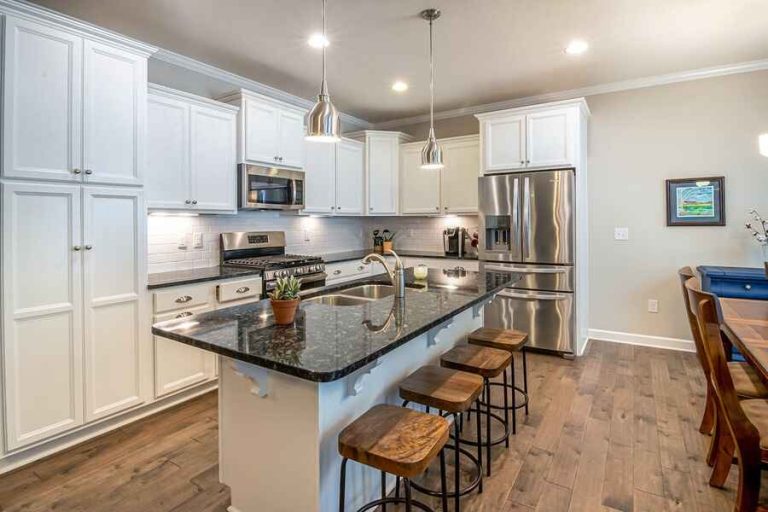
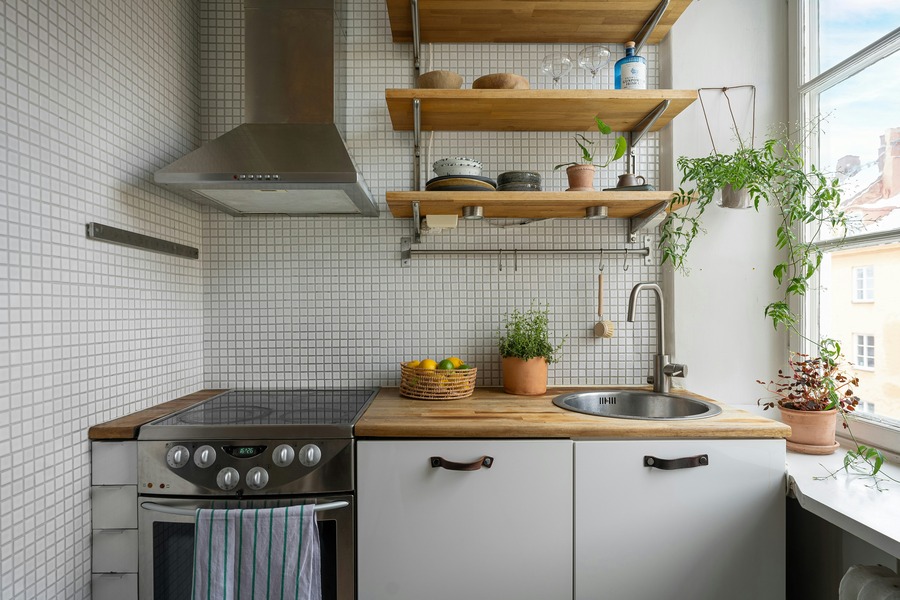
Small kitchens often pose a challenge for homeowners craving both function and style in confined spaces. Yet, no space should be overlooked when it comes to maximizing potential. With strategic design choices and a bit of creativity, even the most compact kitchen can become a hub of functionality.
Strategic Storage: The Key to An Organized Kitchen
One of the most effective ways to make small kitchens work harder is by reevaluating storage solutions. Overhead cabinets might already occupy wall space, but consider installing shelved corners, magnetic strips, or hooks on the backsplash to create room even where it seems there is none. Utilize pot racks suspended from ceilings to open precious cupboard space below. Every inch matters, and creative storage options can unveil hidden potential.
Additionally, consider vertical dividers within cabinets to store trays and cutting boards upright, conserving horizontal space for other essentials. Leveraging the space above cabinets can also be beneficial. By placing decorative boxes or baskets above, you create both an appealing look and additional storage. Transform pantries by using clear containers for dry goods, allowing you to see what’s available at a glance, making cooking and planning far more intuitive.
The Power of Multipurpose Furniture
When dealing with limited floor space, multipurpose furniture becomes a game-changer. Extendable tables can expand your dining area for guests while retracting for an uncluttered everyday look. Consider incorporating a kitchen island with built-in storage—a surface that handles meal prep one moment and serves snacks to guests the next. Look for seating that conceals hidden storage, offering dual purposes without sacrificing elegance.
An overlooked piece is the rolling kitchen cart. It provides flair, additional storage, and a portable workspace that glides away when not needed. Nesting tables also present a sleek solution for small kitchens, ready to extend your workspace at a moment’s notice. Stylish folding chairs give versatility without occupying unnecessary floor space, and they can be neatly tucked away after use.
Small Appliances, Big Impact
The age of bulky, oversized appliances is long behind us. Modern—smaller kitchen gadgets—are design triumphs that complement limited space rather than overcrowd it. Integrate appliances that can be tucked away or stowed. Choose dishwashers or microwaves that fit seamlessly into existing cabinetry, preserving counter space for more practical use. Prioritize what genuinely enhances cooking experiences over what merely fills gaps.
For those looking to optimize their counters in small kitchens, if you want one of the best companies, then Superior Stone and Cabinet can do any upcoming countertop options for home remodels that you’re considering. Countertops are not only work surfaces but can also become aesthetic statements that elevate the entire kitchen experience.
For those who enjoy a morning coffee ritual, consider compact coffee machines capable of brewing multiple styles whilst occupying a small footprint. Induction cooktops not only save energy but are also slimmer, using less space than traditional stoves. Countertop ovens can replace larger ovens for those who rarely bake or roast, providing precise cooking without the need for a full-sized appliance.
Lighting: Layering for Depth and Utility
Good lighting goes beyond aesthetic value—it adds functionality and enhances the kitchen’s overall experience. Layered lighting, which combines ambient light with task-specific options, is especially effective. Install under-cabinet strips to illuminate countertops for meal prep, while pendant lights over a dining area can add character and ambiance. Playing with light and shadow gives depth to small spaces.
Add dimmer switches to control the brightness and mood according to the time of day or the activity at hand. Skylights can infuse natural light during daylight, reducing reliance on electric light sources while connecting the kitchen to the outside. Using mirrored butchers or glass cabinet doors can reflect both natural and artificial light, further enhancing the brightness and perceived space in a compact kitchen.
Embrace Smart Layouts
Thoughtful layouts define successful small kitchens. Aim for smart placement of essential elements. Countertops adjacent to the sink, stove, and refrigerator form a practical “work triangle,” ensuring smooth transitions between cooking tasks. This age-old principle maximizes efficiency, turning even the tiniest kitchen into an efficient culinary zone.
Consider alternative layouts like L-shaped counters, which maximize corner storage, or galley kitchens for homes with parallel counters. Open floor plans, where a cooking space merges with eating and living areas, are another way to make kitchens feel less enclosed. Optimizing pathways and removing physical barriers can entirely redefine how a small kitchen is experienced.
Compact Decor with Big Personality
Function and personality can go hand in hand. Select decor that brings joy without consuming space. Opt for mirrors to create an illusion of depth or vibrant hanging prints for a splash of color. Compact herb gardens can infuse life and aroma into the kitchen while also serving culinary purposes. Even the smallest details can define a space, leaving a lasting impression without overwhelming it.
Incorporate a chalkboard wall or board for jotting down grocery lists or daily reminders, adding a personal touch. Add texture and warmth with small woven mats or vibrant colored rugs. Rotating or seasonal decor, like ceramic turkeys at Thanksgiving or festive lights during holidays, keeps the space feeling fresh without permanent additions.
The Importance of Decluttering
A clean and clutter-free kitchen is fundamental in small spaces. Keep surfaces clear by regularly evaluating what items are essential and which are superfluous. A weekly assessment can drastically change the feel of a kitchen and open up more space for necessary tasks. The philosophy is simple: prioritize quality over quantity.
Assessing kitchen gadgets for frequency of use can help avoid the pitfalls of overcluttering. Store seldom-used tools away and maintain a roster of frequently used items. When organizing, remember to group similar items together. This not only aids accessibility but also minimizes unnecessary clutter. Label drawers and containers for quick identification, saving both time and frustration in the cooking process.
From strategic design choices to smart appliance selections and thoughtful layouts, homeowners have the tools to transform cramped cooking quarters into function-filled spaces without compromise. With intentional creativity, small kitchens become culinary canvases brimming with possibilities.