
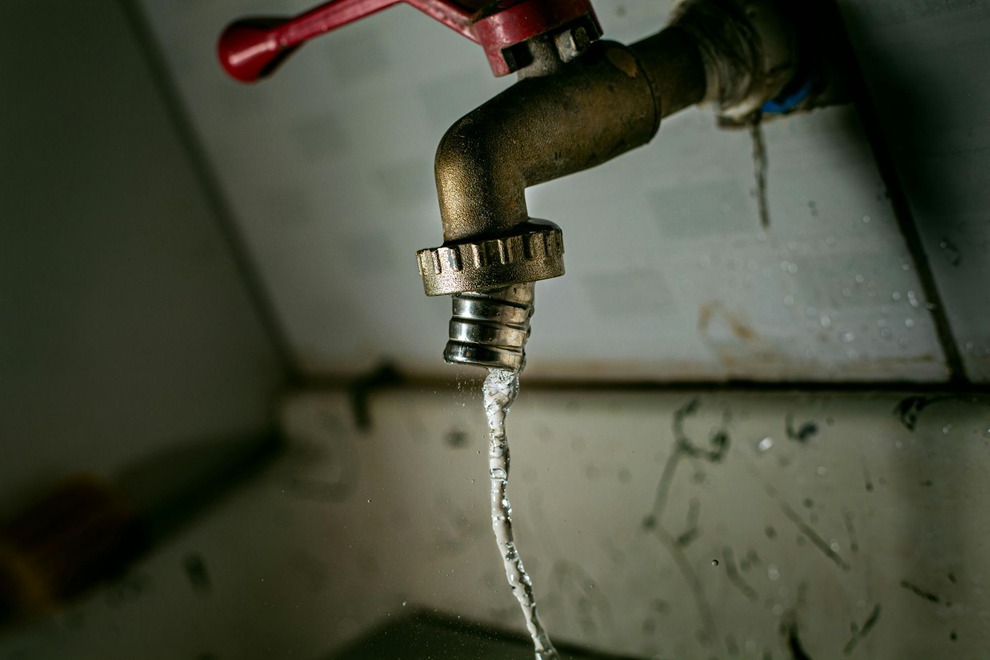
Plumbing emergencies can strike furiously and without warning, leaving your family scrambling to manage water damage, leaks, and potential health hazards. Swift action and an understanding of basic plumbing safety can safeguard your loved ones and minimize damage. Here are some clear steps your family should take when faced with plumbing troubles.
Prioritize Safety
Your first priority should always be the safety of your family. Everyone in your household must be aware of where the main water shut-off valve is located. Turning off the water supply can prevent further flooding and damage. Make it a regular household drill to learn and practice how to shut off the water supply quickly. This action can be crucial in minimizing damage and ensuring safety.
Mitigate Water Damage
After securing the family’s safety, take steps to minimize property damage. Move furniture, electronics, and other valuables to dry areas if possible. Use buckets to catch drips and towels to soak up water. However, do not attempt intricate fixes that could worsen the situation or enhance danger, like using electrical appliances to expedite drying.
In moments of plumbing distress, it’s invaluable to have quick access to reliable local services. For those residing in Illinois, consider reaching out to Oak Forest plumbing services from King Heating, Cooling & Plumbing for expert assistance. This guarantees you the peace of mind that professionals are addressing the issue effectively.
Seek Professional Help
No matter the size of the plumbing issue, seeking professional expertise is a wise decision. Relying solely on DIY methods can exacerbate the problem, resulting in increased repair costs. Plumbing professionals have the skills and tools to address the root cause of the issue and provide long-term solutions.
Beware of Electrical Hazards
Water and electricity are a dangerous mix. In any plumbing emergency that involves significant water exposure, turn off the electrical supply to the affected area. Wet surfaces can conduct electricity, posing a serious threat to anyone in contact with them. Ensure family members steer clear of waterlogged areas until it’s confirmed safe.
It’s worth noting that while a single incident might seem easy to handle, frequent water and electricity interactions can lead to long-term damage in the household wiring system. Checking for brittle or frayed wires regularly can be beneficial. Address immediate fixes to prevent future hazards without defaulting to shortcuts that may not stand the test of time.
Prevent Slip and Fall Accidents
With water comes slick surfaces, increasing the risk of slip and fall accidents, especially for young children and the elderly. Clear the affected area of personal belongings and furniture, and use towels or absorbent materials to mop up puddles promptly. Ensure hallways and stairs are dry and well-lit to prevent mishaps.
Consider using anti-slip mats in areas prone to water exposure, such as the kitchen and bathroom. Having a mat with a sound grip can provide an additional safety layer against unexpected spills. Regularly inspect these mats for wear and tear and replace them as needed. Safety-minded investments today can ward off future pains associated with accidents that may arise.
Educate Your Family
Knowledge is power, and the more your family knows about plumbing emergencies, the better equipped they are to handle them. Educate children and adults about emergency procedures and potential dangers. Create an emergency contact list with numbers for plumbing services and local authorities, making sure everyone knows where it’s located.
Regular family discussions around plumbing safety can significantly boost everyone’s preparedness. Consider hosting mock scenarios where potential emergencies are acted out, allowing the family to engage with real-time decisions such as calling the plumber or using the water valve. This can build both confidence and calmness in actual critical times.
Manage Health Risks
Some plumbing emergencies, especially those involving sewage or contaminated water, pose health risks. If you encounter foul odors or suspect sewage exposure, immediately remove children and pets from the vicinity. Respiratory and skin infections are common dangers associated with sewage. Consult with professionals for safe handling and disinfection.
In the presence of heavily contaminated water, take immediate notice of any unusual health symptoms among family members. Persistence of symptoms such as skin irritations, sneezing, or coughing might necessitate consulting health professionals to clarify any potential bacterial or toxic exposures. Quick health assessments can mean quicker recoveries and fewer lingering health concerns.
Prepare for Future Incidents
To lessen the impact of potential future incidents, conduct regular plumbing maintenance checks within your household. Regular inspections can detect worn-out pipes or potential issues before they escalate. By installing water leak detectors and ensuring that pipes are well-insulated, you can prevent many common emergencies.
Factor in implementing environmentally-friendly plumbing solutions such as low-flow toilets or faucet aerators. These not only conserve water but also offer a buffer of savings on your water bill. While troubleshooting the current plumbing problems, it’s an opportune moment to evolve household practices that save money and protect the environment.
Plumbing emergencies may not be entirely avoidable, but the chaos they cause can be mitigated. By following these safety tips, you will significantly reduce the impact on your family and home, ensuring safety and peace of mind in the face of unforeseen plumbing challenges.