
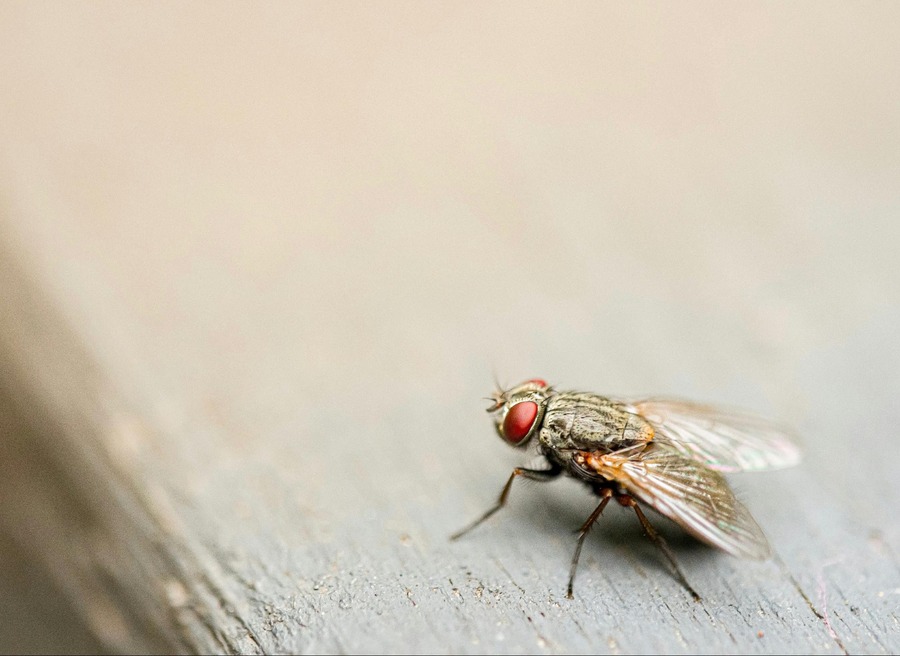
Increasing encounters with pests have transformed homes into uneasy battlegrounds. Where families once found solace, the presence of uninvited guests has prompted a firm look at maintenance strategies. The rise in pest populations—be it rodents, insects, or other critters—poses substantial challenges to homeowners. Clinging tenaciously to attics, gardens, and basements, these invaders demand a decisive response.
The Persistent Threat
Households across neighborhoods are observing a troubling uptick in pests. Unchecked climatic shifts and urban sprawl have conspired to provide these creatures with an environment they can exploit. Moderate winters, for instance, fail to cull pest populations effectively. Meanwhile, the need for housing is edging closer to greenfields and rural areas, inviting pests into once undisrupted zones.
Beyond seasonal changes, the shift in urban landscapes influences the transport of pests. Increased movement of goods across regions inadvertently gives pests a free ride to new territories. This, combined with the proliferation of public transport systems, facilitates easier cross-border pest introductions that can destabilize local ecosystems and disrupt household peace.
Understanding the Enemy
Having a solid grasp of what’s infiltrating your space is crucial. Let’s start with rodents. Mice and rats sneak into homes through minuscule apertures, seeking food and warmth. Their destructive tendencies—gnawing on wires, contaminating food—are infamous. Equally concerning are insects like termites and ants, which wreak havoc on furniture and woodwork, leaving stress trails both physically and financially.
Wildlife intrusions, such as raccoons and birds, further complicate the issue. While they may not fit the traditional pest profile, their presence can pose structural damage to homes. Raccoons in attics or birds nesting in chimneys create noise, debris, and potential disease vectors, emphasizing the necessity of tailored strategies to manage various pest types.
Addressing these challenges often calls for informed decisions and choosing reliable support systems. For those seeking assured assistance, trusted exterminators like KY-KO Pest in Phoenix provide a vital resource. Their expertise can significantly contribute to identifying and managing infestations effectively.
When to Call an Expert
Despite valiant amateur efforts, some infestations escalate beyond reach. It’s wise to know when an expert’s intervention is required. Professional services offer comprehensive treatments that surpass homemade solutions. They provide detailed assessments, ensuring not only extermination but also the absence of reoccurrences.
Engaging professionals does not diminish the value of personal efforts; rather, it enhances it. By combining expert knowledge with home-based strategies, a multi-layered approach ensures long-term deterrence. Experts can pinpoint lingering vulnerabilities and provide customized recommendations, effectively bridging the gap between temporary relief and sustained pest-free living.
Proactive Prevention
Before these creatures set up permanent residence, prevention must take center stage. Conduct a comprehensive examination, including all potential access points, and seal them efficiently. Relining doors, examining window sealants, and installing mesh screens over vents can serve as formidable barriers. Regular yard maintenance also plays a pivotal role; trimming shrubs and clearing debris denies many pests a foothold.
Water management is another often overlooked aspect of prevention. Ensure proper drainage around the foundation of your home and fix leaky pipes promptly. Standing water can become attractive to mosquitoes and serve as a drinking source for larger pests. A proactive approach to water control prevents the creation of suitable breeding grounds.
Stringent Sanitation Practices
Pests are not merely drawn to open doors and well-trimmed hedges; food is their primary motivator. Enforce disciplined cleaning practices by vacuuming often, particularly in areas where crumbs toss sneaky invitations. Household waste, if left exposed, beckons pests like moths to flames. Hence, storing trash in sealed bins is imperative, coupled with frequent disposal.
Naturally Derived Solutions
For those seeking organic pest control, several natural deterrents are viable. Essential oils such as peppermint and tea tree can repel insects and rodents alike. Sprayed along suspected entry points, they work as gentle yet effective shields. Similarly, applying diatomaceous earth in crawl spaces or behind cupboards creates inhospitable environments for pests like roaches.
A Community Approach
Addressing pest issues is not an isolated endeavor, as what affects one home can easily spill over to another. Engaging with neighbors fosters stronger lines of defense. Community clean-up events and neighborhood watches can be instrumental in identifying and averting potential infestations. Unified, vigilant communities hold the power to keep pests at bay more effectively.
Strengthening community ties adds a social bonus to pest management efforts. Beyond simply addressing infestations, it promotes shared knowledge and resource pooling. Working together can lead to bulk-purchase deals on pest control supplies or collaborative hiring of pest management experts, making these initiatives more budget-friendly and inclusive.
Conclusion
The persistent creep of pests into our lives requires more than casual acknowledgment. Taking proactive steps, from sealing entryways to embracing natural deterrents, can prove invaluable. Yet, when situations spiral out of hand, experts offer indispensable aid. Remember, the fight against pests is won not by chance but through steadfast strategy and community collaboration.