Residential plumbing used to be a rudimentary system, often relying on simple gravity feed and minimal fixtures. As housing design became more complex and public health standards rose throughout the 20th century, the role of plumbing transformed from basic water conveyance to integrated infrastructure.
Modern homes now contain multiple bathrooms, complex appliance connections, specialized filtration systems, and intricate water-saving devices. These advancements place higher technical demands on the entire network, requiring precise installation and materials that can handle varying pressures and temperatures.
This evolution means that plumbing is no longer a simple trade but a specialized engineering discipline that must account for efficiency, code compliance, and smart home integration. The professionals who manage these complex systems are constantly adapting, and modern plumbing companies must invest heavily in advanced training and diagnostic technology to meet contemporary housing standards.
From Basic Systems to Integrated Infrastructure
Early residential plumbing often featured a single main stack and straightforward, visible piping. Modern homes, by contrast, incorporate multi-zone systems, recirculation pumps, tankless water heaters, and specialized drainage designed for everything from garbage disposals to high-efficiency washing machines.
The layout itself is vastly more complicated, often weaving through multiple floors and hidden within walls, making maintenance access and repair significantly more challenging. This infrastructure requires intricate planning during the construction phase to ensure accessibility and long-term durability.
Furthermore, plumbing systems are now deeply integrated with other home systems, such as smart leak detection sensors and automated shut-off valves tied to central home security platforms. This integration adds layers of functional complexity and requires a holistic view of the home’s operational network.
Advances in Materials and Technology
The shift from galvanized steel and cast iron to modern materials like PEX (cross-linked polyethylene) and copper has been transformative. PEX, in particular, has simplified installation with its flexibility and resistance to corrosion, while copper remains favored for its durability and antibacterial properties.
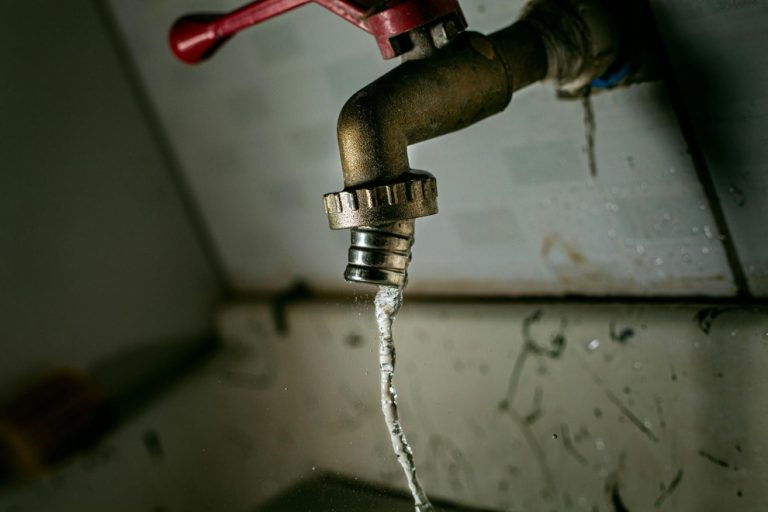
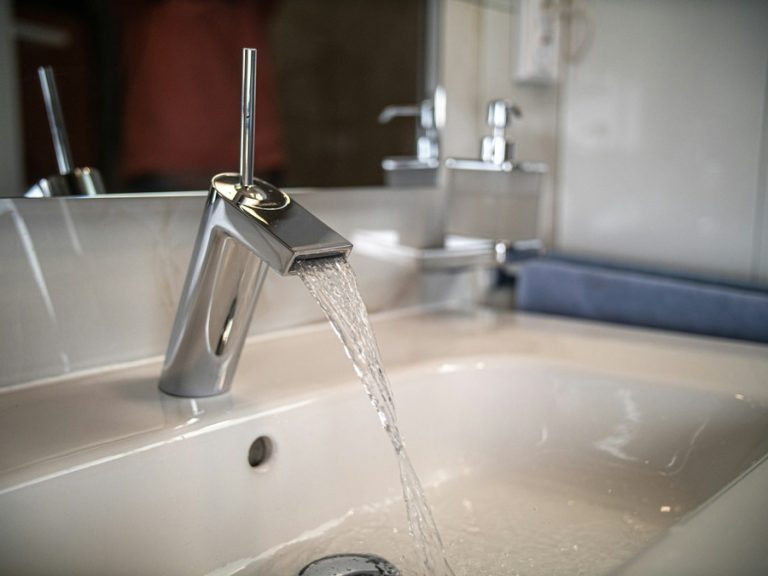
Fixtures have also advanced dramatically, moving beyond simple brass taps to low-flow toilets, motion-sensor faucets, and highly efficient showerheads that deliver a quality experience while minimizing water usage. These components require specialized knowledge for optimal installation and calibration.
On the diagnostic side, technology has introduced tools like video pipe inspection and sonic leak detection. These non-invasive methods allow technicians to identify blockages or structural failures deep within the system without resorting to costly, destructive methods to locate the problem.
Efficiency, Conservation, and Code Requirements
Modern plumbing is driven by a focus on efficiency and sustainability, largely mandated by updated building codes and consumer demand for reduced utility bills. Low-flow fixtures and appliances are now standard, requiring precise pressure regulation to function correctly.
Water conservation is paramount, leading to the widespread adoption of technologies like greywater recycling in some areas and rainwater harvesting systems. These complex installations require advanced filtration and separate piping networks to prevent cross-contamination.
Current codes often specify materials, joint types, and routing distances to ensure public safety and prevent disease transmission. Compliance with these evolving regulations requires professional plumbers to constantly update their knowledge of local and national standards.
Maintenance and Long-Term System Planning
The maintenance of modern systems has become less about patching leaks and more about proactive, strategic system management. Homeowners are now advised on preventative measures like routine water heater flushing, drain cleaning, and pipe insulation.
Long-term planning involves assessing the risk of aging materials, such as replacing old lead pipes or polybutylene, before they fail catastrophically. This preventative work is seen as an investment in the home’s structural and sanitary integrity.
Modern plumbing professionals often provide diagnostic reports and long-term repair schedules, helping homeowners budget for major component replacements like water mains or septic systems. This strategic oversight ensures the system remains robust for decades.
What Modern Plumbing Demands From Homeowners
As systems become more complex and hidden, the responsibility of the homeowner shifts from fixing minor visible issues to understanding their system’s capabilities and limitations. Homeowners must be aware of what can and cannot be safely flushed or poured down the drain.
The integration of smart technology means homeowners are expected to manage apps and respond to alerts from leak detectors or smart water meters. This digital oversight is a new requirement for protecting the sophisticated infrastructure.
Ultimately, the complexity of modern residential plumbing demands a close, professional relationship between the homeowner and their service provider. Maintaining the efficiency, compliance, and longevity of the home’s water network relies heavily on expert consultation and adherence to best practices.