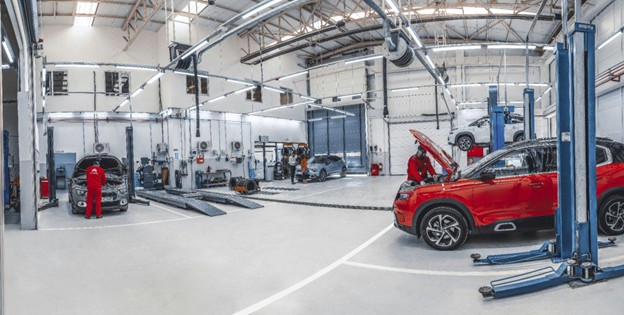
Selecting the right floor for an automotive workshop is a major decision that impacts your daily operations. It is about creating a high-performance surface that handles heavy vehicle hoists, rolling tool chests, and constant foot traffic. A professional workshop floor needs to be incredibly tough to withstand the rigours of mechanical work while providing a safe, slip-resistant environment for your team. When you get the foundation right, you turn a standard service bay into a professional facility that instils confidence in your clients.
In the automotive industry, there are a few standout choices for floor finishes. Most workshop managers find themselves deciding between heavy-duty epoxy, polished concrete, or specialised decorative finishes. If you are looking for a surface that effectively hides tracking marks and adds a professional edge to your brand, flake flooring Melbourne is a fantastic choice. It offers the chemical resilience of resin with a multi-coloured texture that masks minor imperfections and stands up to the daily grind with ease.
The Power of Epoxy Flooring
Epoxy is the undisputed heavyweight champion for mechanical workshops. This is a resin-based system that creates a chemical bond with your concrete slab rather than just sitting on the surface. The result is a floor that is exceptionally resistant to corrosive fluids like brake cleaner, oil, and petrol. If a technician knocks over a bottle of fluid, an epoxy floor allows for a quick and easy clean-up without leaving a permanent stain or damaging the substrate.
The secret to a successful workshop epoxy application is all in the mechanical grinding performed before the resin is poured. This removes contaminants and opens the pores of the concrete so the epoxy can anchor itself deep within the slab.
Once it cures, you have a seamless, light-reflective finish that brightens up the workspace and makes it much easier to find dropped nuts and bolts. It is a smart, forward-looking choice for any business that wants a clean, professional look that can handle serious heavy-duty work.
Why Polished Concrete Works
For workshops that prefer a sleek, industrial aesthetic with minimal maintenance, polished concrete is a high-performance contender. This process involves grinding the concrete slab down using progressively finer diamond grits until it reaches a smooth, dense finish. It is not a topical coating; rather, it is a refinement of the existing slab. This makes it a very durable material that does not have a layer that can flake or peel off under heavy steering.
Polished concrete is remarkably tough and stays cool under the shop lights. It is also a very sustainable choice as you are not introducing a thick layer of synthetic material over the floor.
However, in a mechanical setting, it is important to remember that concrete is naturally porous. To make it work in a workshop, it must be treated with a high-quality penetrative densifier and sealer to help resist oil penetration. For a modern, high-tech service centre, this finish is hard to beat for long-term value.
Heavy-Duty Flake Systems
For those who want a mix of durability and visual appeal, flake flooring is a top-tier solution for automotive spaces. This system uses a base coat of epoxy or polyaspartic resin, followed by a dense broadcast of vinyl chips, and finished with a robust, clear topcoat. The “flakes” provide a variegated look that is brilliant at hiding the dust and tyre marks that are part and parcel of a busy shop.
Beyond the aesthetics, the flake layer adds a subtle texture to the floor, which naturally increases slip resistance; a vital safety feature when you are dealing with spills or wet tyres on a rainy day. It is incredibly impact-resistant and will not lift or bubble if the surface was prepped correctly with a professional diamond grind. It provides a consistent, professional appearance that stays looking sharp for years, even in high-traffic service bays.
Preparing the Slab Properly
No matter which system you choose, the outcome will always depend on the quality of the surface preparation. This is where many floor installations fail. You cannot simply apply a high-performance coating over a slab that is saturated with years of oil and grease. Professional mechanical grinding is the only reliable way to ensure all contaminants, old sealers, and weak concrete layers are completely removed.
Think of it like preparing a car for a respray; the most important work happens before the colour is ever applied. A properly ground slab ensures the new flooring has a perfect key to bond to. This is the only way to prevent the dreaded hot tyre pick-up, where the heat from high-performance tyres pulls the coating right off the concrete. Doing the prep work properly is a savvy business move that ensures your workshop remains operational and looks great for the long haul.
Making the Right Choice
When deciding between these systems, think about the specific nature of your mechanical work. If you are dealing with frequent chemical spills and heavy engine rebuilds, a solid-colour epoxy is a durable powerhouse. If you want a stylish, low-maintenance showroom and service area that hides the daily mess, flake flooring is likely your best bet. For a clean, minimalist facility that is easy to maintain, polished concrete is a fantastic choice.
Investing in a professional flooring system is a positive step for any automotive business. It makes the workspace safer, cleaner, and much more professional for both your staff and your customers. When the floor looks this good, it reflects the quality of the work your team performs every day.