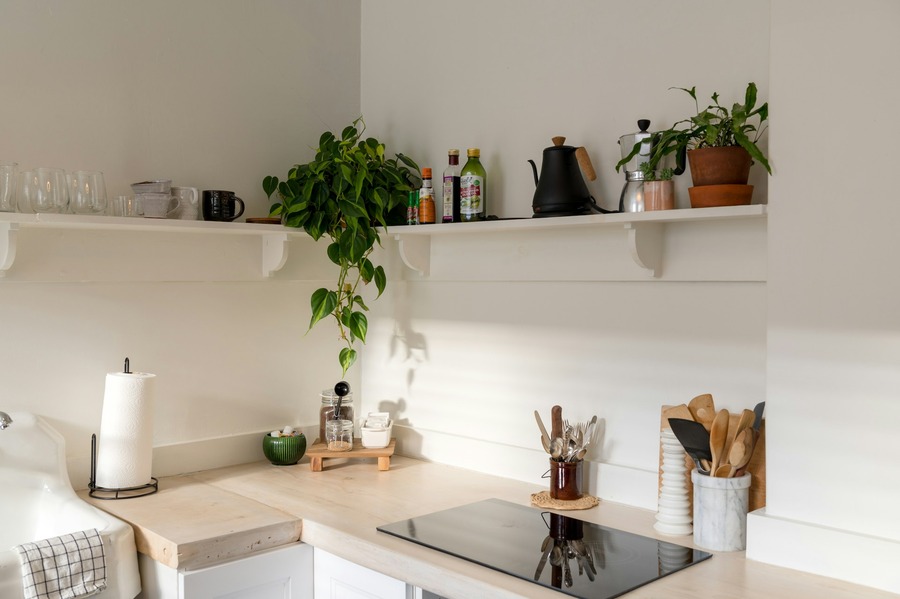
A small kitchen can sometimes feel cramped, especially when storage, appliances, and daily activities compete for limited space. Fortunately, making a kitchen appear larger doesn’t always require knocking down walls or investing in a major renovation. With thoughtful design choices, strategic organization, and the right materials, you can create a kitchen that feels more open, functional, and inviting.
Maximize Natural and Artificial Light
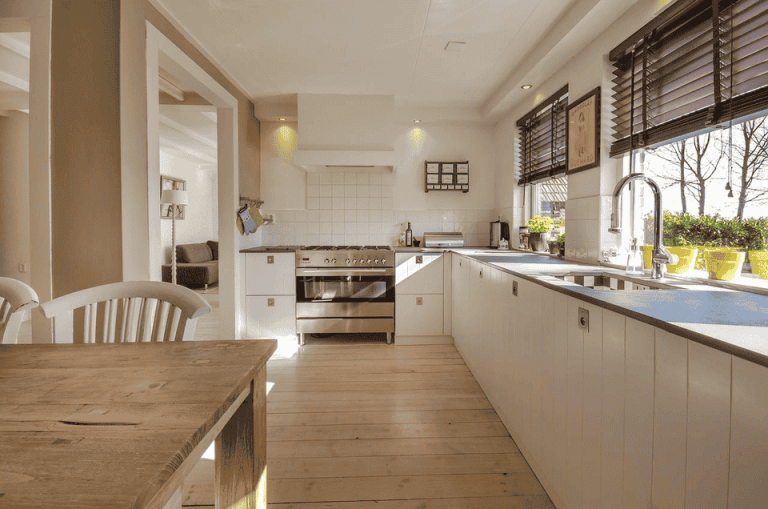
Lighting plays a significant role in how spacious a room feels. Natural light instantly opens up a space, so avoid heavy window treatments that tend to block sunlight. Instead, opt for sheer curtains or simple blinds that allow light to filter through.
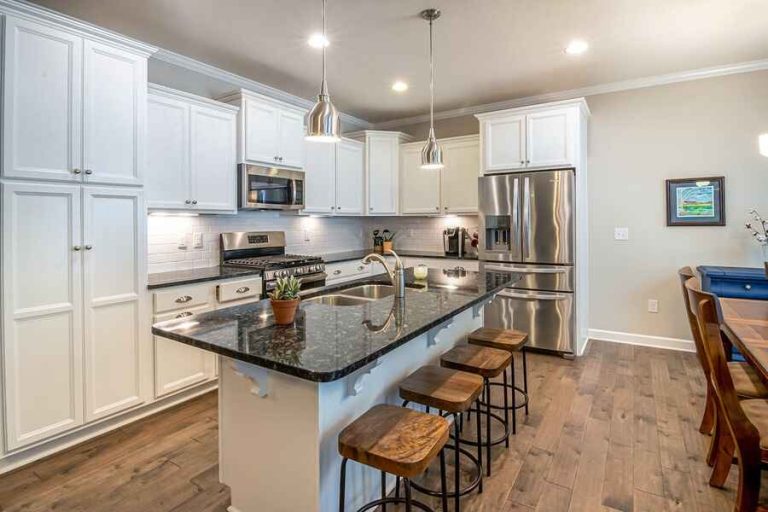
Artificial lighting is equally important. Layered lighting, including ceiling fixtures, under-cabinet lights, and pendant lights, can help eliminate dark corners that can make a kitchen feel smaller. Bright, evenly distributed light creates the illusion of a larger and more welcoming environment.
Choose a Light and Consistent Color Palette
Color has a powerful effect on spatial perception. Light shades such as white, soft gray, cream, and pale beige reflect more light, making the room feel airy and expansive. Using similar tones for walls, cabinets, and countertops can also reduce visual interruptions and create a seamless look.
If you prefer adding personality through color, consider introducing accents through accessories, plants, or decorative pieces rather than large surfaces. This approach maintains openness while still showcasing your style.
Use Smart Design Details
Small details can make a surprisingly big impact. Reflective surfaces, such as glossy backsplashes, polished countertops, and glass cabinet doors help bounce light around the room. Mirrors can also be strategically incorporated to enhance the sense of depth.
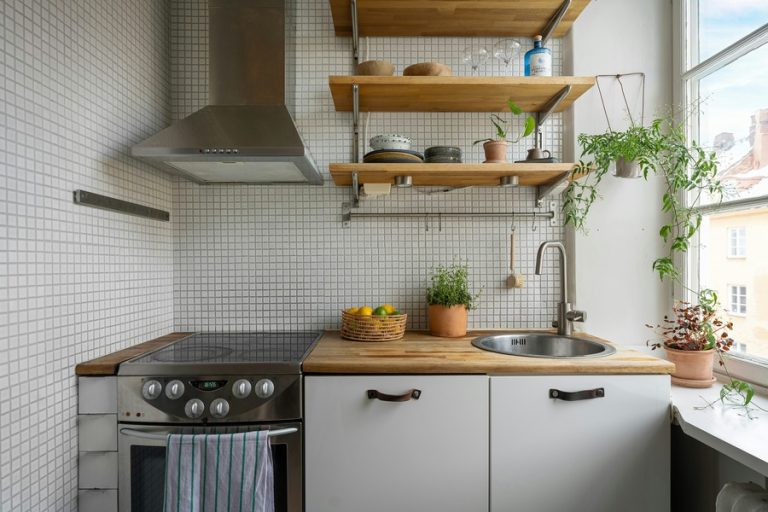
When selecting materials, make sure to consider how patterns and textures influence visual flow. For example, a backsplash featuring a small format tile can add character and dimension without overwhelming the space. The key is choosing a design that complements the overall aesthetic while maintaining visual continuity throughout the kitchen.
Reduce Clutter and Improve Storage
Nothing makes a small kitchen feel more confined than clutter. Keeping countertops clear creates an immediate sense of openness. Store frequently used items in drawers, cabinets, or designated organizers to minimize visual distractions.
Additionally, vertical storage solutions are especially effective in compact kitchens. Tall cabinets, wall-mounted shelves, and hanging racks make use of unused wall space while keeping essentials within reach. Multi-functional furniture, such as an island with built-in storage, can also increase efficiency without sacrificing valuable floor space.
Create Visual Flow
A cohesive design helps the eye move smoothly throughout the room, making the kitchen feel larger than it actually is. Avoid combining too many contrasting materials, colors, or patterns. Instead, choose complementary finishes that can effectively work together to create a unified appearance.
Open shelving can also contribute to a lighter atmosphere when used sparingly. Displaying a few carefully selected items rather than overcrowding shelves helps maintain a clean and organized look.
Endnote
Making a small kitchen look bigger is often less about square footage and more about smart design choices. By maximizing light, simplifying the color palette, incorporating thoughtful materials, reducing clutter, and maintaining visual consistency, you can effectively transform a compact kitchen into a space that feels comfortable, stylish, and significantly more spacious without expanding its footprint.