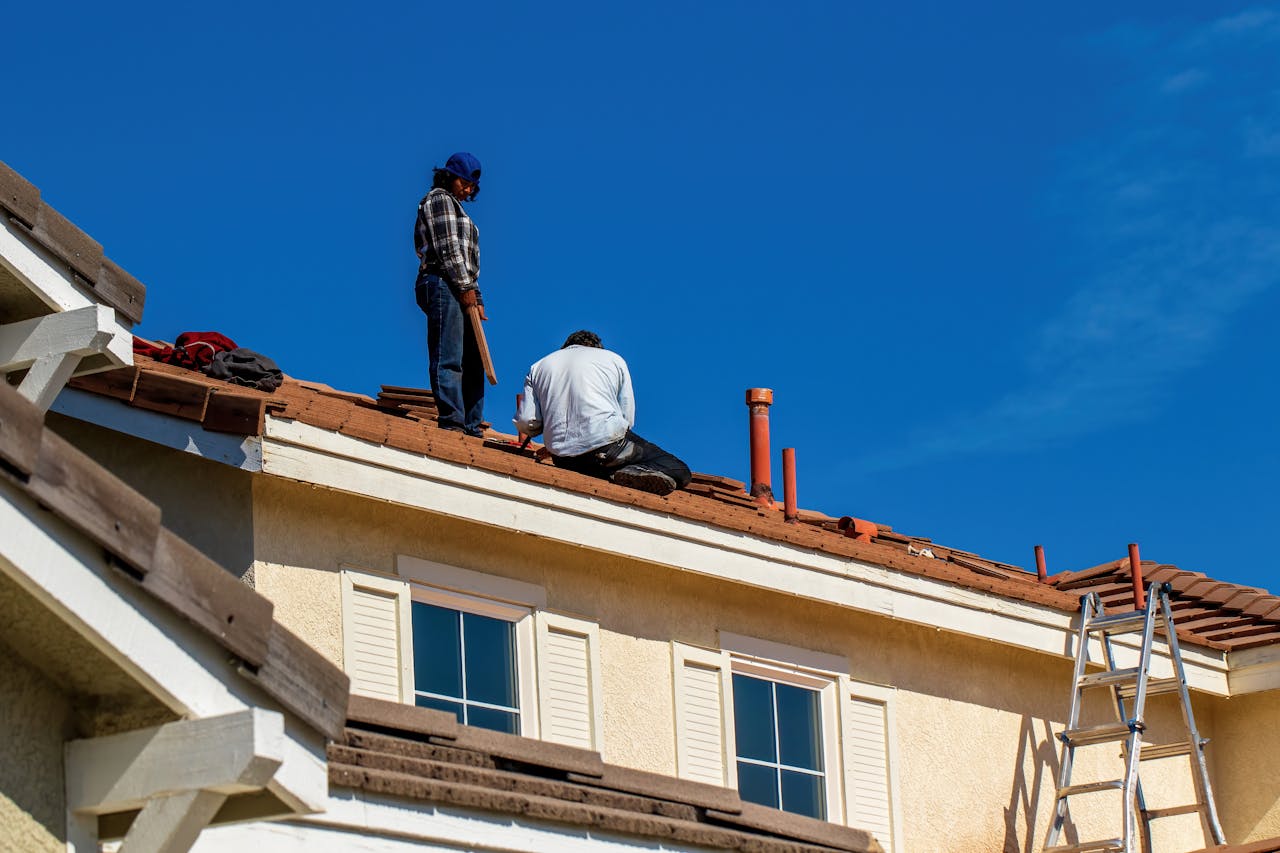
A roof shields the entire structure from rain, wind, and temperature changes. Minor damage can develop without drawing attention, yet it sometimes signals deeper issues within the roofing system. Spotting these signs early helps prevent structural damage and limits repair costs. Timely action keeps the roof stable and protects interior spaces from avoidable harm.
Delays in addressing roofing issues can lead to water intrusion and material decay. A trusted roofing contractor can evaluate visible and hidden damage before it spreads. Early inspection ensures that small concerns are repaired before they turn into larger structural problems.
Visible Damage On Shingles
Shingles form the outer layer that protects the roof from external elements. When they start to break down, the roof becomes more vulnerable to moisture and environmental stress.
Common Shingle Issues
- Cracked shingles expose the surface beneath to water
- Curling edges indicate wear caused by heat or aging
- Missing shingles leave sections open to direct exposure
- Granule loss reduces resistance against sunlight and rain
Water Stains And Interior Indicators
Interior signs sometimes reveal roofing issues that are not visible from the outside. Water stains usually appear after moisture has already entered through damaged sections.
Interior Warning Signs
- Discolored patches on ceilings or upper walls
- Damp areas that remain even after drying attempts
- Peeling paint near rooflines
- Mold formation in attic spaces
Sagging Roof Sections
A sagging roofline suggests that the structure is under stress. This can occur when moisture accumulates and weakens the supporting framework. Any visible dip or uneven section requires prompt attention, as continued strain can affect the stability of the entire roof. Repairing these areas restores proper support and prevents further structural decline.
Increased Energy Usage
A damaged roof can disrupt indoor temperature control. Open gaps or worn materials allow air to escape, reducing insulation efficiency. This sometimes leads to higher energy use as heating and cooling systems compensate for the loss. Identifying and repairing these gaps improves energy performance and maintains indoor comfort.
Debris In Gutters And Drainage Problems
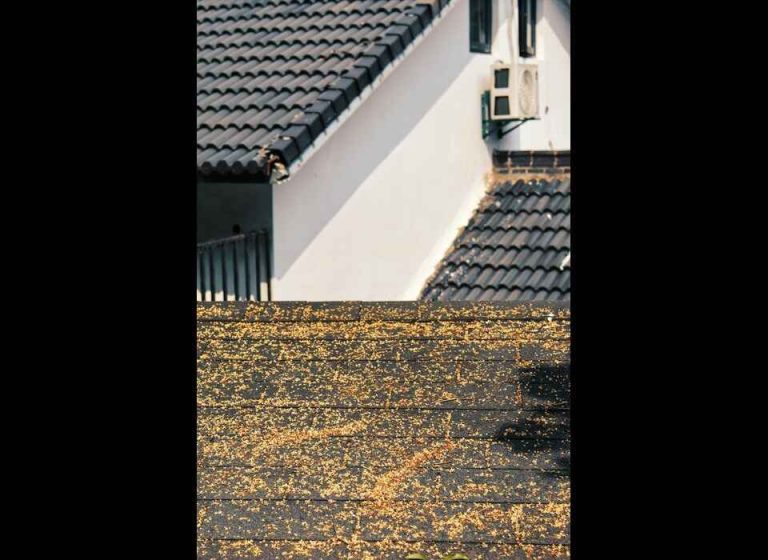
Roof wear sometimes becomes noticeable through debris buildup in gutters. Shingle granules and fragments collect as materials begin to deteriorate. Blocked gutters can also cause water to back up and remain on the roof surface, increasing the risk of leaks.
During inspection, a trusted roofing contractor can identify whether debris is a sign of normal wear or active damage. Proper drainage and material condition both play a role in preventing water-related issues.
Flashing And Sealant Failures
Flashing protects areas where the roof meets other structures, such as vents and chimneys. When flashing loosens or cracks, water can enter through these joints. Sealants around these areas may also degrade over time, creating additional entry points for moisture. Repairing these vulnerable sections helps maintain a watertight seal.
Key Factors To Consider When Hiring A Roofing Contractor
A roofing contractor should have valid licensing, proper insurance, and proven experience handling early-stage roof damage. A clear inspection process, detailed repair scope, and transparent cost breakdown show a structured approach to resolving issues. Strong material knowledge and consistent workmanship help ensure repairs address the underlying cause and reduce the risk of future damage.
Roof damage sometimes begins with small, visible signs that are easy to overlook. Shingle wear, interior stains, sagging sections, and drainage issues all indicate the need for repair. Addressing these signs early prevents structural problems and extends the lifespan of the roof. Regular inspection and timely repairs keep the roofing system reliable and effective.