
In today’s fast-paced world, our homes have become more than just places to rest—they are spaces where we recharge, reflect, and express ourselves. Increasingly, people are seeking ways to blend creativity with mindful living, transforming their environments into spaces that nurture both the mind and the soul. This approach is about more than just aesthetics; it’s about creating a home that supports mental clarity, emotional balance, and personal growth.
By combining creative expression with mindfulness, our living spaces can become extensions of our inner selves. Every choice, from the arrangement of furniture to the selection of decor, contributes to an atmosphere that encourages calm, focus, and inspiration.
Understanding Mindful Living at Home
Mindful living is the practice of paying attention to the present moment and engaging with your environment intentionally. At home, this can involve conscious decisions about what you keep, how you organize your space, and how you interact with your surroundings. The goal is to reduce clutter, eliminate distractions, and cultivate a sense of serenity.
For many, mindfulness begins with small habits. Lighting a candle in the evening, dedicating a corner for reading, or establishing a morning ritual can all create a sense of routine and presence. The physical environment plays a crucial role in supporting these habits. Spaces that are thoughtfully arranged, visually pleasing, and personally meaningful encourage mindful reflection naturally.
Mindful living is not about perfection or rigid rules. It is about being aware of how your home affects your mood and behavior and making adjustments that promote well-being. Simple changes, like adding greenery or optimizing natural light, can have profound effects on both mental and physical health.
The Role of Creativity in a Mindful Home
Creativity is more than a hobby—it’s a way to infuse life into your living space and engage with it actively. Incorporating creative elements in your home allows for personal expression, making each room feel unique and intentional. This could be through handmade decor, DIY projects, or curated collections that reflect your personality.
Creative living also encourages problem-solving and adaptability. Choosing how to arrange furniture, selecting color palettes, or even deciding on seasonal decor can become opportunities to engage your mind and senses. When approached thoughtfully, creativity enhances mindfulness by connecting action with awareness.
Incorporating creativity doesn’t have to be complicated. Even small gestures, such as displaying personal photographs, rotating plants, or experimenting with textures, can make a noticeable difference. The key is to focus on what resonates with you personally and to create a sense of harmony rather than clutter.
Wall Art and Its Impact on Mindful Living
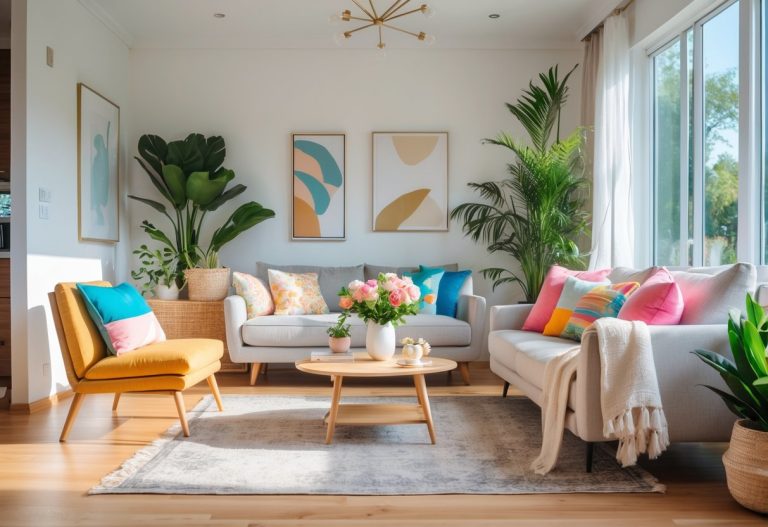
One of the most effective ways to combine creativity and mindfulness in the home is through wall art. Art has a unique ability to transform a space, influence mood, and spark introspection. A carefully chosen piece can serve as a focal point, a conversation starter, or a source of inspiration.
Wall art can affect more than just the aesthetic of a room. Colors, shapes, and imagery influence emotions and even energy levels. For instance, soft blues and greens can induce calm and relaxation, while bold reds and yellows may stimulate creativity and energy. Displaying meaningful artwork encourages mindfulness by prompting viewers to pause, observe, and reflect.
When selecting wall art, it’s important to consider both visual appeal and personal significance. Pieces that evoke memories, ideas, or emotions create a deeper connection to your space. Choosing from a provider that offers thoughtfully curated collections, such as Art by Maudsch, can bring both visual delight and a sense of personal expression into your home. These works not only enhance creativity but also encourage mindfulness, turning everyday moments into opportunities for reflection and inspiration.
Creating a Space That Encourages Reflection
Beyond art, the layout and organization of a home are central to fostering mindfulness. Open, uncluttered spaces allow for movement, breathing, and focus. Conversely, crowded or chaotic environments can increase stress and reduce mental clarity.
Consider the placement of furniture and the flow of each room. Spaces that feel balanced and accessible encourage presence and engagement. Creating a designated area for reflection or meditation—no matter how small—can be transformative. A quiet nook with natural light, a comfortable chair, and a few personal items allows for regular moments of stillness and introspection.
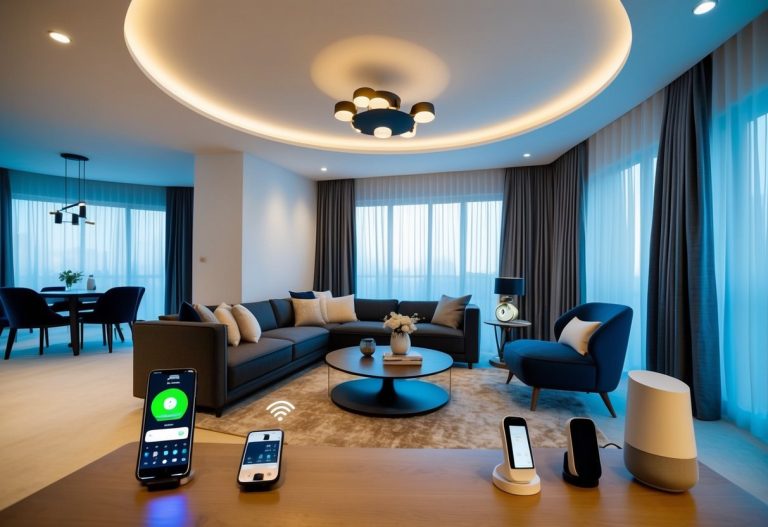
Lighting also plays a crucial role in mindful living. Natural light supports circadian rhythms and improves mood, while layered artificial lighting can create warmth and ambiance. Thoughtful lighting choices enhance the overall feeling of the home, reinforcing a sense of calm and intentionality.
Engaging the Senses Through Creativity
Mindful living thrives when all the senses are engaged. Creativity can enhance this by introducing textures, scents, sounds, and visuals that delight and inspire. Soft textiles, aromatic candles, and gentle background music all contribute to a multi-sensory environment that promotes presence.
Decor choices, such as handcrafted items, pottery, or woven materials, bring tactile engagement into everyday life. These elements encourage interaction and awareness, making routine moments feel more intentional. The combination of visual beauty, physical texture, and mindful attention creates a holistic experience, elevating the energy of the home.
The Benefits of Mindful Creativity
Integrating creativity and mindfulness in the home has tangible benefits. Emotionally, it reduces stress and promotes a sense of calm. Psychologically, it improves focus, cognitive flexibility, and problem-solving skills. Physically, thoughtfully designed spaces can support better sleep, relaxation, and overall well-being.
Moreover, engaging with your environment creatively encourages a stronger sense of ownership and pride in your home. A space that reflects your values and personality can inspire daily joy and a feeling of accomplishment. By balancing aesthetics with intention, you transform the home into more than a shelter—it becomes a sanctuary.
Practical Tips for Combining Creativity and Mindfulness
- Declutter and Prioritize: Remove items that don’t serve a purpose or bring joy. Keep what enhances your well-being.
- Incorporate Art Thoughtfully: Choose pieces that evoke emotions, memories, or inspiration. Rotate or change them seasonally.
- Engage in DIY Projects: Personal touches, like painted walls or handmade decor, create meaningful connections with your space.
- Create Reflection Zones: Dedicate small areas for meditation, reading, or journaling. Ensure comfort and minimal distractions.
- Use Lighting Intentionally: Combine natural and artificial light to create ambiance and support circadian rhythms.
- Bring Nature Inside: Plants, flowers, and natural materials enhance mindfulness and promote a sense of calm.
- Mix Textures and Colors: Use creativity to design spaces that are visually and tactilely engaging without overwhelming.
Conclusion
The intersection of creativity and mindful living offers a path to a more intentional, fulfilling home environment. By thoughtfully designing spaces that reflect personal style, promote reflection, and engage the senses, we create environments that support both mental and emotional well-being. Incorporating elements like wall art, thoughtful lighting, and tactile decor fosters mindfulness in everyday life.
Ultimately, a mindful home is not about perfection—it is about presence. Every choice, every detail, and every creative touch contributes to an environment that nurtures the soul, sparks inspiration, and allows for a deeper connection to ourselves and the spaces we inhabit.