Household plumbing drain
Late summer is a busy time. You can expect a lot of cookouts and outdoor activities and perhaps more laundry days and bigger loads. If you suddenly encounter a clog, it may be because your pipes are dealing with more use than usual. If you experience even minor symptoms of a clog or slow drainage this time, it’s important not to overlook them. A minor clog now could become a nasty surprise later this season.
Spot Indoor Clogs Before They Spread
In your kitchen, warm grease goes down the pipes and solidifies as it cools. That grease then attracts food residue and other materials to build up in the pipe. Slow draining could indicate a clog that’s in the process of forming.
Kitchen clogs form with materials other than grease and cooking fat. Some of the culprits may surprise you, including soap suds, coffee grounds, and food particles.
These are the primary symptoms of a kitchen drain clog:
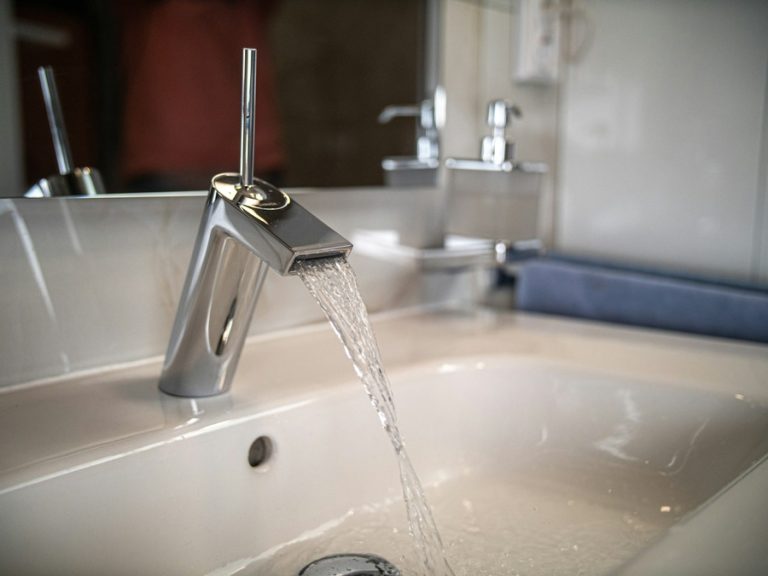
- Slow drain after a party. It’s not unusual for the kitchen sink to drain slowly one time. However, if it’s been slow lately, you can assume there’s a partial clog in the line.
- Sink backup. If the water rises in the sink as the other sink is in use, there may be a clog somewhere other than in the sink traps.
- Stinky sink. If there was a clog in the sink, you’d have an odor problem. If the stink returns quickly after unclogging, however, you likely still have grease buildup in the line.
- Garbage disposal won’t drain. If the disposal is still working but is backing up, you can assume there’s a clog somewhere further down the drain line.
- Dishwasher backs up into the sink. In many homes, the dishwasher and sink drains are connected, which means that a blocked drain could cause water to back up into one or both.
Resist the urge to pour copious amounts of chemicals into the drain. If they’re not strong enough to reach the clog, they’ll just sit in the line waiting to make a repair more difficult. If the above symptoms persist, it’s time to call a professional.
In the shower, a clog forms as hair and soap scum accumulate to create a mat of debris. This may happen in the drain itself or further down the drain line.
Shower clogs don’t tend to happen suddenly. Instead, they develop over time and start with only a little standing water in some spots, and later progress to standing water that takes minutes to drain.
Clearing the clogged drain of hair may be all that is needed in this situation, but if you have this problem often, it’s time to call in help. Slow drains in multiple places and gurgling noises are other symptoms of drain line problems in your bathroom.
Washing machines dump large volumes of water into pipes during the drain cycle. Over time, the standpipes can develop partial clogs of lint and detergent residue.
When these clogs occur, the washer may seem to be working normally. If you restart it, it will likely overflow again because the machine is actually doing its job. It’s just that the pipe can’t accept that much water all at once. The water then backs up into other fixtures, depending on where the obstruction is.
To determine if the laundry line or the main line is clogged, note what the other fixtures do when the machine tries to drain. If the utility sink, toilet, and shower drain all back up at once, there’s a problem somewhere between the washer and the main line.
Clear Surface Debris and Track Outdoor Pooling
Outdoor property drainage
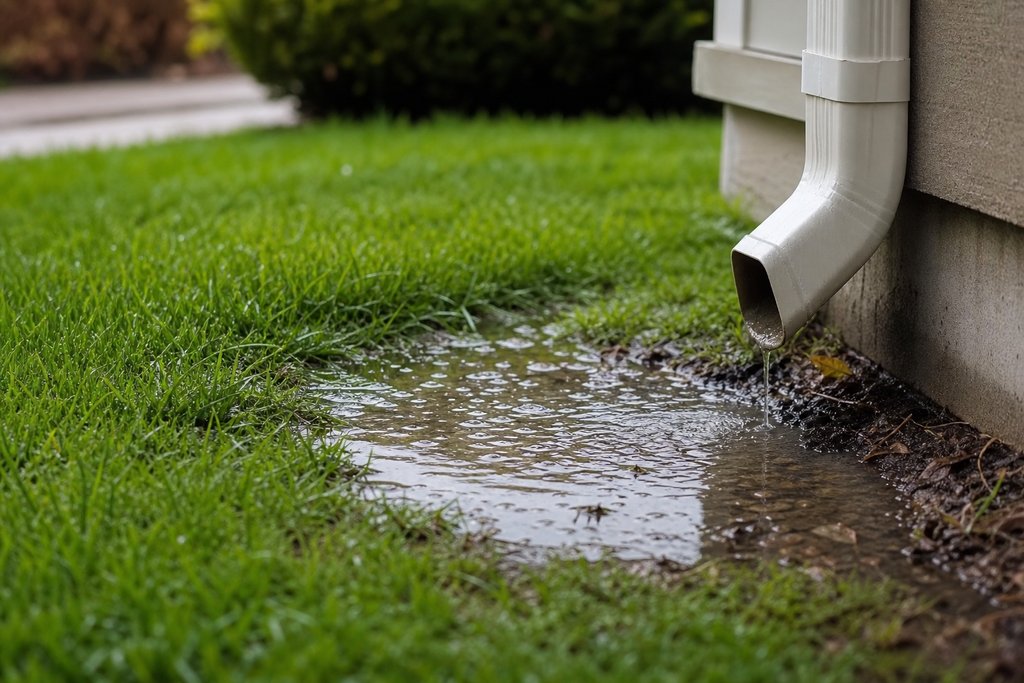
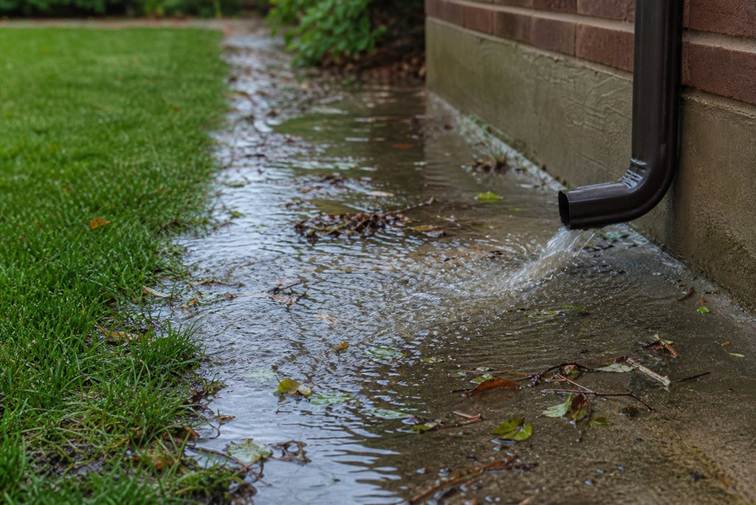
Drainage issues can be more complex in your yard. During and after heavy rainstorms, pay attention to where water drains around your home and yard – Forbes explains the why of it at forbes.com/home-improvement, including near the foundation, around patio areas, and at drain covers.
Describe the Pattern Before the Visit
Local professionals or Hickory North Carolina Plumbers who knows how to address and investigate any type of clog will be able to inspect and clear obstructions. You can help them by being able to describe what’s happened. For instance:
- Which fixture or fixtures are affected?
- Do the symptoms happen in more than one fixture at once?
- Has slow drainage coincided with specific activities, like cooking or doing laundry?
- Have you noticed any strange noises or smells?
Skip DIY Fixes When Several Fixtures Back Up
Other situations that need a professional drain service include when you have a recurring clog problem, more than one fixture is draining slowly or backing up, you’ve seen raw sewage from the backup, or if water collects after a rain and stays in the same spots, especially if the water comes toward the house or floods the area. If you’re experiencing symptoms that indicate clogged drains, make notes on what you’ve seen and when it happened before calling in a pro. Also record when you last had proper drainage and if it’s coincided with heavy rain. This info will help to determine the source of the problem.
Contact a professional to investigate drainage issues and to make sure your home is ready for another busy weekend.