Key Takeaways:
- Biophilic design has major health and economic value: Integrating natural elements into your home has measurable physiological benefits and can even boost property value, with homes featuring biophilic elements commanding an approximate 8% price premium.
- Low-maintenance plants are leading the trend: Driven by a nearly 48% surge in demand among millennial buyers, easy-care varieties like pothos, snake plants, and ZZ plants are favored for their ability to thrive with minimal attention.
- The “Rule of Three” defines a good vignette: A successful intentional grouping requires variety in height, texture, and material—typically anchoring on a tall element, a medium element, and a low element.
- Style for your actual light, not your wishlist: Avoid plant failure by assessing the real light conditions of your space (e.g., north vs. south-facing) and matching species to those specific conditions.
- Elevate plants with intentional styling details: Use natural pot materials (terracotta, concrete, woven baskets), vary vessel sizes for depth, include non-plant items like books or candles, and edit ruthlessly to avoid clutter.
You don’t need a sprawling home, a green thumb, or a degree in interior design to pull off something genuinely beautiful. You just need the right plants, the right spots, and a little intention.
Let’s be real — most of us are not gardeners. We forget to water things. We put plants in corners that get zero light and then feel personally betrayed when they die. But biophilic design isn’t asking you to become a plant parent of thirty. It’s asking you to bring a little nature indoors in a way that actually works for your life and your space. And if you live in a small apartment or a compact home, that’s a feature, not a flaw. Small spaces force intentionality, and intentionality is exactly what makes a vignette look curated instead of cluttered.
Why Biophilic Design Is Having Such a Huge Moment Right Now
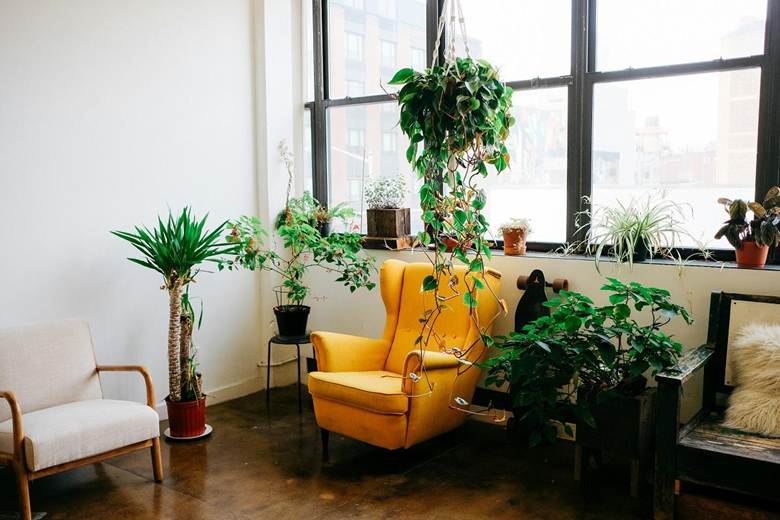
“Biophilic design” sounds like something a therapist who also does interior decorating might say. But the concept is pretty simple: it’s the practice of weaving natural elements — plants, textures, light, water — into the built environment. And it turns out humans are genuinely hardwired to feel better around nature. Not metaphorically. Physiologically.
The data is starting to catch up with what plant lovers have known for years. According to the Indoor Plants Market Outlook published by Global Growth Insights in early 2026, demand for low-maintenance and air-purifying plants jumped by nearly 48% among millennial buyers, driven by growing awareness of the health and environmental benefits of living with greenery.
That’s not a niche hobby creeping into the mainstream — that’s a mainstream shift happening in real time. And it makes sense. If your home feels like a beige box, you’re going to feel like you live in a beige box. Adding even a single well-placed plant can shift the atmosphere of a room in a way that’s hard to explain but impossible to ignore.
The flip side of that surge? People are picking plants smarter. That 48% jump isn’t in orchids and finicky fiddle-leaf figs. It’s in the easy-care workhorses — pothos, snake plants, ZZ plants, peace lilies — the ones that look beautiful and genuinely don’t need that much from you.
Your Home Is Worth More With Plants In It (No, Really)
Here’s a stat that might make you see your trailing pothos in a completely different light. According to Kukun’s 2026 real estate analysis, which tracks renovation ROI across major metro areas, homes with documented biophilic features are currently commanding a price premium of around 8% above comparable standard listings.
Eight percent. On a $400,000 home, that’s $32,000. Now, to be fair — a few succulents on a windowsill won’t make your listing agent call with wild news. The data skews toward more structural changes: living walls, integrated planters, natural material finishes. But the underlying principle holds even at small scale: spaces that feel alive and connected to nature are genuinely more desirable. That desirability has economic weight.
For renters and small-home owners who can’t install a moss wall, this is still good news. You’re investing in your daily quality of life — and if you ever sell or move, the aesthetic habits you build translate directly into staging instincts that photograph beautifully.
What Makes a Vignette, Exactly?
A vignette is a small, intentional grouping of objects — usually three to five items — that tells a little story together. Think of it like a tiny scene rather than a collection of things sitting near each other because they ran out of room on the shelf. Good vignettes have variety in height, texture, and material. They usually anchor on something structural (a plant, a lamp, a piece of art) and build around it.
In biophilic styling, the plant is almost always the anchor. Everything else — the ceramic pot, the woven tray, the stack of books — exists to frame it and make it feel like it belongs there, not like it was placed and forgotten.
The rule of three: one tall element, one medium, one low. A floor plant, a tabletop plant in a textured pot, and a trailing vine spilling over a shelf. That’s a complete vignette.
8 Biophilic Vignettes That Actually Work in Small Homes
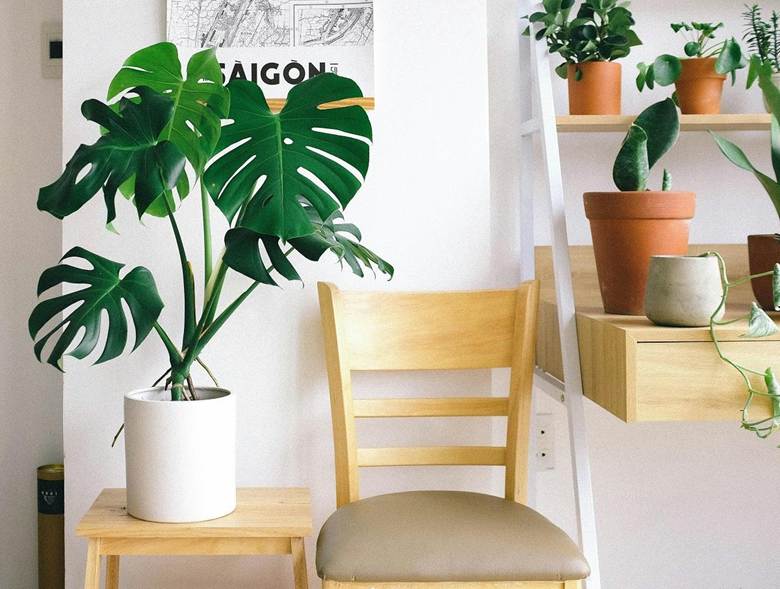
Here are eight styling approaches that pair well with low-maintenance species and work even when your square footage is genuinely modest.
1. The Shelf Drop
A trailing pothos or heartleaf philodendron on a floating shelf, spilling downward. Pair with a raw clay pot and a stack of books or a small candle. No fuss, massive visual payoff.
2. The Corner Stack
A tall snake plant in a woven basket, a ZZ plant on a plant stand beside it, and a trailing string of hearts at the base. Three heights, three textures, one corner transformed.
3. The Window Ledge Line-Up
A row of small succulent pots along a windowsill, each in a slightly different vessel — terracotta, ceramic, concrete. The variety in material gives it a collected-over-time feel.
4. The Bathroom Spa Moment
A peace lily or aloe vera on a small shelf near the shower. Bathrooms are often neglected in plant styling but respond beautifully — the humidity helps, too.
5. The Dining Table Centerpiece
A low-profile ZZ plant or propagation station with trailing cuttings in a glass vase. Keep it below eye level so it doesn’t interrupt conversation across the table.
6. The Work-From-Home Corner
A snake plant beside the desk (great for filtering air), a small succulent on the desk surface, and a trailing plant on a nearby shelf. Your video calls just got more interesting in the background.
7. The Entry Welcome
A single bold floor plant — a pothos in a tall planter, or a cast iron plant for truly dark entryways — positioned to greet you the moment you walk in. One plant. Enormous effect.
8. The Bedroom Nightstand Nook
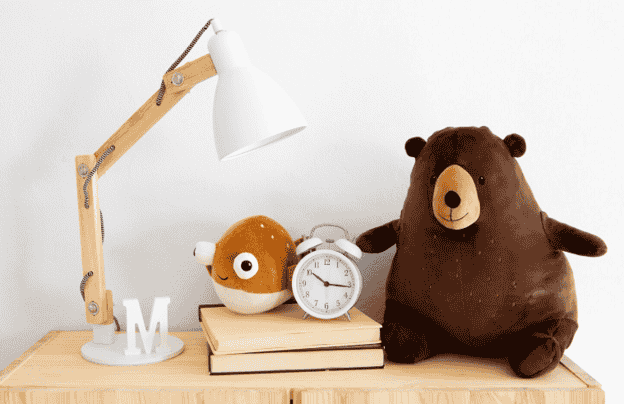
A small, low-light plant like a pothos cutting in water or a spider plant on the nightstand beside a lamp and a book. Keeps scale small so it doesn’t feel crowded on limited surface space.
Choosing the Right Plants for Your Light (Not Your Wishlist)
This is where a lot of plant styling goes wrong. People fall in love with a plant that needs six hours of bright indirect light and put it in a north-facing corner that gets forty-five minutes of gray on a good day. The plant declines slowly. The person feels like a failure. None of that has to happen.
The best thing you can do before buying anything is spend a day noticing where the light actually falls in your home — not where you assume it falls. East-facing windows get soft morning light. West-facing get stronger afternoon sun. North-facing rooms get consistent, cool indirect light that a surprising number of plants love. South-facing rooms are the jackpot.
For a comprehensive breakdown of which species match which light conditions, the guide on incorporating low-maintenance plants into biophilic interiors goes deep on specific care profiles so you can match species to your actual conditions, not your aspirational ones.
The Styling Details That Make It Feel Intentional
Beyond the plants themselves, the objects around them carry a lot of the weight in making a vignette look designed rather than accidental.
Pot material matters more than pot color.
Terracotta, concrete, woven seagrass, matte ceramic — natural materials read as intentional. Shiny plastic pulls the whole thing back toward “temporary.” If you love a plastic nursery pot for practical reasons, drop it inside a more beautiful vessel.
Vary your vessels in scale.
Three plants all in the same-sized pot look like a product display. Make one noticeably larger, one medium, one small. The size difference is what gives a grouping depth.
Include something non-plant.
A plant against a raw wood surface, a stack of books, a piece of driftwood, or a simple candle is what makes a vignette feel complete. The plant needs context.
Edit ruthlessly.
The biggest mistake in small-space plant styling isn’t having too few plants — it’s having too many competing for attention. A single beautiful plant, well-placed, is more powerful than six mediocre ones crowded together.
The Low-Maintenance Promise Is Real — But You Have to Pick Right
The 48% surge in demand for easy-care plant varieties reflects a genuine shift in how people are thinking about plants in their homes. The era of aspirational plant ownership (I will definitely water this maidenhair fern twice a week) is giving way to something more honest: plants that fit into real lives and real schedules.
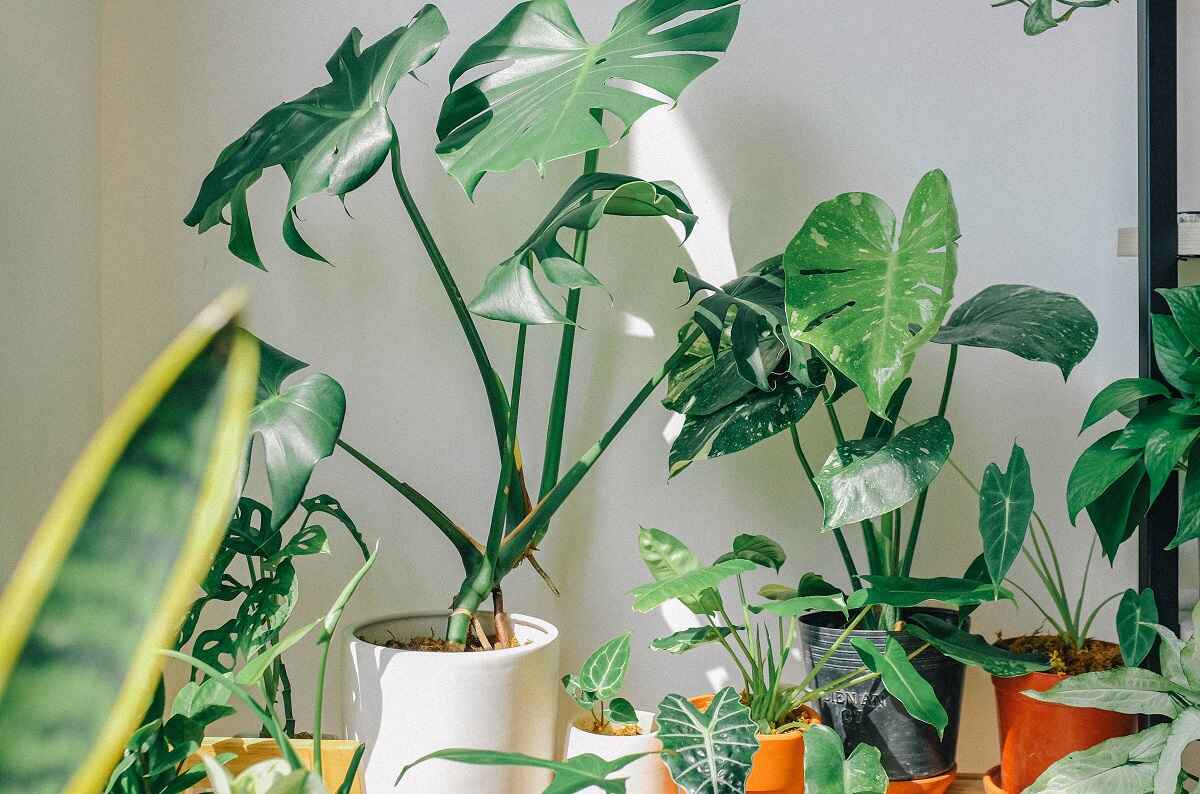
The good news is that the most low-maintenance plants are also some of the most beautiful and versatile for styling. Pothos are practically unkillable and trail magnificently. Snake plants are architectural and tolerant of almost total neglect. ZZ plants handle low light and irregular watering with zero drama. Peace lilies will literally wilt visibly when they need water and perk back up within hours of a drink — they basically tell you what they need.
These aren’t compromise plants. They’re the smart picks — the ones that stay alive and stay beautiful over the long run, which is exactly what a biophilic home needs. A dead plant is the opposite of biophilic design.
Start Somewhere Small and Build From There
If you’re just getting started, pick one spot and do it well. Not ten spots. One. Choose a surface or corner you actually engage with every day — the kitchen counter where you make coffee, the corner of your desk, the entry table you touch every time you come home.
Put one good plant there in one good pot. Add one complementary object. Step back and look at it for a few days. Notice how it changes the feeling of that small zone. Then, when you’re ready, pick the next spot.
Biophilic design in small homes is really just a series of small decisions stacked on top of each other until the whole space feels like somewhere you genuinely want to be. You don’t need to transform everything at once. The plants you pick don’t need to be demanding, rare, or complicated. They just need to be alive.