Highlights:
- Residential energy consumption is on a sustained upward climb in 2026, making the cost of inaction higher than the cost of starting with even small, inexpensive upgrades.
- Smart thermostats are the single highest-ROI low-disruption upgrade available, saving 10–23% on heating and cooling costs with a self-install that takes under an hour.
- Air sealing — caulking, weatherstripping, foam gaskets — is the unsexy but essential first step before any mechanical upgrade, and costs under $100 in materials.
- Efficiency works best as a layered strategy: behavioral tweaks first, then sub-$100 swaps, then smart devices, then equipment-level improvements — each layer amplifying the one below.
- Water efficiency is energy efficiency; low-flow fixtures and hot water pipe insulation cut energy use without touching the heating system, often at little to no cost.
Most of us don’t have weeks to rip apart our kitchens, live without a functioning bathroom, or manage a rotating crew of contractors traipsing through the house. Life is full. The kids have practice on Tuesday, you’re working from the dining table on Wednesday, and by Thursday the dog has somehow gotten into the paint samples you left on the floor. Major renovation? Not exactly on the agenda.
The good news: you don’t need a gut renovation to make a meaningful dent in your home’s energy use. Some of the smartest, most impactful upgrades are the ones that slip quietly into your daily life — installed in an afternoon, running in the background, and showing up on your utility bill a month later. Here’s how to think through the options, backed by what the data is actually telling us in 2026.
Why Now Is the Right Time to Act (Even Without the Budget for a Full Reno)
If you’ve been putting off efficiency upgrades because they feel overwhelming or expensive, two trends from this year make a strong case for reconsidering — even at the small-scale level.
First, residential energy consumption in the United States isn’t slowing down. According to the U.S. Energy Information Administration, residential energy use is projected to climb an additional 1% in 2026, building on a 2% increase in 2025 and continued expansion of overall electricity demand. That trajectory matters because it signals rising costs are here to stay. If your home is running on aging systems and inefficient habits, the gap between what you’re spending and what you could be spending only widens over time.
Second — and this is where it gets genuinely interesting for the “no-reno” crowd — smart home technology has moved well past the novelty phase. Connected thermostats, for instance, are now documented to save households anywhere from 10% to 23% on annual heating and cooling costs by learning occupancy patterns and syncing with utility demand-response signals. That’s not a marginal win. For the average household spending $1,000–$1,500 per year on heating and cooling alone, that’s real money back in your pocket — from a device you can install yourself in under an hour.
The clear takeaway from both data points: energy costs are rising, and the tools to offset them are more accessible than ever. You don’t need a contractor to get started — you need a plan.
Start With the Thermostat: The Easiest Win in the House
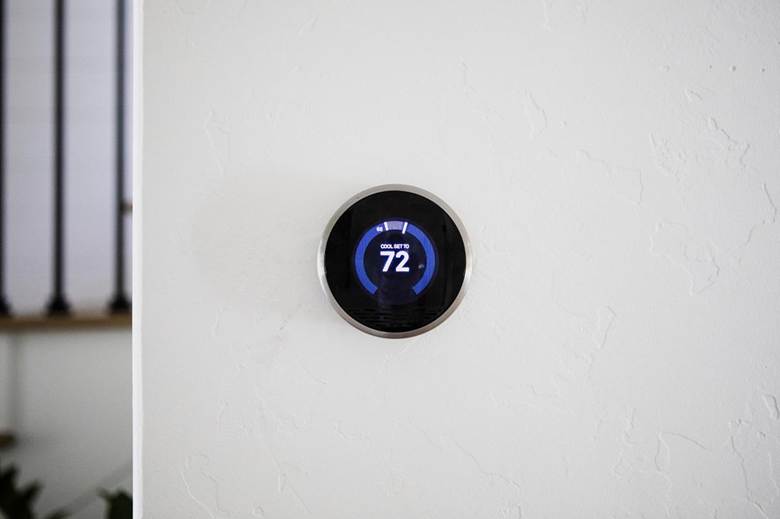
If there’s one upgrade that consistently punches above its weight, it’s the smart thermostat. We’re not talking about the basic programmable kind from fifteen years ago — the new generation learns your schedule, adjusts for the weather, and can be controlled from your phone when you’re stuck late at the office.
The installation process is genuinely low-disruption. Most smart thermostats replace an existing unit in 30–45 minutes, require no new wiring in the majority of homes, and connect to your Wi-Fi network during setup. By the next morning, they’re already starting to learn your patterns.
What makes this upgrade especially compelling for busy households is the set-it-and-forget-it nature of it. Unlike behavioral changes that require ongoing discipline (yes, we all mean to turn down the heat before bed), a smart thermostat automates the decision. The savings accumulate without you thinking about it.
For households that want to layer in even more intelligence, thermostat geofencing is worth exploring. Geofencing features — which detect when you’ve left or returned home using your phone’s location — can add another 7–12% in energy savings on top of what a standard smart thermostat already delivers. That’s a meaningful add-on that costs nothing extra if your device already supports it.
Seal the Envelope Before You Upgrade the System
Here’s a counterintuitive piece of advice from efficiency professionals: before you invest in a new HVAC system, heat pump, or fancy insulation project, make sure you’re not leaking the energy you already have.
Air sealing is the unsexy cousin of the major renovation — but it’s one of the highest-ROI moves a homeowner can make. We’re talking about caulking around window frames, weatherstripping door gaps, adding foam gaskets behind outlet covers on exterior walls, and sealing the attic hatch. None of these tasks require a contractor, and the materials typically run under $100 total.
Why does this matter so much? Because upgrading to a high-efficiency heating system in a leaky house is like buying a premium water bottle and leaving the cap off. The efficiency gains are partially negated by the air you’re conditioning and then losing through gaps in the building envelope.
A practical checklist for a weekend afternoon:
- Windows and doors: Run your hand around the frame on a windy day. Feel a draft? Caulk it.
- Outlets and switches on exterior walls: Remove the cover plate, check for gaps around the electrical box, and add a pre-cut foam gasket.
- Attic access: This is one of the most underestimated heat-loss points in a house. A simple weatherstripped cover makes a noticeable difference.
- Basement rim joists: If you have an unfinished basement, the rim joist (where the house frame meets the foundation) is a major source of cold air infiltration. Spray foam or rigid foam cut-to-fit handles it quickly.
None of these require you to tear anything open. They’re genuinely one-afternoon projects that start paying off the next utility cycle.
LED Lighting: Still Worth Mentioning Because Too Many Homes Haven’t Done It
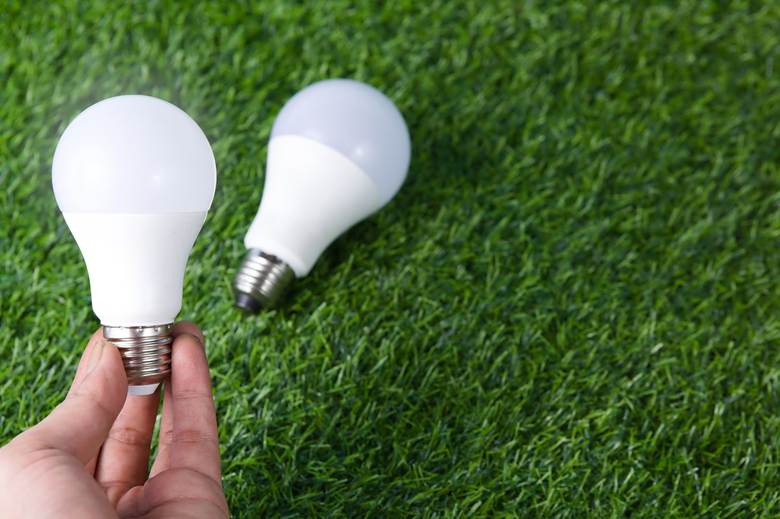
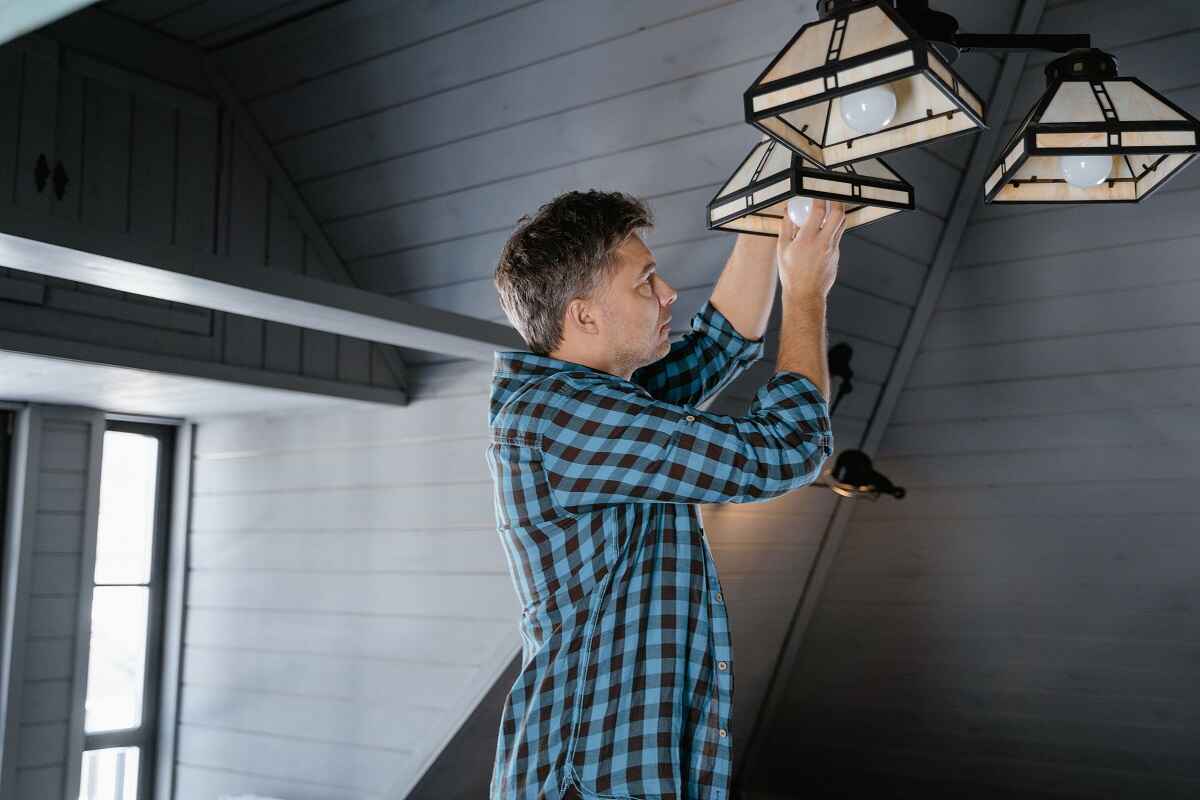
It feels almost quaint to bring up LED lighting in 2026, but the data suggests a surprising number of households still have incandescent or CFL bulbs in at least part of their home. If that’s you, this is the lowest-friction upgrade on this list.
LED bulbs now last 15–25 times longer than incandescent equivalents and use roughly 75% less energy. There’s no installation involved — you swap the bulb. The upfront cost has dropped to the point where the payback period is measured in months, not years.
The higher-impact move here is pairing smart LED bulbs or smart switches with motion sensors or automations — lights that turn off automatically when a room is empty, or dim on a schedule in the evening. For households with kids who leave every light in the house blazing, this is less of a convenience feature and more of a sanity saver.
Low-Flow Fixtures: Water Efficiency Is Energy Efficiency
This connection often gets overlooked: heating water accounts for roughly 18% of a typical home’s energy use. That means any upgrade that reduces how much hot water you use also reduces energy consumption — without touching your heating system at all.
Low-flow showerheads and faucet aerators are inexpensive, install in minutes, and in many utility districts, you can get them free through conservation programs. Modern low-flow showerheads have also come a long way — the pressure difference is minimal compared to older models, which is what turned many people off the idea years ago.
If your water heater is more than ten years old, a tankless unit is worth evaluating — though that does cross into “minor renovation” territory and likely requires a professional. For now, a simple insulating wrap for your existing tank and pipe insulation on the first few feet of hot water piping are no-install tweaks that reduce standby heat loss.
Where to Go Deeper: Upgrades That Deliver Fastest
If you’re ready to move beyond the quick wins and start thinking about which medium-investment upgrades deliver the most return in the shortest time, the sequencing really matters. Not every efficiency project has the same payback period, and some “obvious” upgrades (like new windows) often have longer returns than homeowners expect.
For a well-researched breakdown of which eco-friendly home efficiency upgrades pay off the fastest in 2026, that resource maps out the hierarchy clearly — from envelope improvements down to mechanical system upgrades — with real numbers behind each recommendation. It’s worth a read before you commit budget to any project.
The Mindset Shift That Makes All of This Work
The biggest obstacle to home efficiency for busy households isn’t money or knowledge — it’s the framing. When people hear “efficiency upgrade,” they picture a weeks-long project with a five-figure price tag. But the most effective approach treats efficiency as a layer cake: you start with the zero-cost behavioral tweaks, add the sub-$100 sealing and swap projects, layer in the smart devices, and then — when the budget and timing allow — move up to the equipment-level improvements.
Each layer amplifies the one below it. A smart thermostat works harder in a sealed house. A new heat pump performs better in a house with good insulation. And all of it delivers better results when the lighting and water heating are already dialed in.
You don’t have to do everything at once. You just have to start somewhere — and in 2026, with energy costs trending upward and smarter tools than ever available at the hardware store, the cost of waiting is higher than the cost of starting small.
Pick one thing from this list. Do it this weekend. Then pick the next one.
That’s how efficient homes actually get built — not all at once, but one low-disruption upgrade at a time.