
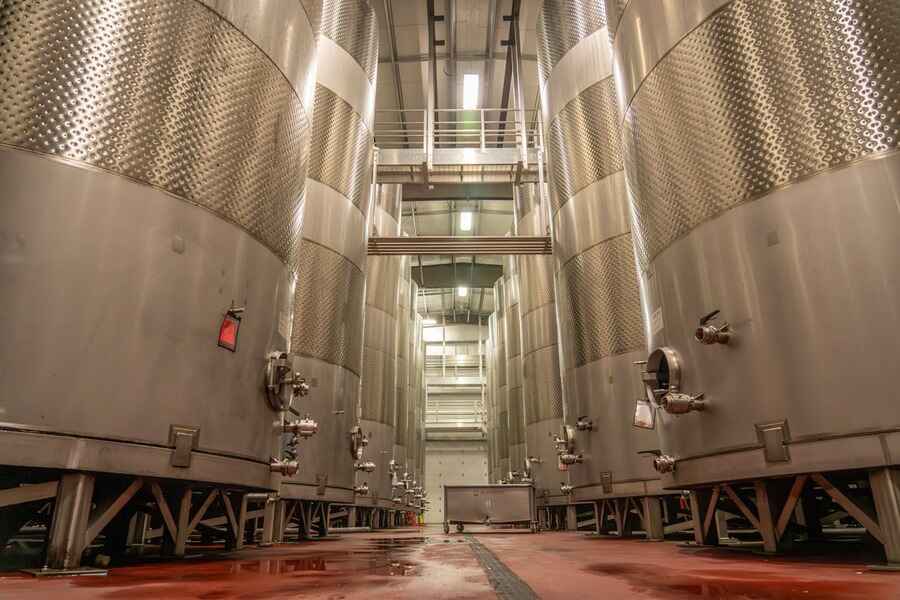
Small Components, Big Impact
When people think about industrial tank systems, they usually picture the big stuff. Massive tanks. Pumps. Valves. Complex piping networks.
But the truth is a little different.
Sometimes the smallest components quietly determine whether a system runs smoothly or becomes a constant source of headaches.
Tank fittings fall squarely into that category. They don’t always get the spotlight, yet they play a huge role in how efficiently a system operates. A well-designed tank system relies on tight connections, consistent flow, and reliable pressure control. And all of that often comes down to the fittings holding everything together.
Ignore them, and problems start to creep in. Small leaks. Pressure loss. Product waste. Extra maintenance. Before long, what seemed like a minor detail becomes a costly operational issue.
So here’s a simple question worth asking. How much efficiency are you losing because of the smallest parts in your system?
Let’s take a closer look.
Understanding the Role of Tank Fittings in Industrial Systems
Tank fittings do more than simply connect pipes to tanks. They serve as the interface between storage systems and the rest of the process. In other words, they help control how liquids enter, move through, and exit a tank.
That might sound simple, but it’s actually critical.
In many industrial environments, tank systems handle sensitive materials, pressurized liquids, or products that require precise handling. Chemical plants, food production facilities, pharmaceutical labs, breweries, and water treatment operations all rely on well-designed tank connections to keep things moving safely.
Think about what happens inside a typical system. Fluids flow in, pressure builds, temperatures change, and equipment runs continuously. Every connection point has to handle that stress without failing.
This is where tank fittings prove their value.
They regulate flow paths, maintain structural integrity, and ensure that liquids move exactly where they need to go. When they work well, the system feels effortless. Everything flows as expected.
But when fittings are poorly designed or mismatched with the system? Problems show up quickly.
Leaks appear. Pressure drops unexpectedly. Maintenance crews get called in more often than anyone would like.
And suddenly the system isn’t so efficient anymore.
Why Material Choice Matters More Than Most People Realize
Not all fittings are built the same. The material used can make a massive difference in performance, especially in demanding industrial environments.
Plastic fittings, for example, can work in certain low-pressure systems. Brass might be suitable in some plumbing setups. But when you’re dealing with industrial tanks that handle chemicals, high temperatures, or strict sanitation standards, those materials often fall short.
Stainless steel tends to stand apart for a reason.
It resists corrosion even in harsh environments. It maintains structural strength under pressure. And perhaps just as important, it doesn’t react easily with the liquids moving through the system.
That combination makes it incredibly versatile.
Food and beverage facilities rely on stainless steel because it supports hygienic processing. Chemical operations value its resistance to corrosion and contamination. Water treatment systems appreciate its durability and longevity.
There’s also the long-term cost factor. While some alternative materials may appear cheaper at first, they often require more frequent replacement. Over time, those maintenance cycles add up.
Choosing the right material isn’t just about durability. It’s about stability. And stability leads directly to efficiency.
How the Right Fittings Improve System Efficiency
Efficiency in a tank system often comes down to flow. Liquids should move smoothly through the system without unnecessary resistance, pressure loss, or leakage.
When fittings are engineered properly, they help maintain that smooth movement.
Good fittings minimize turbulence inside the connection points. They maintain tight seals that prevent leaks. And they keep pressure consistent across the entire system.
The difference might seem subtle at first, but small improvements in flow can have a big impact over time.
Imagine a production facility running multiple tanks around the clock. Even a minor reduction in leakage or pressure loss can translate into measurable savings in energy, product retention, and maintenance hours.
And that’s why experienced engineers often pay close attention to these small components.
In many industrial setups, efficiency is determined by details that most people rarely notice. Choosing high-quality stainless steel tank fittings can help reduce leakage risks, maintain stable pressure, and support reliable performance across demanding processing environments.
It’s a small decision that quietly strengthens the entire system.
Preventing Downtime and Maintenance Issues
Downtime is one of the most expensive problems an industrial facility can face.
Production stops. Workers wait. Deadlines slip. And every hour of interruption carries a cost.
The frustrating part is that downtime often begins with something small. A worn seal. A loose connection. A fitting that couldn’t handle the pressure or temperature of the system.
Once a leak starts or pressure drops unexpectedly, technicians need to shut down equipment to investigate. Repairs follow. Sometimes replacements are needed.
And just like that, the day’s schedule changes.
Reliable fittings help prevent these situations before they start. Strong materials resist wear. Precision machining ensures tight connections. Properly designed seals maintain consistent pressure and prevent product loss.
When fittings hold steady under demanding conditions, maintenance teams can focus on proactive inspections rather than emergency repairs.
The result is something every operation wants.
Predictability.
Supporting Hygiene and Safety Standards
In many industries, efficiency is only part of the equation. Safety and cleanliness are just as important.
Food processing plants, breweries, dairy facilities, and pharmaceutical manufacturers all operate under strict hygiene standards. Any contamination risk can compromise an entire batch of product.
Tank fittings play a surprisingly important role here.
Smooth surfaces make cleaning easier. Corrosion resistance prevents bacterial buildup. Tight seals prevent external contaminants from entering the system.
Stainless steel is especially valuable in sanitary environments because it can withstand repeated cleaning cycles without degrading. High-temperature sterilization, chemical cleaning agents, and constant moisture exposure are all common in these settings.
And the equipment needs to handle it all without breaking down.
Reliable fittings help maintain clean flow paths while keeping the system sealed and secure. That means fewer contamination risks and fewer quality control issues.
Safety improves. Compliance becomes easier.
And the entire process runs more smoothly.
Choosing the Right Fittings for Your Tank System
So how do you know which fittings are right for your system?
It starts with understanding the environment your equipment operates in.
Pressure levels matter. Temperature ranges matter. The type of liquid moving through the system matters as well. Some fluids are highly corrosive. Others require strict sanitary handling.
Connection types are another important consideration. Threaded connections, welded fittings, and clamp systems all serve different purposes depending on the design of the tank and piping network.
Flow rate also plays a role. If fittings restrict movement too much, the entire system can become inefficient. On the other hand, poorly sealed connections can allow pressure to escape.
Compatibility with existing equipment should also be part of the conversation. A fitting that performs well on its own still needs to integrate smoothly with tanks, pipes, and valves already in place.
In many cases, selecting the right fittings is less about finding a universal solution and more about matching components carefully to the system they serve.
It’s a bit like assembling a puzzle. Each piece needs to fit perfectly for the picture to come together.
The Long-Term Value of Getting It Right
Industrial systems are built for the long haul.
Tanks, piping networks, and processing equipment often operate for years or even decades. Over that time, small design decisions begin to compound.
A poorly chosen component might seem harmless at first. But over months or years, it leads to repeated maintenance, replacement costs, and performance issues.
A well-chosen component does the opposite.
It stays reliable. It requires less attention. It supports stable system performance without drawing attention to itself.
Tank fittings fall into this category more often than people realize.
When they’re selected carefully, they strengthen the entire infrastructure of a tank system. Pressure stays stable. Connections remain secure. Maintenance teams spend less time troubleshooting minor issues.
And efficiency improves quietly in the background.
Efficiency Often Starts with the Details
Large industrial systems are impressive to look at. Towers of steel, networks of pipes, powerful pumps pushing liquids through complex processes.
But the real story often lives in the details.
Tiny connections. Sealing surfaces. Precision-machined threads. Small components doing their job hour after hour without recognition.
Tank fittings may not be the most visible part of a system, but they play a fundamental role in how everything operates.
When the right fittings are in place, systems run smoother. Maintenance slows down. Safety improves. Efficiency climbs.
And sometimes the biggest improvements come from paying attention to the smallest parts.