A strong roof protects a home from harsh weather and keeps the interior safe and comfortable. Over time, small issues can appear due to wear, storms, or minor accidents. These problems may look serious at first, but many of them do not require a full replacement if addressed early and correctly.
Homeowners can save time and money by choosing the right solution for minor damage. Professional roof repair services play a key role in restoring strength and appearance without the need for major work. This article explains the types of roof damage that can be fixed and how experts handle each situation effectively.
Minor Shingle Damage and Surface Wear
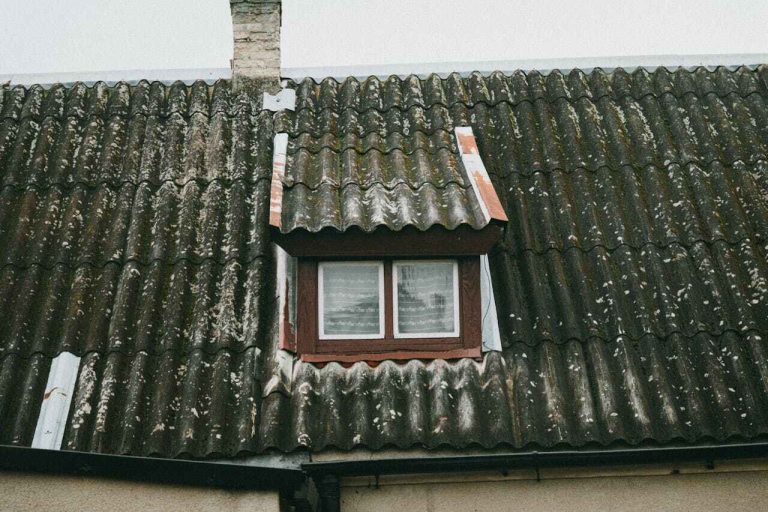
Shingles face direct exposure to sunlight, wind, and rain, so they can crack, curl, or loosen over time. When only a small section shows damage, professionals can replace the affected pieces without disturbing the rest of the structure. This method keeps the roof stable while restoring its protective layer.
Surface wear, such as fading or slight granule loss, also does not always require a complete overhaul. Experts assess the condition and apply targeted solutions that extend the life of the material. Quick attention prevents further deterioration and keeps the home protected.
Small Leaks and Moisture Intrusion
Leaks can cause concern, but not every leak signals major failure. In many cases, water enters through a small gap, damaged flashing, or a worn seal around vents or chimneys. Skilled technicians locate the source and seal it properly to stop further intrusion.
They may also repair the surrounding area to ensure water cannot return. Addressing leaks early helps avoid damage to ceilings, walls, and insulation. This focused approach allows the structure to remain intact while restoring full functionality.
Flashing and Seal Issues Around Roof Features
Flashing protects the areas where the roof meets vertical surfaces or openings. Over time, these metal or rubber components can loosen or develop gaps. When this happens, water can seep in and cause localized damage.
Professionals can repair or replace flashing without touching the entire roof. They secure the edges, apply new sealing materials, and ensure a tight fit around features such as chimneys and skylights. This process restores protection while keeping costs manageable.
Damage from Storm Debris and Impact
Severe weather can leave behind dents, cracks, or broken sections. However, not all storm damage leads to a full replacement. Experts evaluate the affected areas and decide if repairs can solve the issue.
Common repairable storm damage includes:
- Missing or lifted shingles caused by strong winds
- Small punctures from fallen branches
- Minor dents on metal surfaces
- Loose ridge caps or edge components
By fixing only the damaged sections, professionals restore the roof’s performance without unnecessary work. This method ensures safety while preserving the original structure.
Gutter and Drainage-Related Concerns
Water flow plays a major role in roof health. Blocked or damaged gutters can lead to pooling water, which may weaken certain sections. When drainage issues affect the surface, experts correct the problem and repair any resulting damage.
They clean or adjust the gutter system and fix nearby areas that show signs of wear. Reliable roof repair services ensure proper water movement and prevent future complications. This combined approach supports long-term durability.
A roof does not always need a full replacement when problems appear. Many types of damage, such as small leaks, loose shingles, or flashing issues, can be repaired with precision and care. Professional assessment helps determine the best solution and ensures lasting results. Timely repairs protect the home, maintain structural integrity, and extend the life of the roofing system.