Maintenance of an absentee residence is often difficult to discuss publicly. Long distance maintenance of a property is arduous, imperceptible, and solitary. Yet it is personal and meaningful. These are qualities that are difficult to describe.
When a House Becomes More Than Property
The beauty of an inherited home is complex and multi-layered, its history and memories embedded within walls and furnishings that need to be preserved and maintained. It’s hard to walk away from this situation but at the same time it’s complicated trying to hold onto the relationship from three states away.
The Real Work of Long-Distance Ownership
The average person isn’t aware that an empty home isn’t a healthy home. Not only does an empty house lack charm with its worn walls and creaky stairs, but it requires more maintenance than most realize. Walking the walls and checking for signs of wear is part of regular home maintenance, but when a house is left empty for long periods of time, these things can go unrepaired. Unaddressed leaks can turn into major cracks in walls, floors and ceilings. Unsettling creaks can become disastrous renovations. And a small patch of black mold can become a bigger, more expensive problem than you intended.
However, without regular use of your home, you may find yourself open to vacancy-related risks. Most homeowner policies do not cover damage caused by vandalism, water, liability or other incidents that occur while your home is unoccupied. This is a reality faced by many homeowners.
You may be thinking that you haven’t got a move in date for a while, but there are a number of pressing boxes to tick whilst the house is still under your ownership.
- Seasonal walkthroughs to catch weather-related damage early
- local but reliable contacts for things like plumbing, electrical and other general repairs.
- secure amenities such as locks, bars, fencing and gates.
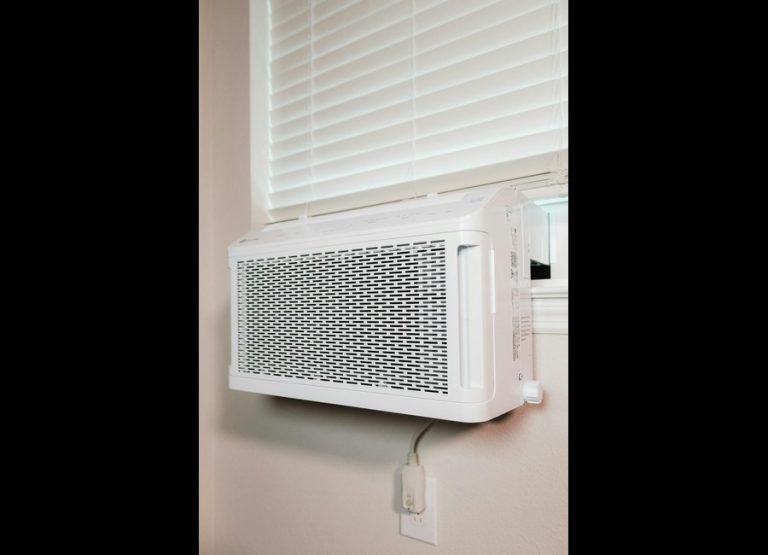
- Routine alteration and servicing of HVAC filters and systems.
- Pest prevention, especially in homes that go weeks or months without occupancy.
- Winterizing for cold weather in some climates/regions and/or for a hurricane in coastal regions.
- Mail receipt, package receiving and general home and exterior maintenance to avoid excessive and destructive over-maintenance of an absentee owner’s home.
Home
As a rental property investor, you have a nagging feeling that you are not doing enough to keep your tenants happy and safe. When something breaks, and you are not around to fix it immediately, it can weigh heavily on you. Allowing issues to sit and fester while you are busy is hard on you and your tenant. Managing with contractors, tenants, and lease renewals while busy is very challenging.
In its latest look at the rental market, research from Harvard’s Joint Center for Housing Studies found that over the last decade, the ranks of what it calls “small landlords” have swelled. These are folks who own just a couple of rental units, typically managing them from afar without much expertise. How much can go wrong when the owner is a thousand miles away?
Where Professional Help Fits In
Most real estate investors, including rental property owners, have a general knowledge of what a home improvement process looks like for a property. However, with more homes being purchased by out of state owners, the dynamics of ownership and the level of management required has changed. The company now does not only handle things like showing the property, advertising, qualifying tenants, and preparing leases, but they also handle the day to day communication with the tenants, arrange for repairs, conduct inspections, and answer calls 24/7 for the unexpected after hours repair or complaint — companies like Earnest Homes approach this by offering a full-service model that keeps remote owners informed at every step.
Making Peace With the Distance
Long distance home ownership can be stressful or very intentional, depending on how you look at it.
The homeowners who seem to carry the impression of their distant homes best, don’t think of them as separate entities from their primary residence. They think of them in much the same way that a gardener would think of a property that they cannot be at every day. They think ahead and establish the systems and plant the seeds and then trust that they have done enough to allow the systems to run autonomously for a period of time until they next visit. Rarely do they have to think about the property until something goes wrong. Then they react accordingly.
Some practical habits that help:
- Hold all property documents, contacts etc in a shared folder on your computer. Also keep details of any maintenance work done.
- Instead of walking in blind, go in well-prepared – plan for 2-3 service visits per year to anticipate potential issues.
- Respond immediately to smart home alerts by notifying homeowners and service professionals via phone, email, and text message for seamless and prompt service.
- Talk with your insurance agent to find out what your current policy covers and what it does not.
Whether you’re an average individual just looking to learn more about rental restrictions and laws or a real estate mogul managing several properties at one time, the U.S. Department of Housing and Urban Development website is a great resource point for learning more about landlord responsibilities.
The Homes That Wait for Us
It’s great that someone is hanging on to this space – there are so many easier and more convenient places to find a good drink these days. Someone going to this amount of trouble to keep this place open speaks well to the space and its value.