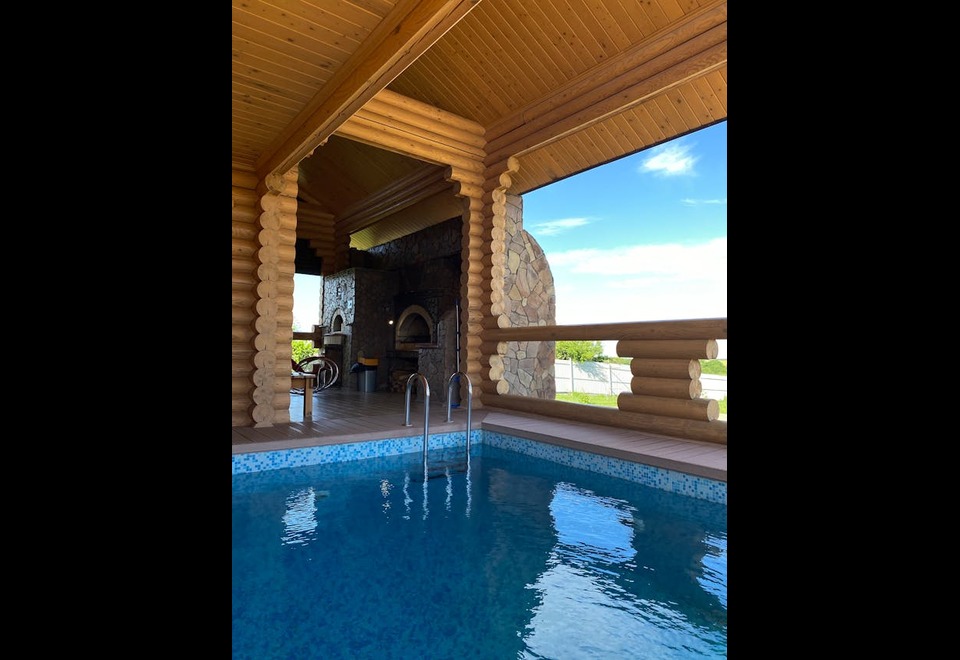
A backyard pool feels inviting when the water stays warm and comfortable throughout the day. Cool water can cut swim time short, even when the sun shines bright and the weather seems perfect. A steady heating setup helps maintain that pleasant temperature and makes every swim more relaxing.
Several practical details shape the right choice for any pool owner. Size, climate, and daily usage all influence how well a heating system performs. A well-matched pool heat pump delivers consistent warmth while keeping energy use under control.
Understand Your Pool Size And Heating Needs
Pool size plays a central role in choosing the right heating capacity, as larger pools require more power to reach and maintain a comfortable temperature. A compact pool can heat up faster and hold warmth with less effort, while a bigger one needs stronger support to stay consistent. Checking capacity ratings ensures the system matches the water volume without strain.
Usage patterns also influence the decision in a meaningful way. A pool used regularly for family time needs a steady and dependable heat source that can keep up with demand. Occasional use allows for a slower heating cycle, which can still provide comfort without requiring high output.
Consider Your Climate And Pool Location
Local weather conditions affect how efficiently a heating system performs throughout the year. Warmer climates support quicker heating and easier temperature maintenance, while cooler regions demand stronger output to achieve the same comfort level. Air temperature directly impacts how much effort the system needs to keep the water warm.
Pool placement adds another layer to this decision. Open areas with strong wind exposure can lead to faster heat loss, which increases the workload on the heater. A pool surrounded by walls, fences, or greenery tends to retain warmth better and supports more stable heating.
Check Efficiency And Performance Ratings
Efficiency ratings provide a clear idea of how much heat the system can produce from the electricity it uses. A higher rating means more effective energy use, which helps manage running costs without sacrificing comfort. Over time, this balance can make a noticeable difference in overall pool maintenance expenses.
Performance ratings show how the system behaves under different temperature conditions. Some units maintain their output even when the surrounding air cools, which helps keep the water consistently warm. This reliability becomes especially useful during early mornings or cooler evenings.
Look At Space, Airflow, And Sound
Proper installation space ensures the heating unit can function without restriction. Adequate airflow around the system allows it to operate efficiently and prevents unnecessary wear on its internal parts. A well-planned setup supports better performance and longer service life.
Noise levels also matter in a backyard setting where relaxation is key. A quieter unit blends into the environment without disrupting conversations or rest. Checking sound ratings helps create a peaceful outdoor space that feels comfortable at any time.
Review Controls And Maintenance Needs
User-friendly controls make everyday operation simple and stress-free. Clear displays and programmable settings allow easy adjustment of temperature and timing based on preference. This convenience adds to the overall experience of owning a heated pool.
Maintenance requirements also play an important role in long-term satisfaction. Systems that allow easy cleaning and quick inspections tend to stay reliable over time. Regular care keeps performance steady and helps avoid unexpected issues.
A carefully selected pool heat pump balances efficiency, performance, and ease of use in a practical way. Pool size, climate, and usage patterns guide the selection process and help narrow down the best fit. Attention to airflow, noise, and controls adds convenience to everyday use. A thoughtful choice turns a backyard pool into a consistently warm and welcoming retreat.