
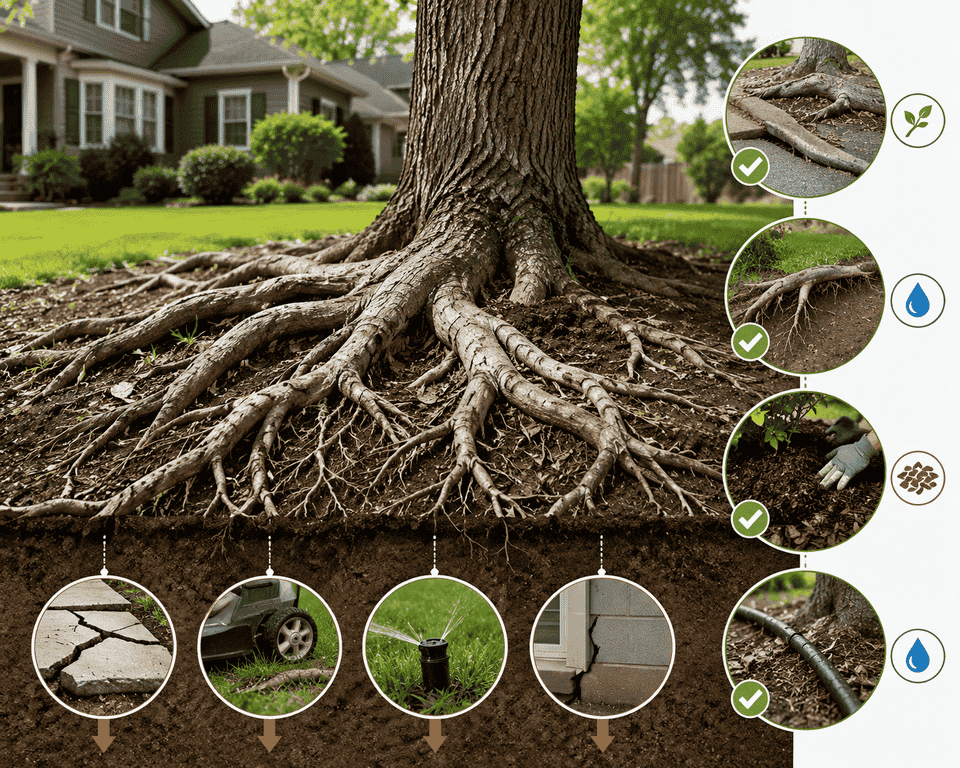
Tree roots creeping above the soil can change the appearance of an otherwise healthy yard, but they often signal something deeper happening underground. In many cases, exposed roots indicate issues related to soil erosion, shallow root systems, compacted soil, or even poor watering habits. Homeowners searching for tree service Chesapeake, VA often discover that visible roots are not simply a cosmetic issue but an early warning sign that deserves attention before it affects the health of the tree or the safety of the property.
Why Tree Roots Rise Above the Surface
Not all exposed roots indicate an unhealthy tree. Some tree species naturally grow closer to the surface because their roots spread outward rather than deep underground. As they get older and look for water and oxygen near the Earth’s surface, big shade trees, especially older ones, often develop visible roots.
Another common reason roots show up is when the soil wears away. Heavy rain, yards that don’t drain well, or yards that slope can slowly wash away the dirt that protects the roots. Over time, roots that were once buried become exposed to sunlight, temperature changes, and foot traffic.
Compacted soil can also contribute to the problem. Roots have a hard time penetrating deeply into the soil when it is compacted by cars, construction, or repeated foot traffic. They stay close to the top, where oxygen is easier to get to, instead.
What Exposed Roots May Be Telling You About Your Yard
Sometimes visible roots indicate drainage problems that homeowners might not notice right away. Roots may develop in strange ways in places that dry out too soon or remain wet for extended periods. Over time, a tree that is continually battling unstable soil conditions may weaken.
In certain yards, visible roots may indicate a deficiency of organic matter or nutrients in the soil. It is more difficult for roots to establish themselves firmly and thoroughly in thin or poor-quality soil. To adapt, trees extend their roots closer to the surface, where nutrients are more readily available.
The tree may have simply outgrown the available space if its roots are exposed. Trees are often planted next to sidewalks, roads, and foundations in urban and suburban areas. When underground room becomes scarce, roots may push upward as they naturally expand.
The Risks of Ignoring Surface Roots
Leaving exposed tree roots untreated can create several problems around a property. Roots near walkways or driveways may become tripping hazards, especially in high-traffic areas. Over time, they can also lift concrete surfaces and create expensive repair issues.
Roots exposed to direct sunlight and air are more vulnerable to damage. Lawn equipment, foot traffic, and extreme temperatures can slowly weaken or injure the root system. Even small wounds may leave the tree more susceptible to pests and disease.
Some homeowners try to solve the issue by cutting away exposed roots without realizing the risks involved. Removing major roots can destabilize a tree and interfere with its ability to absorb water and nutrients. In severe cases, improper root cutting can increase the risk of tree decline or falling during storms.
Safe Ways to Address Exposed Roots
Adding mulch around the base of a tree is often one of the safest and most effective solutions. A layer of mulch helps protect roots from temperature changes while reducing moisture loss from the soil. It also enhances the landscape’s appearance without placing additional stress on the tree.
In some situations, adding fresh soil over lightly exposed roots may help. However, too much soil piled over roots can reduce oxygen flow and create moisture problems. The process needs to be carried out carefully to avoid further harm to the tree.
Professional assessments are often the safest option when roots begin causing structural problems or when there are rapid changes in the yard. Homeowners dealing with recurring root issues frequently contact specialists experienced intree service Chesapeake, VA, to evaluate the health of the tree and recommend safer long-term solutions.
How Proper Yard Care Helps Prevent Future Problems
Healthy soil plays a major role in preventing root exposure. Aeration, proper watering, and organic matter help create conditions where roots can grow more naturally beneath the surface. Small improvements to soil quality can make a noticeable difference over time.
Protecting trees from repeated stress also matters. Heavy equipment, parked vehicles, and excessive digging near trees can damage underground roots even before symptoms appear above ground. Giving mature trees enough space helps reduce long-term strain on the root system.
Regular inspections allow homeowners to spot small changes before they become serious. Cracking soil, leaning trees, thinning leaves, or expanding surface roots may all signal developing issues underground. Addressing those warning signs early is often easier and far less expensive than dealing with major tree damage later.
Conclusion
Exposed tree roots are often a sign that something else in your yard needs a closer look, whether it’s a soil condition, a drainage issue, or just the natural aging of the tree. Some open roots aren’t harmful, but others can be dangerous or cause long-term stress on the tree if they aren’t addressed. People can protect their trees’ health and the overall state of the landscape for years to come by providing proper care, managing soil properly, and seeking professional help when needed. Homeowners searching for tree service Chesapeake, VA often benefit from addressing root problems early before they become more expensive and difficult to manage.