
Basement flooding is one of the most frustrating problems a homeowner can face. Even a small amount of water can lead to damaged flooring, ruined belongings, mold growth, and expensive repairs. The good news is that many basement water problems can be prevented with regular maintenance and a few proactive improvements around the home.
Understanding what causes water to enter a basement is the first step toward protecting your property long term.
Keep Gutters and Downspouts Clean
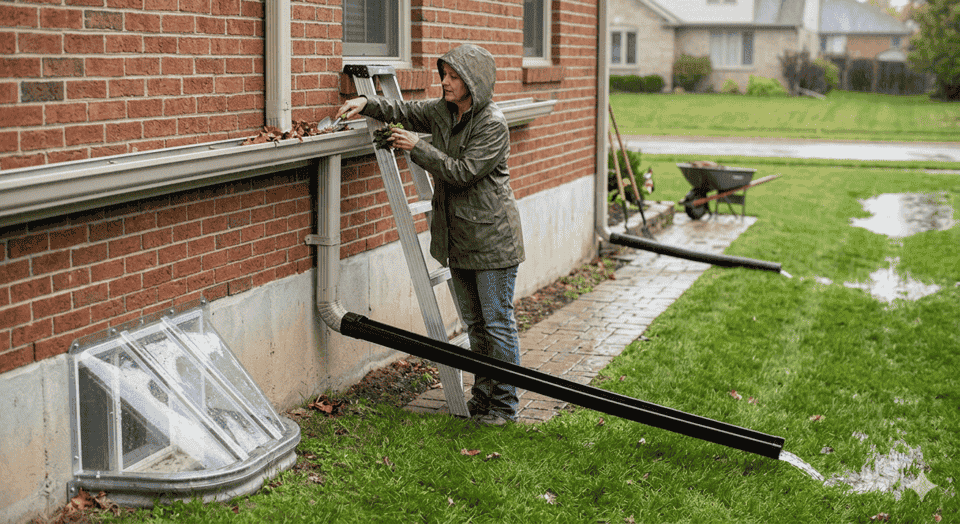
One of the most common causes of basement flooding starts at the roofline. When gutters become clogged with leaves and debris, rainwater overflows and collects near the foundation instead of being directed away from the home.
Homeowners should clean gutters regularly, especially during the fall and after heavy storms. Downspouts should also extend several feet away from the foundation to prevent water from pooling around basement walls.
Check the Grading Around Your Home
The ground surrounding your home should slope away from the foundation. If the soil is flat or sloping inward, water can collect near the basement and eventually seep through cracks or porous concrete.
Over time, soil naturally settles, so it is important to inspect grading periodically. Adding soil around the foundation can help redirect water away from vulnerable areas.
Inspect Foundation Cracks Early
Small foundation cracks may not seem serious at first, but they can allow moisture and water to enter the basement during periods of heavy rain.
Homeowners should routinely inspect basement walls and floors for visible cracks, damp spots, or discoloration. Catching these issues early can help prevent more significant structural or water damage later.
Maintain Your Sump Pump
A sump pump plays a major role in preventing basement flooding, especially in areas prone to heavy rainfall or high groundwater levels. However, many homeowners forget to test their system until a storm arrives.
Checking the sump pump regularly, cleaning the pit, and ensuring the discharge line is clear can help avoid unexpected failures during severe weather.
Reduce Excess Basement Humidity
Not all basement moisture problems come from direct flooding. High humidity levels can also create damp conditions that encourage mold growth and musty odors.
Using a dehumidifier, improving ventilation, and sealing small air leaks can help maintain a drier basement environment year round.
Pay Attention After Heavy Rain
One of the best times to inspect your home for water issues is immediately after a major storm. Look for standing water near the foundation, overflowing gutters, damp basement walls, or unusual smells.
These warning signs often indicate drainage problems that should be addressed before they become more serious.
Know When to Call a Professional
Some water issues can be handled with simple maintenance, while others require professional waterproofing solutions. Persistent moisture, recurring leaks, or signs of structural damage should never be ignored.
Working with experienced professionals like Blue Umbrella Waterproofing can help homeowners identify the source of basement water problems and find long term solutions before costly damage occurs.
Preventing basement flooding is ultimately about consistency. Routine inspections, proper drainage, and early action can go a long way toward keeping your basement dry, safe, and protected throughout the year.