Key Takeaways:
- Wild-type native plants outperform cultivars for pollinator diversity — pollinators favored unmodified species about 37% of the time in head-to-head comparisons.
- Native plant communities can produce up to 3.5x greater pollinator abundance and 2.6x higher insect species richness compared to non-native landscapes.
- Humid, shady yards are an asset, not a limitation — they support moisture-loving natives like cardinal flower, swamp milkweed, and joe pye weed that drier climates can’t grow.
- Layering plantings to mimic forest structure (canopy → understory → shrub → groundcover) is the single most effective strategy for maximizing insect and bird diversity.
- Leaving leaf litter in place through winter is one of the highest-impact, lowest-effort things you can do to support overwintering pollinators and beneficial insects.
If you’ve got a shady, moisture-rich yard and you’ve been wondering whether it’s actually worth planting natives there — or whether you should just grab whatever looks good at the garden center — this post is for you. Spoiler: it’s absolutely worth it, and the science behind why is getting more compelling by the year.
The case for native shade plants in humid climates isn’t just philosophical anymore. Two major studies published in 2026 have added hard data to a conversation that gardeners, ecologists, and landscapers have been having for years. Let’s dig into what the research actually shows, why it matters for your backyard ecosystem, and how to put it into practice.
Why “Native” Isn’t Just a Buzzword Anymore
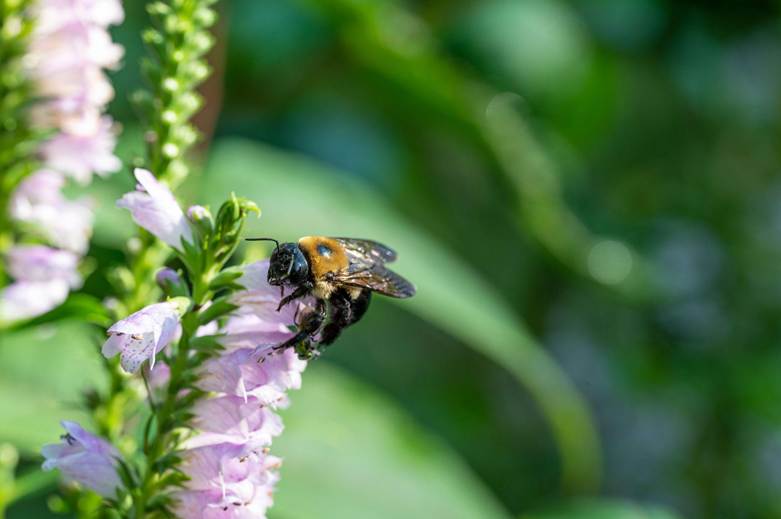
The word “native” gets thrown around a lot in gardening circles, sometimes to the point of losing its meaning. But when scientists say native plants perform better for pollinators, they mean something very specific: these plants have co-evolved with local insects, birds, and other wildlife over thousands of years. That shared evolutionary history translates into real, measurable ecological value.
What the 2026 research is confirming is that this value holds up even in complex, difficult landscapes — including shaded, humid environments where many gardeners assume their plant options are limited.
Shade doesn’t have to mean sterile. In fact, the understory of a humid native plant garden can be one of the most productive wildlife habitats you can create. The trick is understanding which plants pull their ecological weight — and choosing true natives over cultivated lookalikes when your goal is to support biodiversity.
Data Point #1: Wild-Type Natives Outperform Cultivars for Bee Diversity
The first key finding comes from updated research out of Oregon State University, re-highlighted by OSU Extension in April 2026. The study, led by researcher Jen Hayes, tracked pollinator visits across both wild-type native plants and their commercially bred cultivars — the modified versions you often find at mainstream nurseries with altered flower colors, double blooms, or compact growth habits.
The researchers found that pollinators favored the wild, unmodified versions of plants roughly 37% of the time when compared head-to-head against cultivated varieties. That might sound modest, but what it really reveals is a meaningful and consistent pattern: when you want to maximize support for a diversity of bee species, the original plant wins.
As Hayes concluded, “If the goal is to maximize support for pollinators, especially a diversity of bee species, native plants are the safest choice.”
This has serious practical implications for anyone planting a shade garden in a humid climate. When you’re browsing plants labeled as “native cultivars” — think a double-flowered columbine, a dark-leaved coral bells, or a compact version of wild ginger — you’re not necessarily getting the same ecological package as the straight species. The modifications that make cultivars visually appealing to humans can alter the flower structure, pollen availability, and scent cues that native bees rely on.
For humid shade gardens specifically, this means gravitating toward straight species of plants like wild blue phlox (Phlox divaricata), native trilliums, Jack-in-the-pulpit (Arisaema triphyllum), and cardinal flower (Lobelia cardinalis) rather than their nursery-bred cousins. These are the plants that local pollinators — from mining bees to bumblebees — have co-evolved to recognize, visit, and depend on.
If you want a deeper look at which specific plants thrive in small, shaded yards in humid regions, the guide on shade-adapted native plants for moisture-rich landscapes is a great companion resource — it covers a curated list of performers that check both the aesthetic and ecological boxes.
Data Point #2: Native Plant Communities Dramatically Boost Wildlife Abundance
The second major 2026 finding comes from a synthesis published in BioScience by a team of researchers at Iowa State University, led by Professor Amy Toth. The synthesis confirmed that native plant communities measurably enhance pollinator forage quality, support more diverse and abundant wild bee populations, help sustain monarch butterfly numbers, and even improve managed honey bee productivity.
Perhaps most striking is what earlier field research connected to this work found about scale: catchments that incorporated native plant strips showed insect species richness that was 2.6 times higher, pollinator abundance that was 3.5 times greater, and native bird species richness that was 2.1 times higher compared to areas without native vegetation.
Let that sink in. Not 20% better. Not even double. We’re talking 3.5 times the pollinator abundance from adding native plants to a landscape.
Now, that research was conducted in an agricultural context, but the underlying ecological principle translates directly to your backyard. When you replace a monoculture of lawn or non-native ornamentals with a diverse native planting — even a small one under a tree canopy — you are creating the same kind of habitat structure that produces those wildlife gains. Diversity of native species equals diversity of wildlife. That’s the equation.
For humid climates, this means thinking in layers. A well-designed shade garden isn’t just a groundcover problem — it’s a system. Pair a native canopy tree like sweetbay magnolia or American beech with a midstory of native hydrangea or spicebush, underplanted with ferns, wild ginger, green-and-gold, and native sedges. Each layer supports different insects, different birds, and different ecological functions.
The Humidity Advantage: Why Moist Shade Is Actually an Asset
One of the most underappreciated things about gardening in a humid climate is that you have access to a suite of plants that simply can’t be grown in drier regions — and many of them are pollinator powerhouses. Gardeners in drier climates are often jealous of what you can grow.
Plants like cardinal flower, swamp milkweed (Asclepias incarnata), rose mallow (Hibiscus moscheutos), ironweed (Vernonia spp.), and joe pye weed (Eutrochium spp.) all thrive in moist, humid conditions. These aren’t fringe species — they’re some of the most heavily visited plants in North America by bees, butterflies, and hummingbirds.
In the deep shade layer, native ferns like ostrich fern and cinnamon fern don’t just look beautiful — they provide critical sheltering and nesting habitat for ground-nesting insects and birds. Leaf litter under these plants (which you should absolutely leave in place through winter) hosts overwintering moth and butterfly pupae, as well as the eggs and larvae of countless beneficial insects.
The humidity itself is an advantage: plants establish faster, require less irrigation after the first season, and tend to spread more readily into a self-sustaining community. That’s less work for you and more habitat for wildlife.
What “Encouraging” Native Shade Plants Actually Looks Like
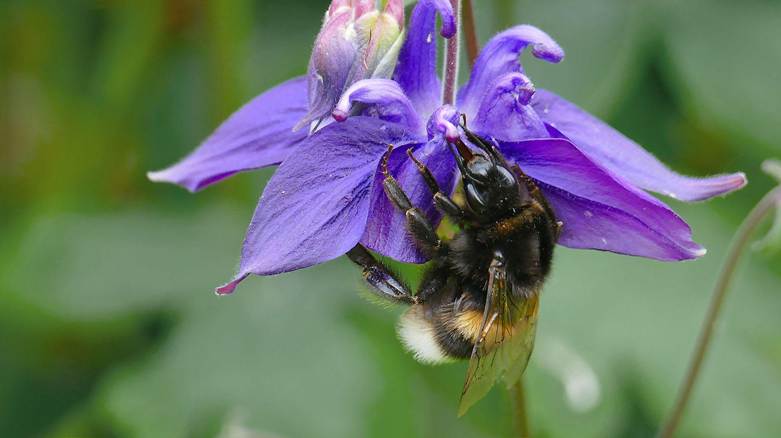
Planting natives is one thing. Encouraging them to actually support wildlife takes a bit more intention. Here’s what that looks like in practice:
Choose straight species over cultivars
As the OSU data makes clear, the ecological benefits are strongest with wild-type plants. That doesn’t mean every cultivar is worthless — but when in doubt, go with the original.
Layer your plantings
Mimic forest structure with canopy, understory, shrub, and groundcover layers. Research consistently shows that vertical diversity in plantings correlates directly with higher insect and bird diversity.
Leave the leaf litter
This one is hard for people to accept aesthetically, but the science is unambiguous. The layer of fallen leaves under your native plants is one of the most ecologically valuable features of a shade garden. It shelters overwintering insects, feeds decomposers, and eventually breaks down into the rich humus that native woodland plants love.
Avoid pesticides, including “organic” ones
Many broad-spectrum pesticides — organic or synthetic — kill the very insects you’re trying to attract. If you’re building a native plant ecosystem, chemical interventions undermine the goal.
Be patient with establishment
Native plants, especially deep-rooted woodland species, invest heavily in root development in their first one to two years. They may look underwhelming above ground at first. Trust the process — the above-ground show comes once the roots are established.
The Bigger Picture
The 2026 research from OSU Extension and BioScience isn’t telling us anything radically new — scientists have understood the value of native plants for decades. What it’s doing is strengthening and quantifying the case with more rigorous, updated data. And as pollinator populations continue to face pressure from habitat loss, climate disruption, and pesticide exposure, that case becomes more urgent every year.
Your shaded, humid yard isn’t a limitation. It’s an opportunity — one that a 3.5x increase in pollinator abundance is waiting to take advantage of. Plant the natives, skip the cultivars when it matters, layer your garden like a forest, and let the ecosystem do the rest.
The wildlife will show up. They always do when the habitat is right.