For years, my cozy suburban home has stood strong against the tests of time, that is until a peculiar odor filled the air one chilly evening. As I scrambled to identify the culprit, the culprit revealed itself: a gas leak. As a homeowner who likes to tinker around the house, I learned valuable lessons in dealing with gas issues that I am eager to pass on.
Identifying Gas Leaks
The first sign of trouble in my home was a faint, rotten egg-like smell. Natural gas is actually odorless, but a harmless chemical called mercaptan is added to help detect leaks easily. If you ever catch a hint of this foul scent, it’s important to take it seriously.
For me, pinpointing the source was the next logical step. Gas leaks can occur anywhere around your gas appliances, meters, or pipelines. A simple dish soap solution (a mix of one part soap to two parts water) applied on potential leakage spots can reveal the leak. If bubbles appear, you’ve found your problem.
Another useful tool in detection is a gas leak detector pen, readily available at most hardware stores. These can help identify precisely where a gas leak may reside, offering peace of mind and aiding in swift intervention. Such tools are user-friendly, often emitting an audible alert when gas is detected. Because technology advances constantly, you’ll find these devices beneficial even if you aren’t particularly technically inclined.
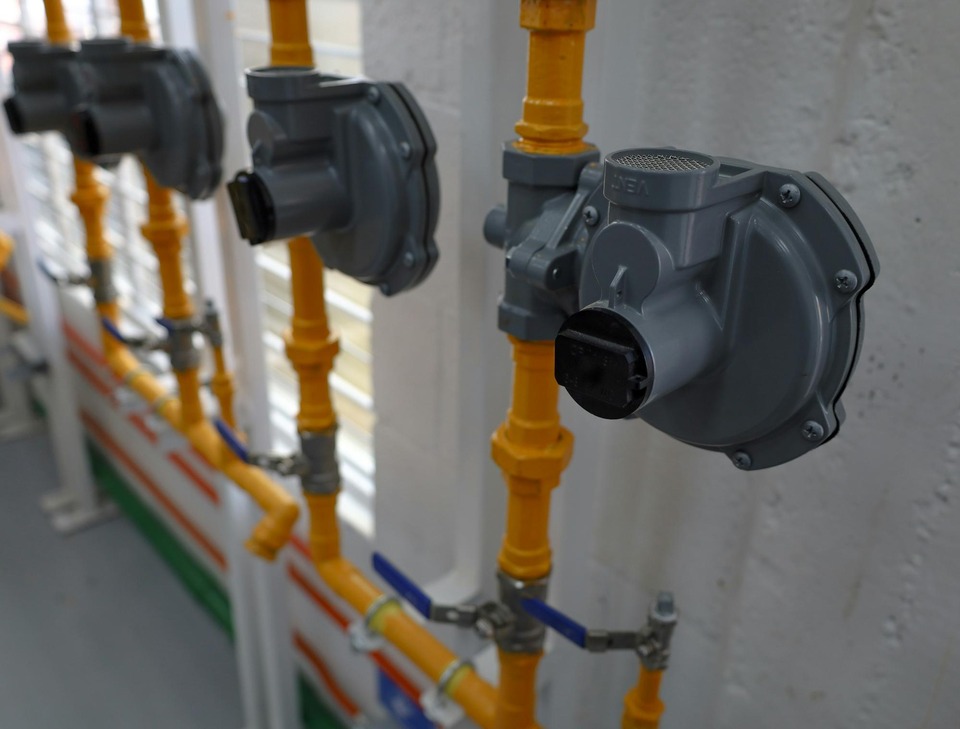
In addressing the hardware associated with gas, selecting the right pipeline is crucial. Many homeowners prefer using polyethylene gas pipe because of its durability and flexible properties, reducing leak risks. Always ensure any pipeline connection is secure and intact.
Calling in the Experts
After temporarily managing the situation, professional help is the next step. Always notify your gas supplier or a licensed technician for a comprehensive inspection. Most gas companies have emergency lines dedicated to these situations and respond quickly. In my case, the repair team arrived in less than an hour, equipped and ready.
While waiting for expert assistance, preparing a list of questions or concerns can make the process smoother. Inquire about the possibility of needing equipment upgrades or additional repairs to avoid a recurrence. Use this opportunity to learn from the technician, asking for tips to recognize early signs of future problems.
Immediate Actions to Take
Once I located the leak, the immediate priority was ensuring safety. First, I made sure all open flames were extinguished and quit using electronic devices that might spark. Then, I opened the windows to allow any accumulated gas to disperse efficiently. It’s crucial to evacuate the premises and avoid flipping any electrical switches, as it could ignite the gas.
Leaving your home, even when temperatures drop, is better than risking inhalation of potentially harmful fumes. As you step out, ensure that you close the main valve connected to the gas line, if safely reachable. This additional measure prevents further gas from entering your residence during the wait for professionals, adding an extra layer of security.
Preventive Measures After Repair
With my gas leak successfully repaired, I was keen on adopting preventive measures. A routine inspection can save you from future mishaps. It involves checking your pipeline and appliances for wear and tear regularly and always ensuring proper ventilation around all gas-powered equipment.
Investing in a gas detector or monitor can provide peace of mind; these small devices alert homeowners at the slightest indication of a leak. Although armed with basic knowledge, safety remains the responsibility of professionals. Scheduled checks from certified inspectors are invaluable.
Having a clear emergency action plan is essential. Share this with family members so everyone knows their role in an emergency situation. Conduct periodic drills to simulate what steps to take if a leak occurs unexpectedly. Preparation and knowledge empower homeowners to respond calmly rather than panic.
Lessons Learned
Living through a gas leak was a humbling experience, teaching me the importance of vigilance and preparedness. Taking simple precautions, recognizing warning signs, and knowing who to call in emergencies is crucial for all homeowners. I’ve become more adept at handling gas concerns, ensuring that my loved ones and I stay safe in our haven. Admittedly, the experience pushed me to explore other potential issues my home might harbor.
To anyone reading this who might suspect a similar issue at home: don’t ignore it. Take the initiative to diagnose, act, and seek professional help. Our homes are our sanctuaries, and ensuring their safety should always be a top priority.