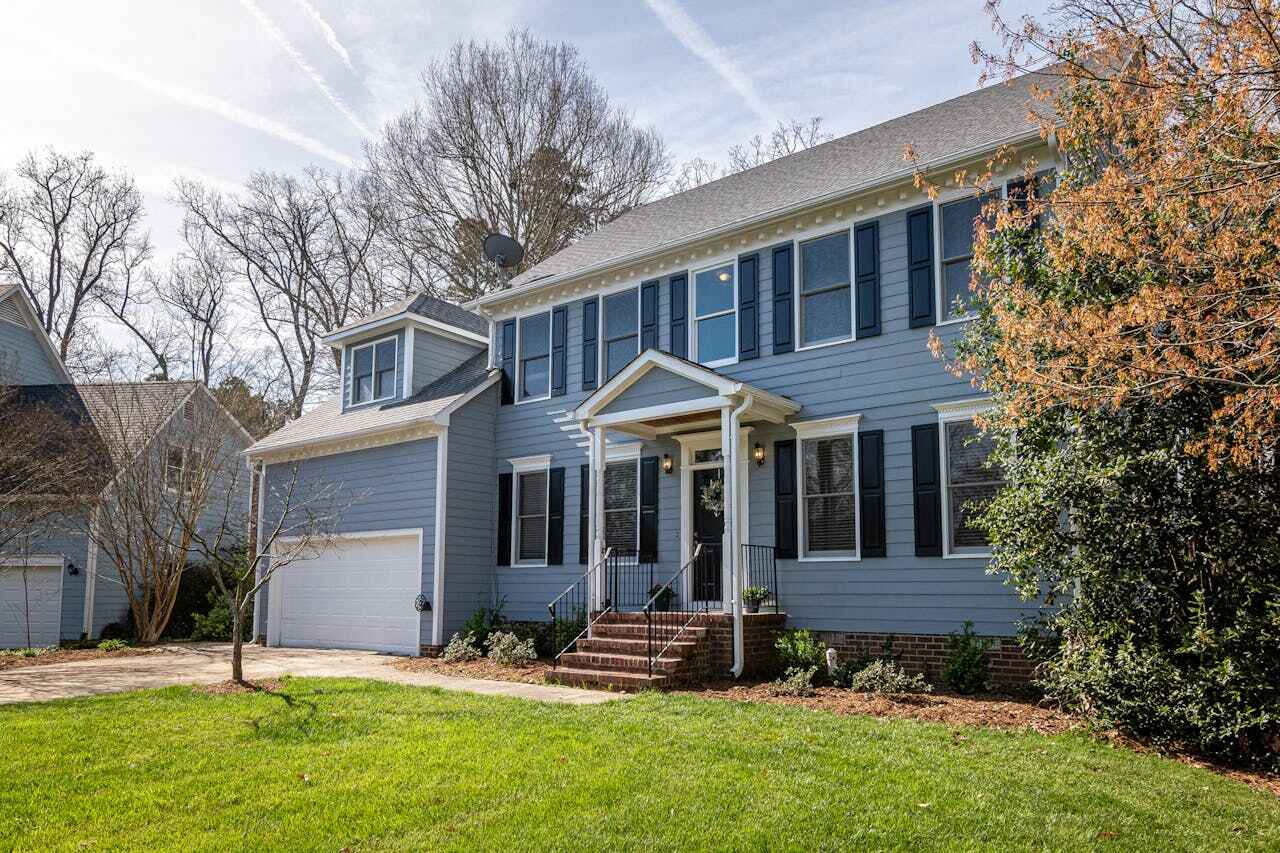
A well-maintained exterior protects a home while shaping its visual identity. Siding plays a critical role in shielding structures from weather exposure and preserving structural integrity. Careful replacement ensures that both protection and appearance remain consistent over time.
Professional teams approach siding replacement with a focus on accuracy, durability, and long-term performance. Each step involves planning, evaluation, and skilled execution to achieve a seamless finish. Attention to detail ensures that the final result enhances both function and curb appeal.
Thorough Inspection and Project Planning
Experts begin with a comprehensive inspection of the existing exterior to identify damage, moisture issues, or structural concerns. This assessment helps determine the scope of work and the most suitable materials for the property. A clear plan reduces uncertainty and sets realistic expectations for the project.
Planning also involves measuring surfaces and preparing a timeline that aligns with weather conditions and homeowner preferences. Proper coordination ensures that each stage progresses smoothly without delays. A structured approach lays the foundation for precise execution.
Material Selection Based on Property Needs
The selection of the right siding material plays a major role in achieving durability and visual harmony. Options such as vinyl, fiber cement, wood, and engineered panels offer distinct benefits suited to different environments. Professionals guide homeowners toward selections that match climate demands and architectural style.
Quality materials contribute to long-lasting performance and reduced maintenance. Experts evaluate factors such as insulation value, resistance to moisture, and color retention. This careful selection process ensures the exterior remains strong and appealing for years.
Preparation Steps That Ensure Accuracy
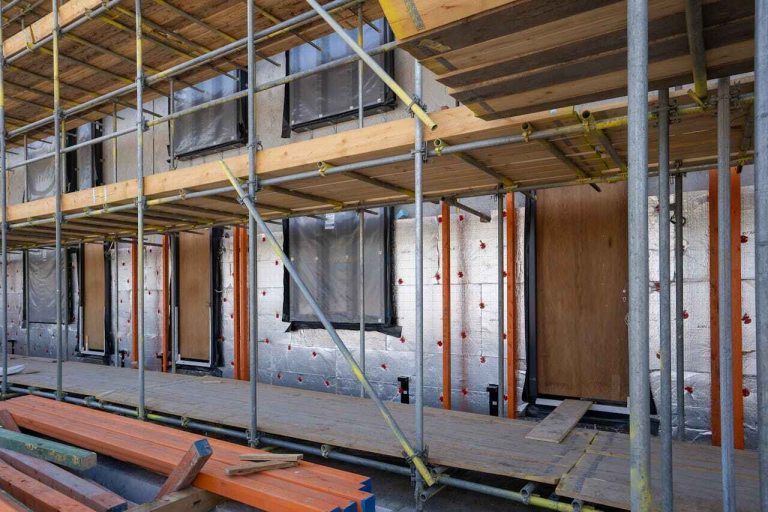
Preparation is essential for achieving a flawless installation. Experts follow a series of structured steps to create a stable base for new siding.
Key Preparation Steps Include:
- Removal of old materials without damaging the underlying structures.
- Inspection of sheathing and repair of compromised areas.
- Installation of moisture barriers for added protection.
- Alignment checks to ensure even surface application.
Installation Techniques for Seamless Results
Installation requires skill, patience, and attention to alignment. Professionals secure panels with consistent spacing to allow for natural expansion and contraction. Careful placement ensures clean lines and a uniform appearance across the entire exterior.
Advanced techniques help achieve a tight seal that protects against moisture infiltration. Proper fastening methods reduce the risk of warping or loosening over time. This level of precision reflects the importance of expert craftsmanship in siding projects.
Quality Checks and Finishing Touches
Final inspections ensure that every section meets high standards of workmanship. Experts examine joints, edges, and trim elements to confirm proper alignment and secure attachment. This process helps identify any minor adjustments needed before project completion.
Final Quality Assurance Measures:
- Verification of panel alignment and spacing.
- Inspection of sealing around windows and doors.
- Review of trim installation for a polished finish.
- Cleanup of debris to restore the property’s appearance.
Long-Term Maintenance Guidance for Homeowners
After installation, professionals provide guidance on maintaining the new exterior. Regular cleaning and periodic inspections help preserve the siding’s condition. Homeowners receive practical advice that supports long-term performance without unnecessary effort.
Experts emphasize the importance of monitoring for minor issues before they develop into larger concerns. A proactive approach ensures that siding replacement continues to deliver value and protection. Proper care extends the lifespan of the exterior while maintaining its original appeal.
So, precision in replacing sidings relies on planning, material selection, and skilled execution. Expert methods ensure durability, visual appeal, and long-term performance. A structured approach transforms exterior upgrades into lasting improvements.