
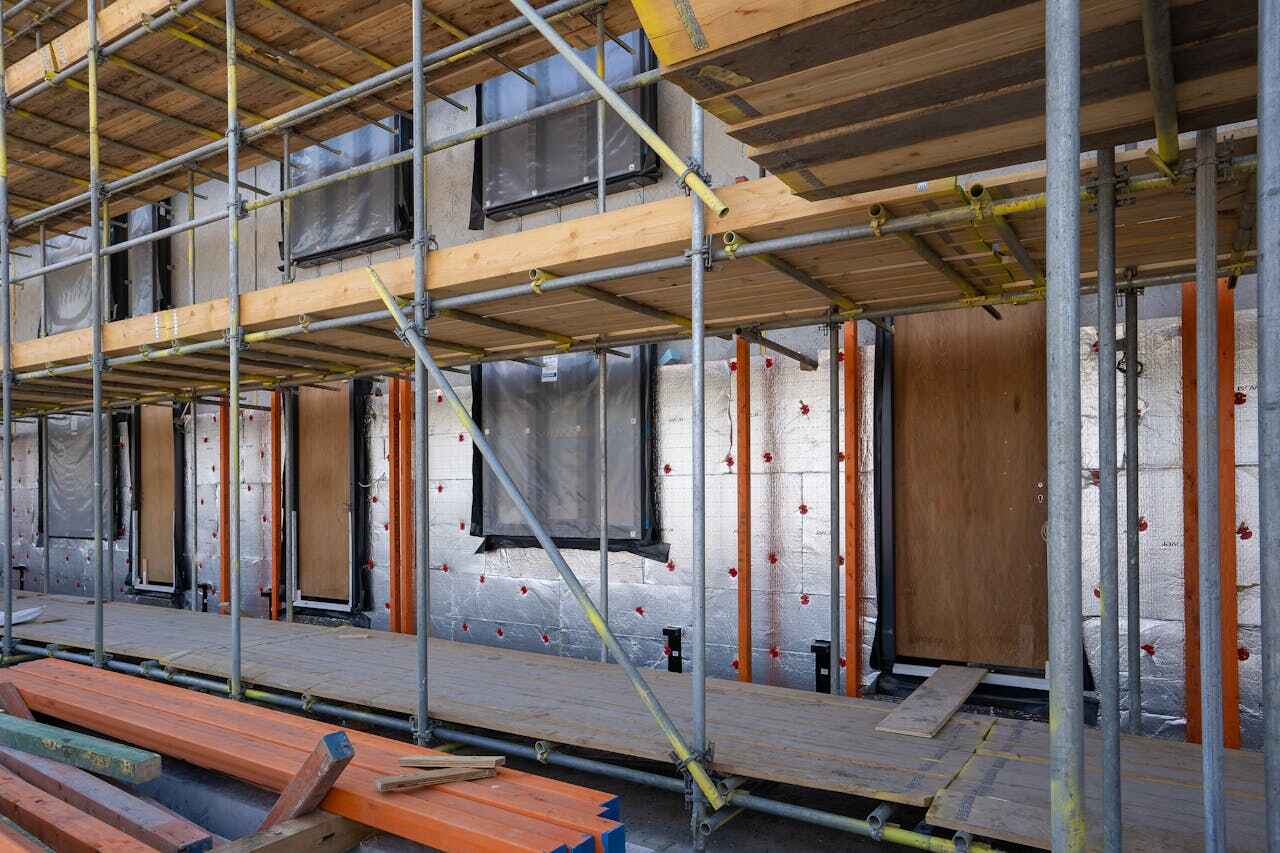
Air, vapor and water barrier sheets play an important role in exterior wall performance. They help control unwanted air movement and reduce the chance of moisture reaching vulnerable parts of the structure. Their use depends on building design, surface type, and site conditions. A closer look at where they fit can make product selection much more practical.
When Exterior Walls Need a Continuous Protective Layer
One of the clearest times to use these sheets is when the building envelope needs a continuous layer against air and moisture transfer. 3M Air and Vapor Barrier is one example of a membrane used for this purpose on exterior wall assemblies. It is suited to areas where gaps in protection can affect the building over time. This makes it relevant in the early stages of construction, before exterior finishes go in place.
The product page points to use on exterior wall sheathing and behind cladding systems. That gives builders a clear idea of where the membrane fits within the assembly. It is most useful where the wall needs consistent coverage across broad surface areas. In that setting, the sheet acts as part of the outer defense of the structure.
Use Them in Areas Exposed to Moisture Stress.
Rain, damp air, and small openings around fasteners can all create trouble if the structure lacks a proper protective layer. The product details state that the membrane helps reduce moisture intrusion and prevent moisture ingress. That makes it a solid option for projects where wet conditions are a regular concern.
This becomes even more relevant in climates with heavy rain or wide seasonal shifts. Repeated wet and dry cycles can place pressure on wall materials over time. In those situations, barrier sheets help support a more controlled wall system.
Around Openings, Joints, and Transitions
Openings, penetrations, and places where one material meets another are common weak points. The product page highlights these transition areas as recommended uses for the membrane. That makes barrier sheets especially useful where continuity across the wall could otherwise break down.
Common areas that need extra attention
A few locations deserve close review before installation:
- window and door openings
- Near pipes and fixtures
- joints between different substrates
- sections behind exterior cladding
These areas tend to create small gaps or irregular surfaces. A barrier sheet helps bridge those points and maintain a more complete exterior layer.
Use Them When a Fast, Simple Application Matters
Some projects need materials that can move with the pace of the jobsite. These advanced membranes do not require primer on most construction surfaces. It also mentions faster installation than traditional air barriers that need primer before use.
This practical advantage is useful on large exterior jobs or mixed-material builds. Less surface prep can simplify work across different sections of the project. It can also help crews stay consistent across areas.
Air, vapor and water barrier sheets work best when the construction calls for control at key exterior points. 3M Air and Vapor Barrier serves as one example for projects that need that kind of coverage across wall surfaces, openings, and transitions. The right time to use these sheets is when moisture exposure, air leakage, and surface changes are part of the construction plan. A careful match between product, substrate, and wall design usually leads to the most reliable result.