Key Takeaways:
- The smart thermostat market is hitting $6.75 billion in 2026, driven not by basic temperature control but by consumer demand for deep ecosystem integration with Alexa, Google, HomeKit, and Z-Wave.
- 73% of U.S. broadband households bought a smart thermostat specifically to connect it to an existing smart home setup — meaning integration capability should be your first purchase filter, not brand name.
- Matter is the emerging universal protocol breaking down ecosystem walls, allowing a single thermostat to work natively with HomeKit, Google Home, Alexa, and SmartThings without cloud bridges or workarounds.
- Z-Wave remains the gold standard for reliable local control — it doesn’t depend on manufacturer cloud servers, making it the smarter long-term choice for complex or multi-stage HVAC systems.
- Automated thermostats enrolled in utility demand-response programs cut HVAC energy use by 22% during peak windows, proving that ecosystem integration isn’t just convenient — it’s measurably cost-effective.
If you’ve ever stood in a big-box store staring at a wall of thermostats wondering which one won’t make your smart home feel like a patchwork quilt of half-working apps — this one’s for you.
The smart thermostat space has exploded, and the integration game has gotten genuinely good. But “compatible with Alexa, Google, and HomeKit” printed on a box doesn’t tell you the full story. What really matters is how these devices talk to each other, and why the protocol layer — especially Z-Wave — is the piece most buyers overlook until it’s too late.
Let’s break down what’s actually happening in 2026, what the data says, and how to think about building a home automation setup you won’t regret.
The Market Is Booming — And Integration Is the Reason Why
Here’s a number worth sitting with: according to Roots Analysis, the global smart thermostat market is projected to reach USD 6.75 billion in 2026, up from USD 5.41 billion in 2025 — and it’s expected to balloon to USD 85.27 billion by 2040, growing at a compound annual rate of nearly 20% through that stretch.
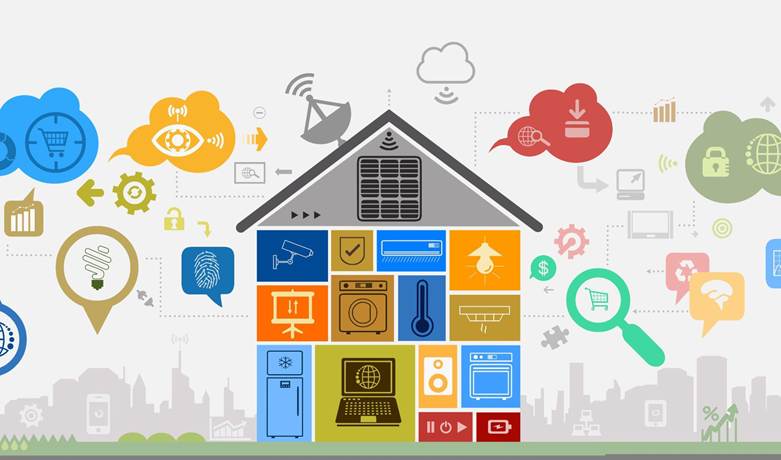
That’s not just people upgrading old mercury thermostats. That growth is being pulled forward by a specific consumer demand: Z-Wave wireless protocols and Zigbee HVAC control are fueling adoption through low-power mesh networking and seamless smart home integration, and new certifications like Matter are lowering the barrier for cross-platform compatibility.
The second data point that stands out comes from Market Data Forecast: 73% of U.S. broadband households that purchased a smart thermostat did so specifically to integrate it with existing voice assistants, security systems, or lighting controls. Google Nest and Amazon Alexa compatibility now serve as baseline purchase criteria, with Samsung SmartThings and Apple HomeKit integration becoming decisive differentiators among premium buyers.
Read that again. Nearly three out of four buyers aren’t just buying a thermostat — they’re buying a node in a larger connected system. The thermostat is almost an afterthought. What they really want is a climate control device that disappears cleanly into the ecosystem they’ve already built.
That context completely changes how you should shop for one.
Alexa and Google Home: The Starting Line, Not the Finish Line
Most smart thermostats you’ll encounter today will claim Alexa and Google Home compatibility. For the majority of buyers, this is table stakes. You can say “Hey Google, set the thermostat to 70” and it works. Great.
But voice control is the surface layer. Where things get interesting — and where the 73% integration statistic above becomes really meaningful — is in automations. Can your thermostat talk to your door lock? Can it know you’ve left the house based on your phone’s location, spin up eco mode, and then pre-heat the house 20 minutes before you get back?
With Alexa routines and Google Home automations, the answer is increasingly yes — but only if your devices share a common protocol or integration layer. That’s where the choice of thermostat model starts to matter a lot more than the brand name on the front.
Both Alexa and Google Home work primarily through cloud-to-cloud integrations for most smart thermostats. That means your voice command travels from your phone or speaker, up to Amazon or Google’s servers, back down to the thermostat manufacturer’s cloud, and finally to the device itself. On a good day, this is seamless. On a bad day — or when a manufacturer decides to sunset their cloud service — it’s a problem.
This is exactly why local control protocols like Z-Wave matter so much to serious home automation builders.
Apple HomeKit: Privacy-First, but Demanding
Apple HomeKit has always been the ecosystem that makes you work a little harder to get in, then rewards you generously once you’re there. For thermostat integration, HomeKit’s native approach emphasizes local processing — commands run on your home network, not through a cloud server — which means faster response times and stronger privacy.
The catch: not every smart thermostat supports HomeKit natively. Ecobee has been a standout here for years, offering native HomeKit support since 2015. More recently, Google Nest added Matter support via firmware update and Honeywell Home released new Matter-certified models, which means those devices can now integrate with HomeKit through the Matter standard — no extra hub required.
What’s Matter? Think of it as the universal translator for smart home devices. Matter establishes a common language for smart home devices, and when a thermostat supports it, it can be added to any Matter-compatible platform — including HomeKit, Google Home, Alexa, and SmartThings — directly, with basic thermostat functions accessible from whichever app you prefer. Matter operates locally over your home Wi-Fi or Thread mesh network, so commands don’t need to route through the cloud.
For HomeKit users specifically, this is a big deal. It means the ecosystem walls are coming down, and you can build a genuinely multi-platform home without choosing sides.
Z-Wave: The Protocol Your HVAC Contractor Probably Never Mentioned
Z-Wave is where the conversation usually separates casual smart home enthusiasts from people who are serious about building reliable, long-term automation setups.
Z-Wave is a wireless communication protocol designed specifically for home automation devices. Unlike Wi-Fi (which can get crowded in a dense neighborhood) or Bluetooth (which has range limitations), Z-Wave operates on a dedicated frequency band — 908.42 MHz in the U.S. — and uses a mesh network architecture where every device can relay signals to others. This makes it genuinely robust in ways that Wi-Fi-based thermostats simply aren’t.
A key benefit of Z-Wave is that your controller knows how to talk to everything on your Z-Wave network without needing proprietary internet servers to control your devices — which means local control is built in by design, not bolted on as a feature.
Z-Wave thermostats typically require a compatible hub to bridge into the major voice ecosystems. Hubs like SmartThings, Hubitat, or dedicated Z-Wave controllers handle the translation. Once that bridge is in place, your Z-Wave thermostat shows up in Alexa, Google Home, or HomeKit just like any other connected device — but with the underlying reliability and local-control benefits of Z-Wave doing the heavy lifting.
For homes with complex HVAC setups — multi-stage systems, heat pumps, zoned heating and cooling — the Honeywell T6 Pro Z-Wave thermostat is a consistently recommended option. It bridges to Alexa, Google, and HomeKit through compatible hubs and handles multi-stage systems with programmable precision that basic Wi-Fi thermostats often can’t match.
What the Energy Savings Data Actually Shows
It’s easy to get caught up in the ecosystem compatibility conversation and forget the original pitch: these things are supposed to save you money on energy bills.
The Federal Energy Regulatory Commission found that homes participating in automated thermostat demand-response programs reduced their HVAC energy consumption by 22% during critical peak pricing windows. That’s not a manufacturer’s claim — that’s a federal regulator’s measured outcome from real demand-response programs where utilities actively coordinate with smart thermostats during high-demand periods.
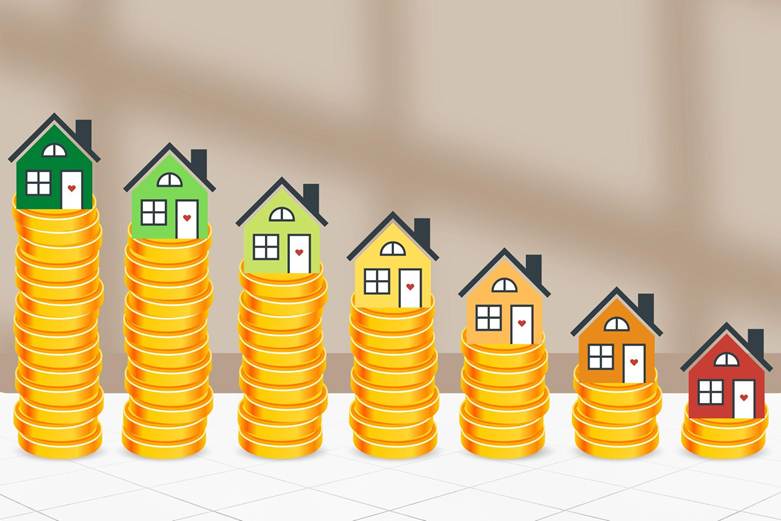
And industry-wide data points to proven savings of around 8% on annual heating and cooling costs — roughly USD 50 per year for the average household. That might sound modest, but it adds up over the lifespan of the device, and it scales up significantly for larger homes or in climates with extreme seasonal swings.
The automation angle accelerates these savings. A thermostat that “knows” you’ve left for work — via geofencing through your phone — doesn’t waste energy maintaining comfort for an empty house. One connected to Alexa routines can drop to eco mode when your smart lock signals the door has been locked from outside. These aren’t gimmicks. They’re meaningful behavioral automations that compound over months and years.
How to Choose the Right Thermostat for Your Setup
Before you buy anything, it helps to answer three questions:
Which ecosystem are you already invested in?
If you’re all-in on Apple devices and value privacy, prioritize HomeKit-native or Matter-certified models. If you’re an Alexa household, almost any Wi-Fi thermostat will get you there — the question is how deep you want the integration to go.
What kind of HVAC system do you have?
Not all smart thermostats support all systems. Multi-stage heat pumps, radiant heating, and zoned systems have specific compatibility requirements. If you’re unsure which thermostat actually matches your equipment — not just your ecosystem — a good starting point is checking out a breakdown of the best thermostats for specific HVAC system types in 2026, which maps thermostat recommendations directly to system configurations rather than treating all HVAC setups as identical.
Do you want local control or are you comfortable with cloud dependency?
This is the question most people don’t ask until their thermostat stops working after a manufacturer shuts down a cloud server. If reliability and longevity matter to you, Z-Wave with a local hub is worth the extra setup complexity.
The Integration Stack in Practice
Here’s how a well-built setup might actually look in 2026:
You’ve got a Z-Wave thermostat (say, the Honeywell T6 Pro) connected to a Hubitat hub. The hub bridges to Alexa, Google Home, and HomeKit simultaneously. Your morning routine — triggered when your alarm goes off — tells the thermostat to warm up the house. Your departure automation — triggered when your phone leaves a geofence — drops it to eco mode. And during summer peak pricing hours, your utility’s demand-response program nudges the setpoint through an API integration, earning you a bill credit.
None of this requires you to pick a side in the ecosystem wars. It requires understanding what each layer of the stack is doing and choosing devices that play well at each level.
The integration of smart thermostats with broader home automation and energy management systems is increasingly the defining market trend, and the manufacturers building toward open protocols — Matter, Z-Wave, Thread — are the ones positioning themselves for a future where interoperability isn’t a selling point, it’s the baseline expectation.
Closing Thoughts
Smart thermostat technology in 2026 is genuinely mature. The wild-west era of incompatible ecosystems and unreliable cloud integrations isn’t over, but it’s getting smaller every year. Matter is doing real work. Z-Wave remains the gold standard for robust local control. And the data on energy savings — both from demand-response programs and everyday automation — makes a strong case that these devices pay for themselves over time.
The key is matching the device to your actual setup: your HVAC system, your ecosystem, and your comfort level with complexity. Get those three things right and you’ll end up with a thermostat that doesn’t just respond to voice commands — it actually makes your home smarter.