
Highlights:
- The home fitness equipment market hit $11.84B in 2026 — industry growth signals opportunity, but also aggressive marketing pressure to overbuy.
- Buy foundational, high-frequency-use items outright (dumbbells, infrared saunas, mobility tools); the ROI compounds the more consistently you use them.
- Rent high-ticket, unproven gear first (treadmills, cold plunge tubs, light therapy panels) to validate your habits before making a costly commitment.
- The room’s architecture — ventilation, acoustics, lighting — directly amplifies or undermines the value of every piece of equipment inside it.
- Skip the overhyped tier (PEMF mats, cryochambers, closed-ecosystem smart gear) until the technology matures or a specific therapeutic need justifies the cost.
So you’re building out a wellness room — maybe it’s a dedicated recovery space, a mindful movement corner, or a full-blown biohacking sanctuary. Either way, you’re staring down a very long list of equipment that ranges from “makes complete sense” to “do I really need a $6,000 PEMF mat?” The answer isn’t always obvious. And the market data for 2026 makes it pretty clear that a lot of people are asking the exact same question.
Let’s break down the smart way to approach your wellness room gear — what’s worth buying outright, what you can get away with renting, and what you should probably skip altogether (at least for now).
The Market Is Booming, But That Doesn’t Mean You Should Buy Everything
Before we get into the checklist, let’s talk numbers. The home fitness equipment market was valued at $11.84 billion in 2026 and is projected to climb to $17.06 billion by 2031, according to Mordor Intelligence’s Home Fitness Equipment Market Report. That’s a compound annual growth rate of 7.59% — steady, structural growth driven by people genuinely committing to home-based wellness, not just pandemic-era panic buying.
What does that mean for you? It means the equipment industry wants you to buy everything. Marketing is sophisticated, influencer culture is loud, and the sheer variety of gear available has never been greater. But size and growth of a market doesn’t mean every product in it deserves a spot in your wellness room. The smarter move is to let your actual usage habits and long-term goals drive the purchasing decision — not FOMO.
What to Buy: The Foundation Pieces That Actually Get Used
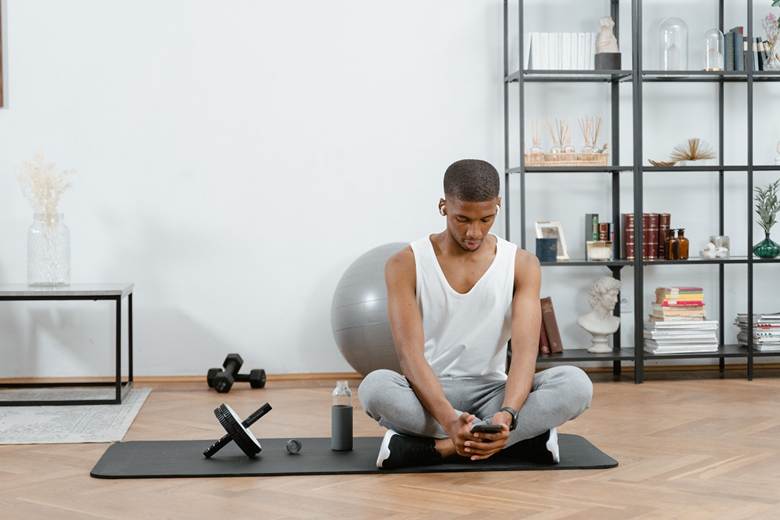
Some pieces of wellness room equipment earn their keep every single day. These are the buy-outright items because they’re foundational, durable, and unlikely to go obsolete quickly.
Strength and Resistance Training Equipment
According to CivicScience’s January 2026 fitness trend survey, strength training and weight lifting represented 28% of regular exercise routines among American adults — second only to cardio. Adjustable dumbbells, a quality resistance band set, and a flat bench are the trifecta that won’t collect dust. Buy these.
Infrared Saunas
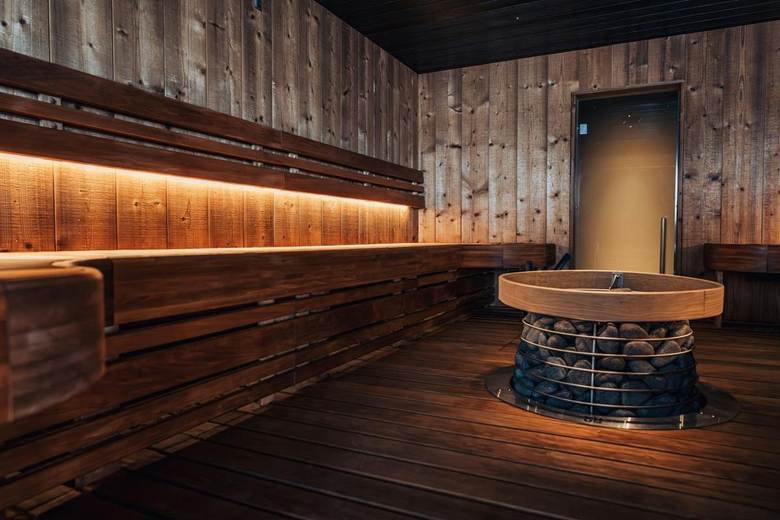
The global infrared sauna market is currently sitting at roughly $2.08 billion in 2026 and is on pace to exceed $3.6 billion by 2033, per data from Coherent Market Insights. That growth trajectory — nearly 9.8% annually — reflects real consumer adoption, not a passing fad. For home wellness rooms specifically, an infrared sauna earns its investment because it’s a fixed installation that rewards consistent daily use. The ROI improves dramatically the more often you use it, and the therapeutic benefits — from improved circulation to stress reduction — are well-documented enough that the wellness industry has fully absorbed them into mainstream practice.
Yoga Mats, Foam Rollers, and Mobility Tools
These are low-cost, high-return buys. No decision-making required here. Buy good ones and don’t look back.
Air Purifier
A quality air purifier often gets overlooked but belongs in every wellness room. You’re breathing more deeply in there than anywhere else in your home. Spending $150–$400 on a HEPA-grade unit is one of the highest-value wellness purchases you can make.
What to Rent: High-Ticket Items You’re Not Sure About Yet
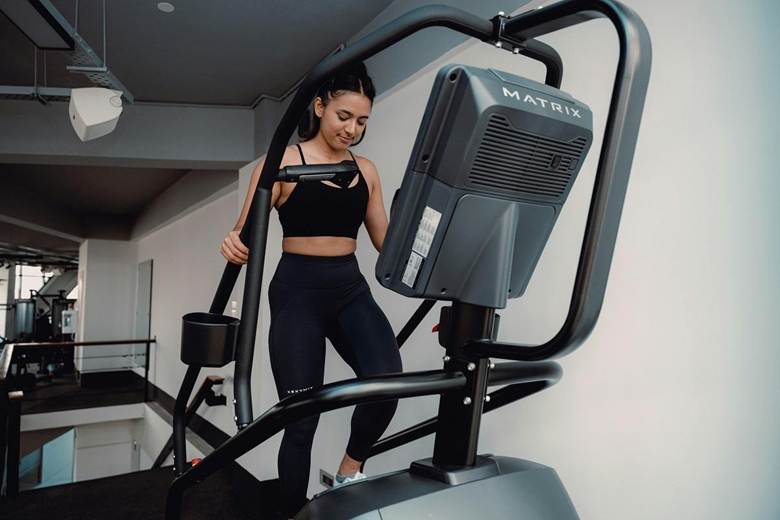
Here’s where a lot of wellness room projects go sideways: someone buys a $3,500 piece of equipment before they know whether they’ll actually use it. Equipment rental programs have grown significantly as a category precisely because of this problem.
Cardio Machines
Treadmills, bikes, and rowers are ideal rental candidates, especially if you’re still figuring out which modality you prefer. The same Mordor Intelligence report notes that the hybrid fitness model is now fully entrenched, meaning most people are splitting time between home workouts and gym or studio sessions. If you’re going to the gym three days a week and coming home for recovery and mobility work, do you actually need a $2,200 treadmill at home? Renting one for a few months to test your actual usage patterns before committing to a purchase is a genuinely smart financial move.
Cold Plunge Tubs and Hydrotherapy Equipment
These are another strong rent-first category. The contrast bathing trend has become mainstream — Arch Amenities Group’s 2026 Wellness Environment Report specifically calls out thermal bathing as a shift from niche to widely understood wellness practice. That said, cold plunge tubs require space, plumbing access, and ongoing water maintenance. Renting one, or using a portable ice bath setup temporarily, lets you discover whether cold exposure is something you’re actually going to stick with before you commit to a permanent installation.
Light Therapy Panels and Devices
Unless you’re already certain about your protocol, light therapy panels and devices also fall into the rent-test category. Red light therapy is genuinely one of the better-supported modalities in home wellness, but the difference in quality between a $200 panel and a $1,500 full-body unit is significant. Renting or borrowing a high-end unit before deciding which tier makes sense for your goals saves you from an expensive downgrade (or a regretted upgrade).
The Bridge Between Equipment and Architecture
Here’s something the equipment-focused conversation often misses: the room itself matters as much as what’s in it. A wellness room built with intention — sound insulation, natural materials, appropriate ventilation, ambient lighting controls — amplifies the value of every piece of gear inside it. A sauna in a poorly ventilated room, a meditation corner with street noise bleeding through the walls, a recovery space with harsh overhead fluorescents — these are all ways good equipment gets undermined by bad environments.
If you’re at the stage where you’re deciding whether a dedicated wellness room addition makes sense versus reconfiguring an existing bathroom or flex space, it’s worth diving into the deeper financial and design analysis. This comparison of high-end wellness room additions vs. regular bathroom remodels breaks down the cost structures, ROI considerations, and design priorities in a way that genuinely reframes how to think about the investment. Equipment choices look very different depending on whether you’re working with a purpose-built room or retrofitting an existing space.
What to Skip (For Now): The Overhyped Tier
Every wellness trend cycle produces a tier of equipment that’s genuinely interesting but not yet practical or proven enough for most home setups. Right now, that tier includes:
Full Biometric Diagnostic Systems
While compelling in clinical or high-end spa settings, full biometric diagnostic systems prohibitively expensive and maintenance-heavy for home use. The design and functionality of wellness environments is increasingly shifting toward intelligent, multi-modality systems, as noted by Destination Deluxe’s 2026 Wellness Trends — but “what spas are doing” and “what makes sense for your home” are two different conversations.
PEMF Mats
Unless you have a specific therapeutic need and medical guidance, PEMF mats are worth watching but not worth buying at flagship prices. The technology is real; the consumer-grade implementation is still catching up.
Cryotherapy Chambers
Unless you have the budget of a professional sports team and the square footage to match, a cold plunge does 90% of the same work at a fraction of the cost and complexity.
Overcomplicated Smart Equipment Ecosystems
There’s a meaningful difference between a connected device that enhances your workout (useful) and a device that requires a monthly subscription, a dedicated app, a firmware update every six weeks, and breaks down the moment the company pivots its business model (skip). Choose smart equipment with a proven track record and an open ecosystem where possible.
Building a Checklist That Actually Fits Your Life
The wellness room equipment decision ultimately comes down to three questions: How often will I realistically use this? Does it require a specific room environment to work properly? And what happens to my investment if my routines shift in a year?
The $11.84 billion home fitness equipment market will happily sell you gear for every conceivable scenario. Your job is to be ruthlessly honest about your actual habits. The buy column should be filled with things that are cheap to store, durable, low-tech, and used daily — or expensive, fixed installations with clear long-term ROI like a properly installed sauna. The rent column is for high-cost, high-maintenance items you need to test. And the skip column exists to protect your budget for the things that will genuinely change your daily routine.
A wellness room done right isn’t about owning the most equipment. It’s about owning the right equipment — placed inside a room designed to make using it the easiest, most restorative part of your day.