
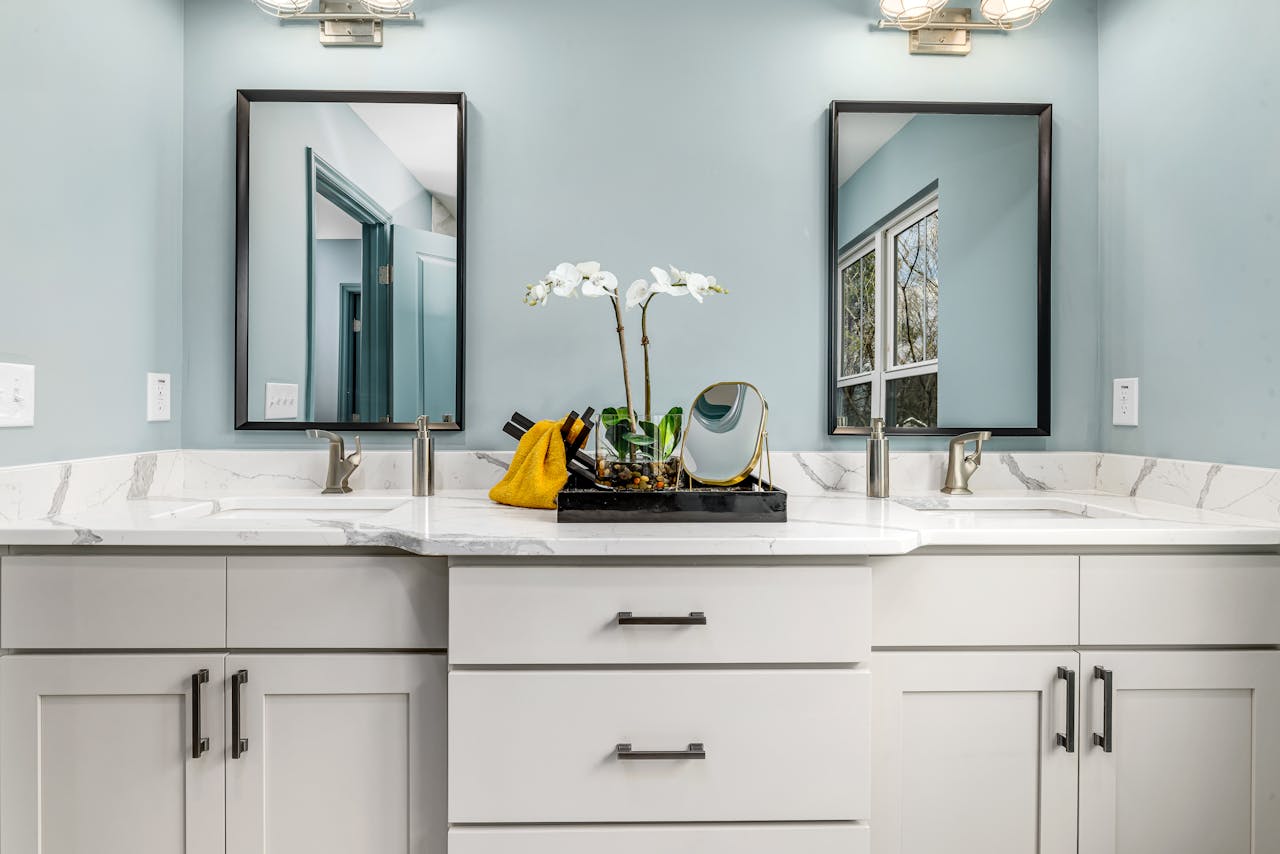
A sink plays a bigger role in a home than many people realize. It supports daily habits, improves comfort, and adds style to kitchens and bathrooms. When chosen and installed correctly, it blends function with design and serves the household for many years without trouble.
Careful preparation and help from a professional sink installation service allow the process to move forward with ease. Many small details affect the final result, from layout to materials and plumbing needs. This article explains the most important points homeowners should review before moving forward with a sink project.
Sink Should Match the Room Layout
Every room has different needs, and the sink should match those needs perfectly. A kitchen usually requires a deeper basin for daily cleaning, while a bathroom sink usually focuses on size and appearance. The layout of the room also affects which sink style will work best.
Drop-in sinks suit many counters and allow simple access. Undermount designs create a smooth surface that feels clean and modern. Vessel sinks add a bold look, while wall-mounted units save space in smaller rooms. A professional can guide this choice based on room size, counter type, and daily use.
Select a Material to Suit Daily Use
The material of a sink affects both appearance and long-term performance. Some surfaces handle heavy use well, while others offer a softer and more classic look. The right material supports both lifestyle and maintenance preferences.
Stainless steel resists heat and stains, making it popular in kitchens. Porcelain offers a clean and timeless finish, especially in bathrooms. Stone and composite options provide strength and a premium feel. Each option requires specific care, so it is important to select one that matches how the space is used every day.
Prepare the Water and Drain Connections
A sink relies on proper plumbing to function without issues. Before installation, pipes, drains, and water lines need careful inspection. Any misalignment can lead to leaks, slow drainage, or water pressure problems later.
Professionals check existing connections and confirm they meet current codes. They may suggest updates to improve performance or safety. This step protects the home and ensures the sink works as expected from the first day. A strong plumbing setup also reduces the risk of future repairs.
Ensure Right Fit Within Cabinets and Counters
Accurate measurements are essential for a smooth installation. A sink must fit the counter opening, cabinet base, and faucet placement. Even a small error can cause delays or require changes to surrounding surfaces.
Important checks include:
- Counter opening size and shape.
- Cabinet depth and interior clearance.
- Faucet reach and mounting position.
- Drain alignment with existing pipes.
These details allow the sink to sit securely and look clean once installed. Proper sizing also protects cabinets from moisture and strain over time.
Maintenance Tips and Continued Professional Help
After installation, care habits help maintain the sink’s appearance and performance. Each material responds best to certain cleaning methods and products. A professional explains how to protect the surface and avoid damage.
Choosing a reliable sink installation service also provides peace of mind beyond the initial setup. If adjustments are needed or questions arise, expert support remains available. This professional approach helps homeowners feel confident and satisfied with the final result.
A sink installation requires thoughtful planning, technical knowledge, and expert handling. When homeowners understand their options and rely on professional support, the result feels seamless and lasting. With the right preparation, a new sink becomes a practical and stylish feature that enhances everyday life.