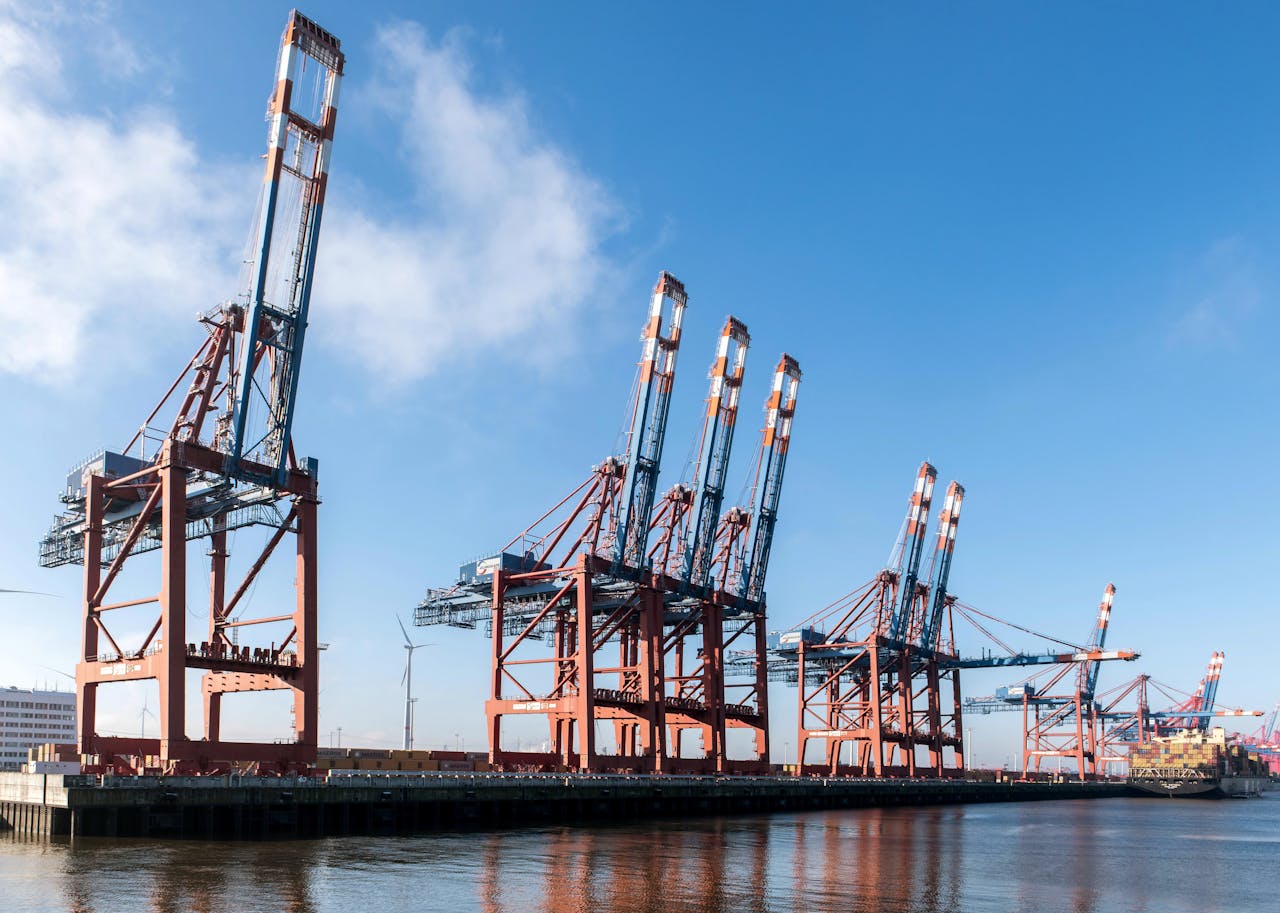
Harbours and ports deal with constant movement, pressure, and impact. Ships dock, shift, and rest against structures every day. This creates wear that can damage both vessels and harbour edges over time. Choosing the right material helps reduce that stress and keeps operations steady.
1. Strong resistance to heavy impact
Harbour structures face repeated contact from vessels of different sizes. Ekki fenders for harbours are often used where strong impact resistance is essential for daily operations. These fenders absorb force without cracking or breaking under pressure. Their very high density (typically around 1,000–1,100 kg/m³) helps absorb impact and protect both the vessel and the dock.
This strength becomes important during busy port activity. Sudden contact or minor misalignment can happen at any time. Ekki timber handles these situations with steady performance. It reduces the risk of surface damage and costly repairs.
2. Reliable performance in wet conditions
Water exposure is constant in marine environments, where structures face moisture throughout the day. Ekki timber performs well in consistently wet conditions and maintains its structural properties over time, thanks to its high density and natural durability.It does not weaken easily, which helps maintain its structure and strength over time. This makes it a suitable choice for harbours where regular water contact cannot be avoided.
Saltwater can affect many materials in harsh and lasting ways. Ekki timber offers very high durability in marine environments, particularly in splash zones and above the waterline. However, like most timbers, it is not resistant to marine borers and should be specified accordingly where prolonged submersion is expected. This helps extend the lifespan of harbour installations and reduces the need for frequent replacement.
3. Long service life in demanding environments
Durability is one of the main reasons for choosing this material. Ekki is classified as Durability Class 1 (EN 350), indicating very high resistance to decay, and Ekki fenders can deliver a long service life when correctly detailed and installed. Their natural density supports long-term use in high-pressure areas. This makes them a dependable choice for ports that see regular traffic.
Why long life matters
A longer service life reduces the need for frequent replacement. This helps lower maintenance efforts and keeps operations smooth. In busy ports, fewer disruptions mean better efficiency. It also allows teams to focus on daily tasks without constant repair work.
4. Low maintenance requirements
Maintenance can take time and resources in marine settings. Ekki timber requires relatively low maintenance, retaining its strength and integrity over time; however, periodic inspection is still recommended in marine environments. This makes it easier to manage in active harbour areas.
A few key advantages include the following:
- Strong resistance to wear and tear
- Stable structure in changing conditions
- Reduced frequency of maintenance interventions
- Consistent performance over time
These features help simplify long-term upkeep. They also support smoother day-to-day operations.
5. Suitable for a wide range of harbour uses
Ekki fenders work well across different parts of a harbour. They can be used along quay walls, docking areas, and loading zones. Their strength allows them to perform in both small ports and large commercial terminals. This flexibility makes them a practical option.
Ports often deal with varied vessel sizes and docking styles. Ekki timber performs consistently across varying loading and environmental conditions.It supports both regular and heavy-duty use. This wide application adds to its value in marine projects.
Ekki fenders for harbours offer a steady solution for ports that face constant pressure and movement. Their strength, durability, and low maintenance needs make them a reliable choice in marine environments. From impact resistance to long-term use, they perform well across different conditions. For many harbour setups, they remain a practical material that supports smooth and efficient operations.