
Key Takeaways:
- Audit before you spend — a professional energy audit with a blower door test gives you real data on where your home is losing heat, so budget goes to the right places first.
- Envelope upgrades (insulation, air sealing, windows) are the highest-ROI first step, capable of cutting lifecycle carbon impacts by over 23% while reducing mechanical system load.
- Right-sizing your HVAC depends on envelope work being done first — skipping this step means paying for a bigger system than you actually need.
- Strategic HVAC retrofits — heat pumps, VRF systems, heat recovery ventilation — can deliver 15–40% energy savings with 3–10 year payback periods when incentives are stacked.
- Save solar and smart systems for last; reducing consumption first means you’ll need a smaller (cheaper) renewable setup with a faster payback.
If you’re staring at a home that’s leaking energy — and money — from every seam, you already know something needs to change. But knowing where to start is a whole different problem. Should you gut the HVAC first? Rip out the windows? Add solar panels? The answer depends on your home, your climate, and your budget, but the data is getting pretty clear in 2026 about which upgrades deliver the biggest bang for your buck.
Let’s cut through the noise and talk about what the research actually shows — and how to prioritize your retrofit spending so you’re not leaving carbon savings on the table.
Why the Retrofit Market Is Booming Right Now

Before we get into tactics, here’s some context: the energy retrofit sector is exploding. According to Research Nester’s 2026 market analysis, the global energy retrofit systems industry is valued at approximately $225.95 billion in 2026, up from $211.84 billion in 2025 — part of a trajectory expected to reach over $432 billion by 2035.
That’s not a niche market anymore. That’s a structural shift in how the world thinks about existing buildings, and it tells you something important: the tools, the contractors, and the incentive programs to do this work right have never been more available.
But market size doesn’t tell you what to do with your weekend or your budget. For that, we need to look at where the energy losses are actually happening — and which retrofits have the strongest real-world track record.
Start With the Envelope: Insulation and Air Sealing First
Here’s the unsexy truth: before you drop $15,000 on a shiny new heat pump, you need to make sure your building envelope isn’t working against it.
The envelope — walls, roof, windows, floors, and the air barrier holding it all together — is responsible for a staggering share of residential energy loss. Buildings globally account for 34% of final energy use and 37% of energy-related CO₂ emissions, a reality driven largely by inadequate insulation and outdated construction practices. In other words, what’s happening at your walls and ceiling matters enormously before you ever touch a mechanical system.
The evidence from recent peer-reviewed research backs this up hard. A 2026 study published in Processes examining residential buildings in Central and Eastern Europe found that insulation thickness has a stronger influence on operational energy reduction than material choice, and that comprehensive envelope retrofits can deliver 23.6–26% lower climate change impacts over a building’s lifecycle. That’s a meaningful carbon reduction from what is often a relatively straightforward intervention.
What does envelope work look like in practice? Think air sealing around penetrations, adding blown-in insulation to attics and wall cavities, upgrading basement rim joists, and swapping out single-pane windows for double or triple glazing. These aren’t glamorous upgrades. They won’t earn you Instagram points. But they are consistently the highest-ROI first step in any retrofit sequence.
There’s also a multiplier effect here that’s easy to miss. When you properly insulate and tighten a home, you reduce the load on your mechanical systems — which means you can often size a new heat pump or air conditioner smaller (cheaper) than you would have needed to for the drafty original home. The envelope work pays you back twice: once in energy savings, and once in right-sized equipment costs.
This is also the moment to think carefully about what materials you’re using. Not all insulation products are created equal from a sustainability or performance standpoint. If you want to go deeper on selecting materials that hold up both thermally and environmentally, this guide to the best sustainable materials for home renovation in 2026 is worth bookmarking — it covers everything from mineral wool to bio-based alternatives and how to match them to your climate and budget.
HVAC: The Second Big Lever (But Only After the Envelope)
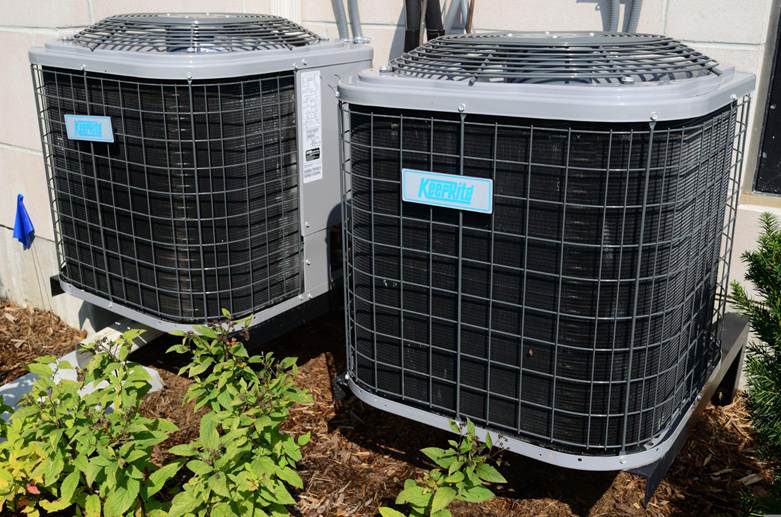
Once your envelope is addressed, the HVAC system becomes the next major target — and in 2026, the data on heat pump retrofits is compelling.
A January 2026 technical guide from Budget Heating and Air Conditioning, drawing on real field installation data, found that a thorough energy audit combined with strategic upgrades — including heat pumps, variable refrigerant flow systems, and heat recovery ventilation — typically delivers 15 to 40 percent in HVAC energy savings, with simple payback periods of 3 to 10 years when available incentives are applied. That’s a wide range, but the lower end of that payback window is genuinely competitive with other household investments.
The key phrase there is “when incentives are applied.” In 2026, the incentive landscape for heat pumps — while slightly shifted from prior years — still offers meaningful stacking opportunities at the state and utility level. Programs like those offered by SMUD in California include rebates of up to $4,000 for heat pump water heater conversions and up to $3,000 for heat pump HVAC retrofits as of early 2026. Multiply that across federal credits (where still applicable), state programs, and utility rebates, and the upfront cost barrier looks a lot more manageable.
The specific upgrade path matters here. If you’re replacing a system that’s older than 10 years, moving from a legacy 10 SEER unit to a modern 16 SEER2 system in a typical 2,000 square foot home can cut cooling energy use by roughly 20 to 35 percent, translating to around $200 to $450 in annual savings at average electricity rates. Move up to a 22 SEER2 variable-speed unit and you can push those savings higher — though the returns do diminish as you climb the efficiency ladder.
Heat pump water heaters are another underrated move. They operate similarly to heat pumps for space conditioning, pulling ambient heat out of the air to heat water rather than generating heat through resistance. They’re often one of the fastest-payback upgrades in an electrification sequence, especially if you’re replacing an older electric resistance water heater.
The Sequencing Logic: Why Order Matters
One of the most common retrofit mistakes is jumping straight to the flashy equipment upgrades — solar panels, EV chargers, smart home systems — before addressing the fundamentals. The correct sequence, backed by both engineering logic and the data above, looks something like this:
1. Audit First
Get a professional energy audit with a blower door test. You need actual data on where your home is losing heat before you can prioritize intelligently.
2. Envelope Next
Air sealing and insulation improvements should precede any mechanical upgrades. They reduce loads, save money immediately, and improve comfort in ways that equipment upgrades alone cannot.
3. HVAC Third
Once you know what load you’re actually working with post-envelope, you can right-size a new heat pump or heat pump water heater. This is where the biggest operating cost reductions typically live.
4. Renewables and Smart Systems Last
Solar and battery storage make the most sense after you’ve reduced consumption through the steps above. You’ll need a smaller system, which means lower upfront costs and faster payback.
This sequence also tends to be how incentive programs are structured — many rebate programs for deeper retrofits require a pre-retrofit assessment, which naturally pushes you toward the audit-first logic.
Don’t Underestimate the Carbon Math
It’s easy to frame retrofit decisions purely in dollar terms — monthly savings, payback periods, resale value — but the carbon math deserves its own column in your decision spreadsheet.
Buildings are among the largest sources of greenhouse gas emissions in most developed countries, and the bulk of that footprint comes from energy use in existing stock, not new construction. Retrofitting residential and commercial buildings with improved insulation systems can reduce lifecycle-associated emissions by 10 to 15 percent, while thermal improvements can save roughly 7 to 20 percent on annual utility costs. Do both envelope and HVAC upgrades together, and you’re stacking those reductions.
For homeowners who care about carbon impact alongside cost, the envelope-first, HVAC-second framework isn’t just financially smart — it’s also where the emissions reductions are most durable. A well-insulated building will outperform its uninsulated neighbor regardless of what the grid is doing, what fuel prices are, or what policy environment exists a decade from now.
The Bottom Line
Retrofit budgets are finite, and the temptation to spread spending across every possible upgrade is real. But the 2026 data is pointing in a clear direction: start with the building shell, then address your biggest mechanical loads, and let the audit tell you where you actually stand.
The good news is that both interventions — envelope work and HVAC upgrades — are now supported by better contractor networks, more mature incentive programs, and more performance data than ever before. You don’t have to guess whether this stuff works. The evidence is there. The question is just sequencing your budget to capture it.