
Ask ten homeowners what makes a good house and you’ll hear about granite counters and open-concept kitchens. But the homes that stay comfortable year after year usually aren’t the fanciest ones. They’re the ones where somebody actually paid attention. A few basics, looked after consistently, do most of the heavy lifting.
Heating, Cooling and the Air You Breathe
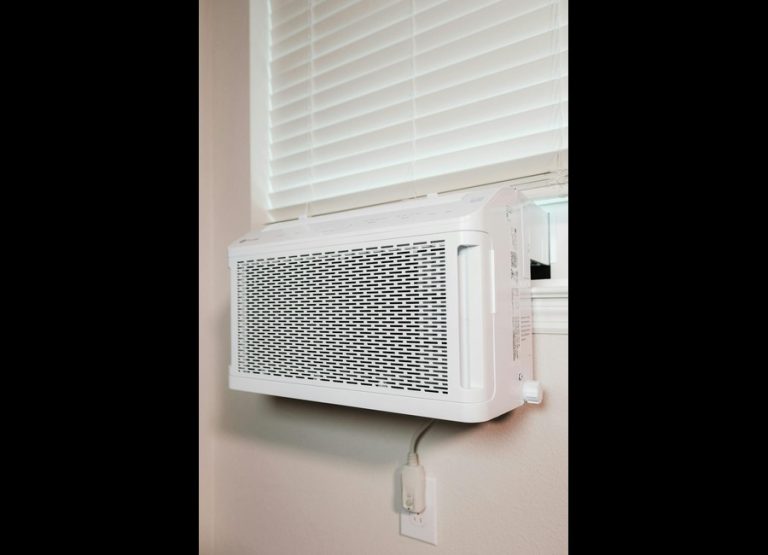
In Toronto, your furnace and A/C genuinely earn their keep. Winters are brutal, and July can feel like living inside a damp towel. When these systems run well, you barely notice them. When they don’t, you notice everything.
The easy wins are boring, but they work. Swap the furnace filter every one to three months — closer to monthly if you’ve got a dog or cat that sheds like it’s their full-time job. Get the furnace checked in the fall and the air conditioner in the spring. And if a room’s always colder than the rest, the system starts making new noises, or your hydro bill creeps up for no clear reason, don’t shrug it off. Having a local company like King Air look at your equipment or arranging a Seresco service in Ontario before something fails in January is a lot cheaper than an emergency call at 2 a.m.
The Shell Around Everything
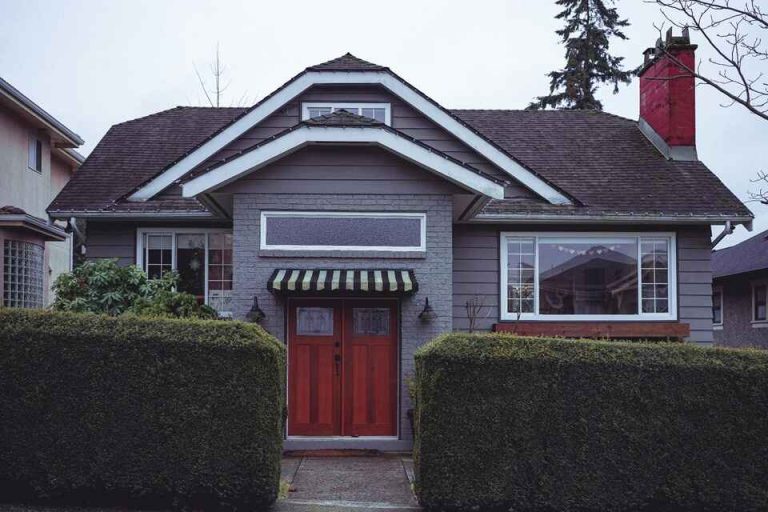
Roof, foundation, windows, doors, insulation — this is what keeps the weather out, and water’s the real enemy here. A small leak that goes unnoticed for a season can turn into a genuinely big repair bill.
Walk around your place in spring and again in fall. Check the roof, make sure the eavestroughs aren’t clogged, and feel for drafts near windows and doors. If you spot a damp patch, catch a musty smell in the basement, or notice a thin crack in the foundation, deal with it early. Those things rarely fix themselves.
The Stuff Behind the Walls
Plumbing and electrical are easy to forget simply because you can’t see them. Make sure you actually know where your main water shutoff is and which breaker panel runs what. Test your smoke and carbon monoxide detectors once a month, and replace them when the manufacturer says to, not whenever you finally get around to it.
Flickering lights, breakers that keep tripping, or a drain that’s getting slower — all of that deserves a call to a licensed pro. Guessing your way through electrical work is a genuinely bad idea.
Space That Fits How You Live
A house can be mechanically perfect and still be annoying to actually live in. Think about where the winter boots go, whether there’s room for seasonal stuff, and whether anyone working from home has a spot that isn’t the kitchen table. Clear walkways matter too, both for safety and for sanity. Clearing out clutter once or twice a year makes cleaning and maintenance noticeably easier.
Thinking Ahead About a Move
Sooner or later, most people move. A well-kept home sells more easily, and a decluttered one packs a lot faster. If you’re leaving the GTA for another province, or coming here from far away, it’s worth looking into Toronto long-distance movers early. Get a few quotes, ask what the insurance actually covers, and book well ahead if you can — summer and the end of the month fill up fast.
For the Workshop, Garage or Warehouse Crowd
Some people run a small business from their property or manage a bigger site with equipment to match. If you use forklifts, fuel supply becomes part of the routine. Buying forklift propane in Toronto from a reputable supplier gets you consistent, safe fuel. Whatever you do, keep cylinders upright, store them somewhere well ventilated and away from anything that can spark, and follow your local safety rules.
A Quick Seasonal Checklist
Spring: Check the roof and gutters, service the A/C, look for winter damage.
Summer: Seal exterior cracks, clean the dryer vent, inspect the deck and fence.
Fall: Get the furnace tuned up, clear the gutters, shut off outdoor taps.
Winter: Test your detectors, watch for drafts and ice dams, change filters.
The Short Version
Most home trouble starts small and gets expensive because nobody noticed it in time. Stay on top of the air, the structure, the utilities and the clutter, have a plan for when life changes, and lean on good local help when you actually need it. That’s really all there is to it.