Old oak boards have spent decades, sometimes centuries, as beams, barn floors or factory decking before they reach a living room. That history shapes how the wood looks, how it behaves and what it asks of the person who installs it.
Why old oak looks different from new boards
Oak that grew slowly in dense, old forests has tight growth rings and a stable structure. Timber cut from those trees a century ago was often denser than much of what is harvested today, which is one reason salvaged boards tend to stay flat and resist wear well. Years of seasoning have also removed most of the moisture that makes new wood twist or shrink after installation.
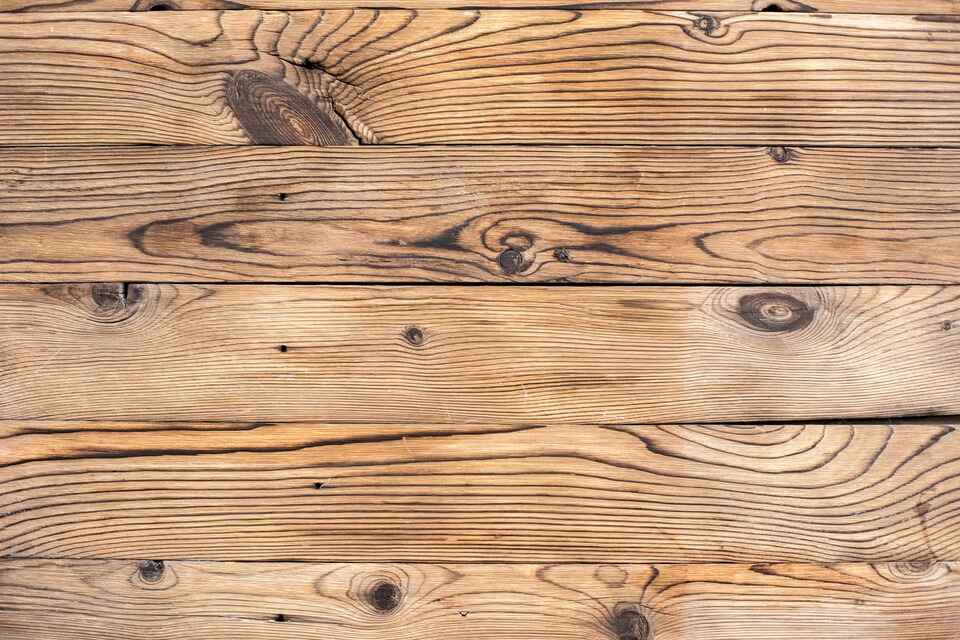
The surface tells a story too. Nail holes, saw marks and dark stains from iron fixings are not defects to be sanded away but evidence of earlier use. Reclaimed oak flooring offers this kind of texture in a form that can be laid in a modern home, whether the boards come from a Dutch warehouse, a French farmhouse or a former mill. Colours range from honey to deep brown, so no two floors are ever the same.
What to check before you buy
Not every old board is suitable for a floor. Reputable suppliers remove all nails, dry the wood to a stable moisture level and machine it into tongue-and-groove planks. Boards that still carry traces of old glue, paint or rot need extra attention during sorting. Ask where the timber came from and how it was processed, because that determines both quality and authenticity. Some products sold as “reclaimed look” are simply new wood treated to appear aged.
A few practical points are worth confirming with any supplier:
- The moisture content, ideally between 8 and 12 percent for indoor use
- The thickness of the wear layer above the tongue and groove
- Whether the wood has been checked for old pest damage or chemical treatments
- Whether the boards are suitable for use with underfloor heating
Companies that specialise in salvaged timber, such as Historisch Hout, usually document the origin of their stock and can explain how each batch was prepared. That transparency makes it easier to compare options and avoid surprises after installation.
Living with a reclaimed floor
Oak is hard, but it is not indestructible. Scratches will appear, particularly in busy hallways, and on a reclaimed floor they blend into the existing character rather than standing out. Felt pads under furniture and a doormat at the entrance prevent most of the damage, and a rug under a desk chair protects the spot that sees the most movement.
A hardwax oil finish suits this kind of wood well. It soaks into the fibres instead of forming a film on top, so worn areas can be re-oiled locally without sanding the whole room. Clean the floor with a slightly damp mop and a pH-neutral soap, and avoid steam cleaners, which push moisture into the joints between the boards.
A reclaimed oak floor rewards buyers who value patina over perfection. Well-prepared boards, a check of the technical details and regular maintenance of the finish give a floor that can last for generations, just as the original timber already has.